Buraydah sits in Al-Qassim - the region that many Saudis consider the home of authentic Najdi cooking. The food here is heavier and more meat-forward than coastal Saudi cuisine: slow-cooked grains, whole lamb on the bone, communal platters, and fresh dates at every meal. Eating well in Buraydah means following the Saudi population rather than looking for a restaurant with English-language signage.
Traditional Najdi Restaurants
Najdi Heritage Restaurant (Matam Al-Turath Al-Najdi) The most visitor-friendly traditional Saudi restaurant in Buraydah, decorated with Najdi cultural artefacts - old coffee pots, weavings, saddles - and serving food in traditional floor-seating arrangements (though table seating is also available). The menu focuses on kabsa (lamb and rice), jareesh, harees, and margoog. A full meal for two with bread, dates, and qahwa (Arabic coffee) costs approximately SAR 120–180 as of 2026. Located in the central district - ask at your hotel for directions as the address is not always precise on mapping apps.
Al-Wadi Restaurant A larger, busier local restaurant popular with Saudi families. The portions are generous: kabsa platters are designed for three to four people and cost approximately SAR 80–130 as of 2026. The lamb mandi (slow-cooked whole lamb with yellow rice, cooked in a clay oven) is only available in quantity - minimum order for one whole lamb is approximately SAR 250 as of 2026, serving six to eight people. For smaller groups, the standard kabsa serves equally well.
Tasali Restaurant A mid-range Saudi restaurant near the commercial centre with air-conditioned family seating and a wider menu than the strictly traditional places. Alongside kabsa and jareesh, the menu includes grilled chicken (dajaj mashwi), shawarma, and some lighter options. Main courses SAR 40–75 as of 2026. Good option for mixed groups with different preferences.
Kabsa Specialists
Buraydah has several small, unassuming kabsa houses that serve nothing but kabsa and mandi, typically from around noon until supplies run out. These are the places Saudi workers eat at midday - plastic tables, one menu item, extremely fast service, and extremely good food.
Matam Al-Kabsa Al-Qassimi - a basic walk-in on the secondary roads near the souq. Lamb kabsa on a large shared tray, bread, salad, yoghurt. SAR 35–50 per person as of 2026. No English menu; point at what others are eating if needed.
Al-Khair Kabsa - another reliable version of the same formula, slightly larger with a more organised family section. Open from noon until evening prayer. Consistent quality and extremely popular with Saudi men on lunch break.
Fresh Dates - Buying Direct
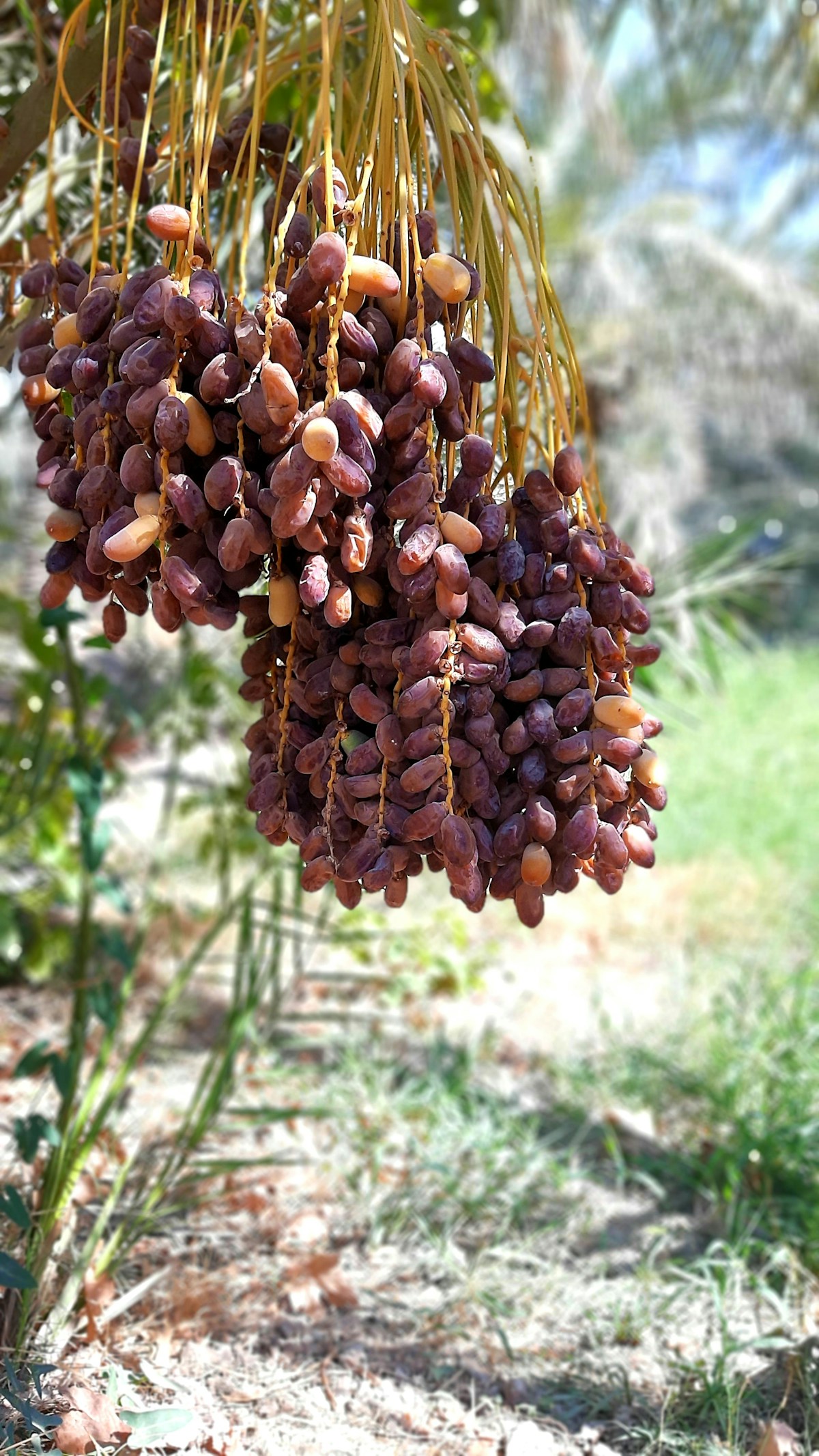
During Date Festival season (August) and throughout the year, buying dates directly from the market on the city’s eastern edge is an essential Buraydah experience. Fresh Sukkari dates - the Al-Qassim speciality - are sold loose by the kilogram for approximately SAR 20–45 depending on size and quality as of 2026. This is dramatically cheaper than buying packaged dates in Riyadh or Jeddah. Vacuum-packed gift boxes are available from vendors near the market entrance for taking dates home.
International and Fast Casual
The main commercial strip has the standard Saudi chain restaurants - McDonald’s, Kudu (the Saudi fast food brand), Herfy, and international pizza chains. Lebanese restaurants serve grills and mezze at moderate prices: a mixed grill for two approximately SAR 80–120 as of 2026.
Al-Sham Al-Kabeer - a Lebanese restaurant near the central commercial zone, consistent and good value. The hummus, mutabal (smoky aubergine dip), and mixed grill are reliable. SAR 70–110 for two as of 2026.
Book a Guided Food Tour of Buraydah
Al-Qassim Province is the heartland of Saudi Arabia’s date culture — and Buraydah’s Date Festival in August is the world’s largest date market, drawing buyers from across the Gulf. A guided food experience in Buraydah covers the date market, the traditional Al-Qassim kabsa restaurants that serve the most authentic Najdi cooking between Riyadh and Medina, and the jareesh and harees preparations that are harder to find anywhere else in the Kingdom.
To round out your visit, compare Tours in Buraydah for food and culture experiences, and pick up a Saudi eSIM so you can navigate local streets without burning mobile data. Browse hotels in Buraydah — central options keep you close to the date market and the traditional kabsa restaurants of the Al-Qassim heartland.
Practical Notes
Most local restaurants in Buraydah have separate sections for families and single men (a standard arrangement across Saudi Arabia). Family sections are typically larger and serve women and mixed groups. Point this out when entering if not directed automatically.
Restaurants close between the afternoon and evening prayers - roughly 15:00–17:30. The busiest dining periods are after Maghrib (sunset prayer) and after Isha (night prayer). During Ramadan, restaurants open only after iftar and close before Fajr.
Tipping is appreciated but not expected at local restaurants. At hotel restaurants, service charges are typically included.