
Food & Drink
Saudi Arabian Food: A Guide to Traditional Dishes and Regional Cuisine
From kabsa and mandi to jareesh and mutabbaq — a guide to traditional Saudi dishes, regional variations, and where to eat across the Kingdom.
Saudi Cuisine
Saudi Arabian cuisine is built around communal eating, slow-cooked meats, rice dishes, and flatbreads. Kabsa: spiced rice cooked with meat or chicken and topped with dried fruits and nuts: is the national dish, eaten at almost every celebration. Meals are typically shared from a central platter rather than served individually.
Food culture in Saudi Arabia has changed rapidly since Vision 2030 opened the country to international tourism and loosened restrictions on restaurants and entertainment. Riyadh and Jeddah now have sophisticated dining scenes alongside traditional restaurants. But the most interesting Saudi food remains the regional cooking: the Hijazi cuisine of the west coast, the Najdi dishes of the central plateau, and the Asiri mountain food of the south.
Each city guide includes a dedicated food page covering must-eat dishes, local specialities, and where to eat them.
Eight dishes that represent the depth and regional variety of Saudi cuisine, from family kitchens to street stalls to traditional restaurants.
The national dish of Saudi Arabia. Long-grain basmati rice cooked with meat (usually chicken, lamb, or camel) in a fragrant broth of spices including saffron, black lime, and cardamom, topped with dried fruits and roasted nuts. Eaten communally from a large shared platter. Found across every city and social occasion.
Crushed wheat cooked with meat and spices to a thick, porridge-like consistency. A Najd staple with roots in Bedouin cuisine. Slower to prepare than kabsa and considered a more traditional dish. Common at family gatherings and traditional restaurants in Riyadh and the central region.
A stuffed pancake or pastry filled with minced meat, eggs, and onion, folded and pan-fried. Originally Yemeni in origin, now a Saudi favourite, particularly at street stalls and traditional markets. Sweet versions filled with banana and sugar are common in Jeddah.
Deep-fried pastry triangles filled with spiced minced meat or cheese. Similar to samosas in form but with distinctly Gulf spicing (cumin, coriander, and black pepper). Eaten as a snack or starter, and particularly common during Ramadan as a fast-breaking food.
Slow-roasted meat (chicken or lamb) shaved from a rotating spit and served in flatbread. The Saudi version typically includes toum (garlic sauce), pickles, and tomato. Street shawarma stalls are everywhere, quality varies significantly and the best are identifiable by the queue.
Slow-cooked lamb or chicken stew with root vegetables (potato, carrot, tomato, onion) served over a thin flatbread that absorbs the broth. One of the most satisfying cold-weather dishes in the Saudi repertoire. Common in Riyadh and Al-Qassim region.
Wheat and meat porridge, cooked for hours until both are inseparable. The texture is smooth and dense. Particularly popular during Ramadan and Eid, when harees is made in large batches. Flavoured simply with salt, ghee, and sometimes cinnamon on top.
White rice cooked in a meat broth with milk until creamy and soft. A Hijaz speciality from the western region around Mecca and Jeddah. Often served with a side of roasted chicken. The milk gives it a distinctive richness that sets it apart from other Saudi rice dishes.
The most cosmopolitan food city in Saudi Arabia. Jeddah's Red Sea location means fresh seafood is central to the diet: grilled fish, shrimp, and crab at the Corniche restaurants. Al-Balad's historic district has traditional Hijazi food culture and some of the best mutabbaq stalls in the country.
Food guide to Jeddah →The widest variety of any Saudi city: hundreds of traditional kabsa restaurants alongside international dining. Riyadh is the best place to find authentic Najdi cuisine including jareesh and margoog. The Al-Nakheel and Hittin districts have the highest concentration of upscale dining options.
Food guide to Riyadh →Regional Asiri cuisine is distinct from the rest of Saudi Arabia: local honey (Asiri honey is nationally famous), mountain produce, and dishes not commonly found elsewhere. Abha's cool climate and traditional market scene make food exploration here a different experience from the major cities.
Food guide to Abha →In-depth guides to the cuisine, restaurants, and street food scene.
From kabsa and mandi to jareesh and mutabbaq — a guide to traditional Saudi dishes, regional variations, and where to eat across the Kingdom.
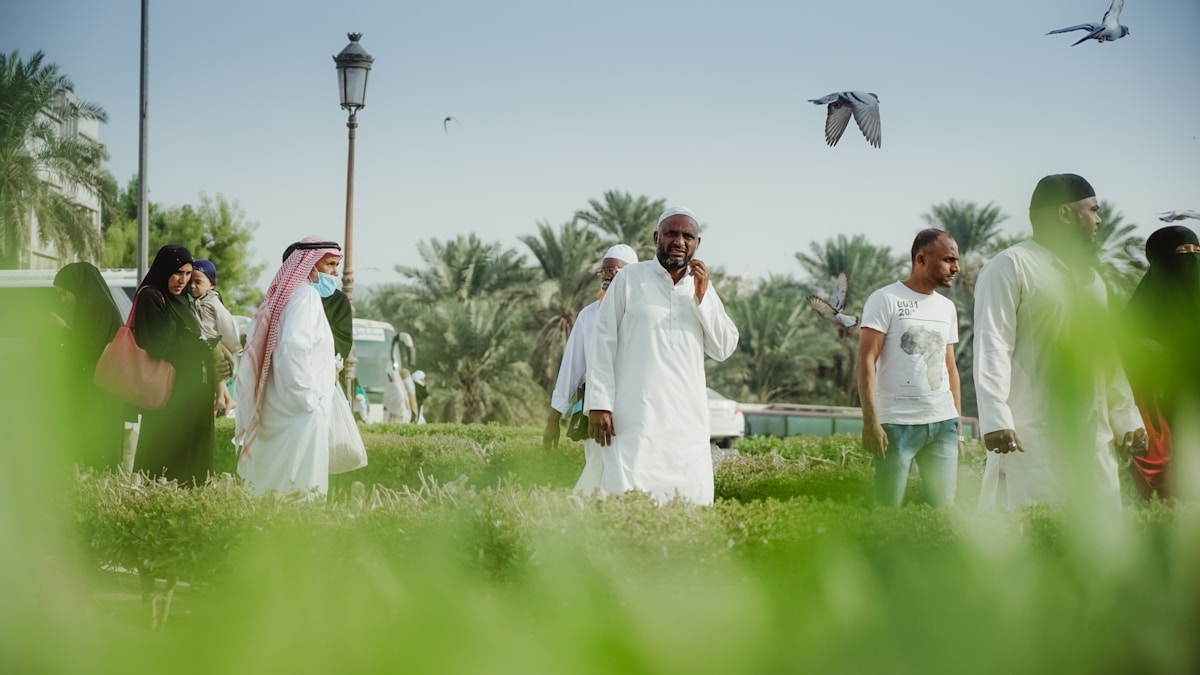
Asiri cuisine in Abha - mountain honey, slow-cooked lamb, sorghum flatbread, and how altitude shaped a distinct Saudi highland food tradition.

Best restaurants in Al Khobar - fresh Gulf seafood, Eastern Province machboos, shrimp dishes, and international dining shaped by the Saudi Aramco era.
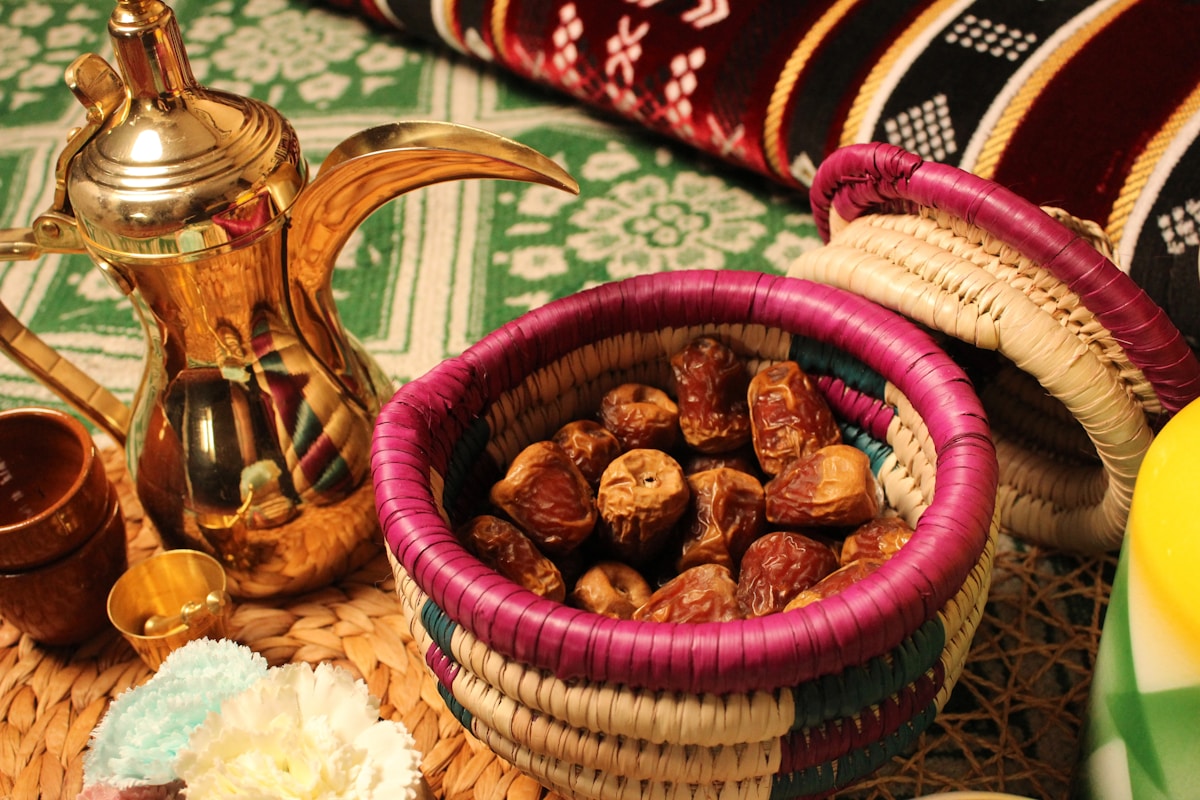
AlUla dining guide: traditional Hejazi dishes, world-class dates, Nabataean-era spice traditions, and the best local restaurants to visit.
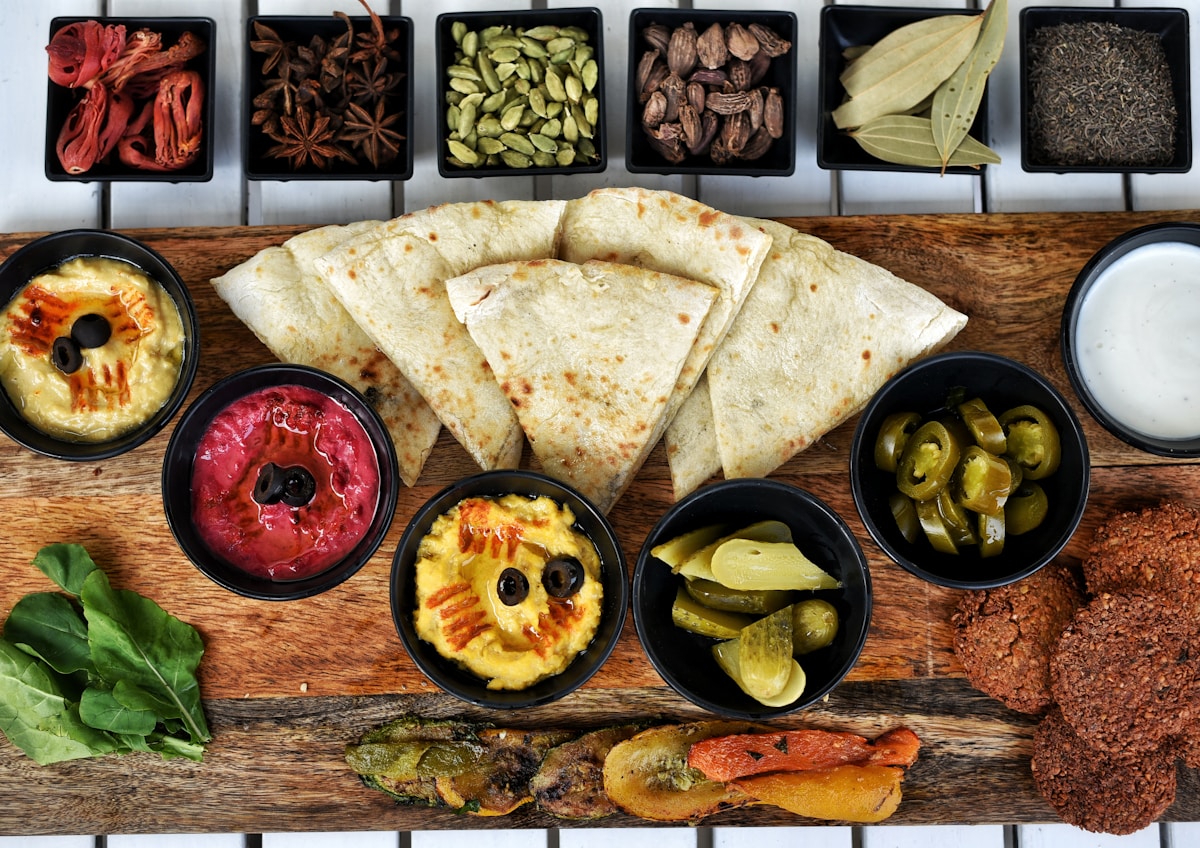
Eastern Province food in Dammam - machboos, Gulf seafood, Al-Ahsa dates, and a dining scene shaped by a century of the oil industry.
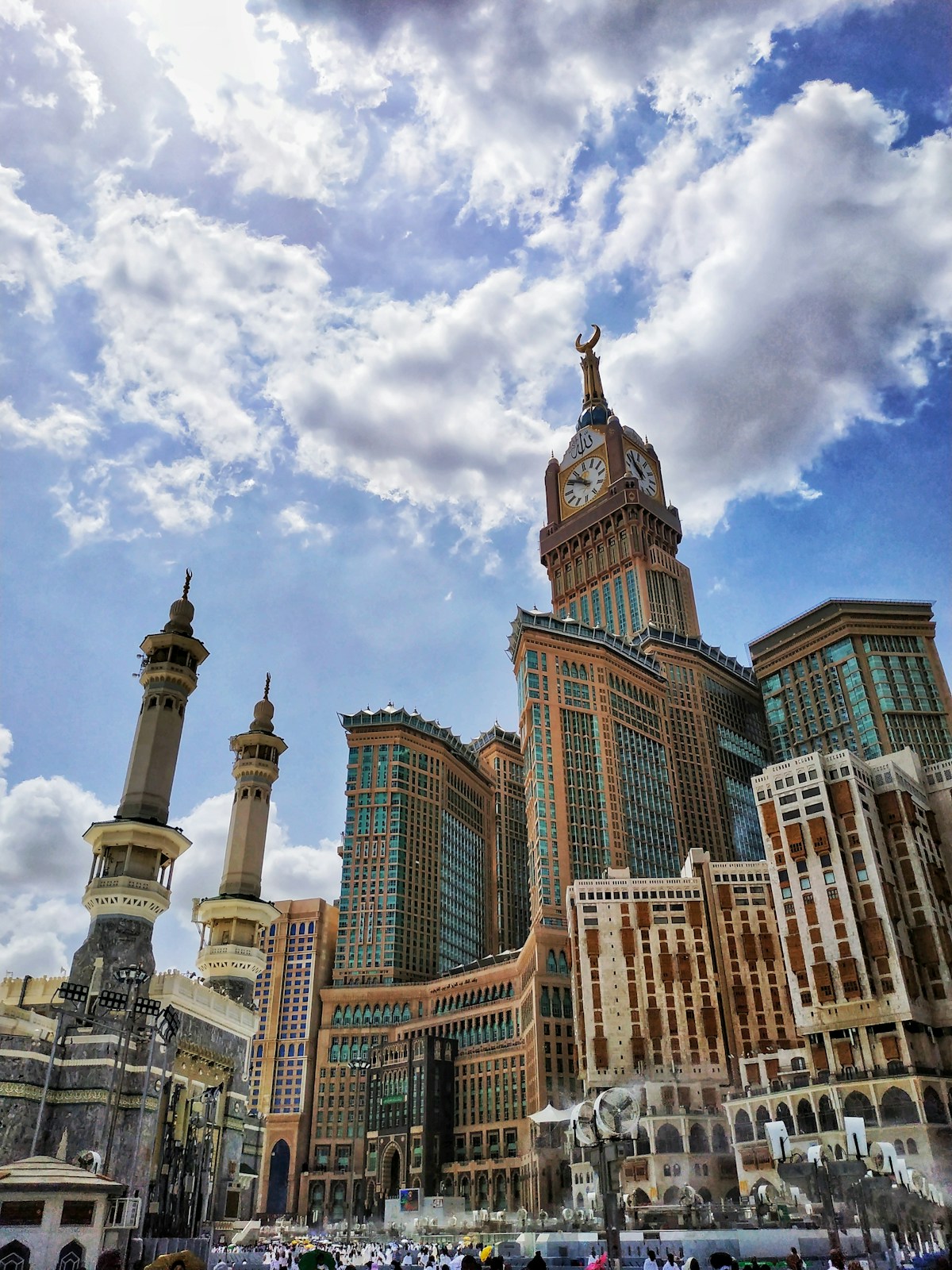
Hejazi food in Mecca - mutabbaq near Masjid al-Haram, kabsa restaurants, iftar spreads, and cuisine shaped by a millennium of pilgrimage.
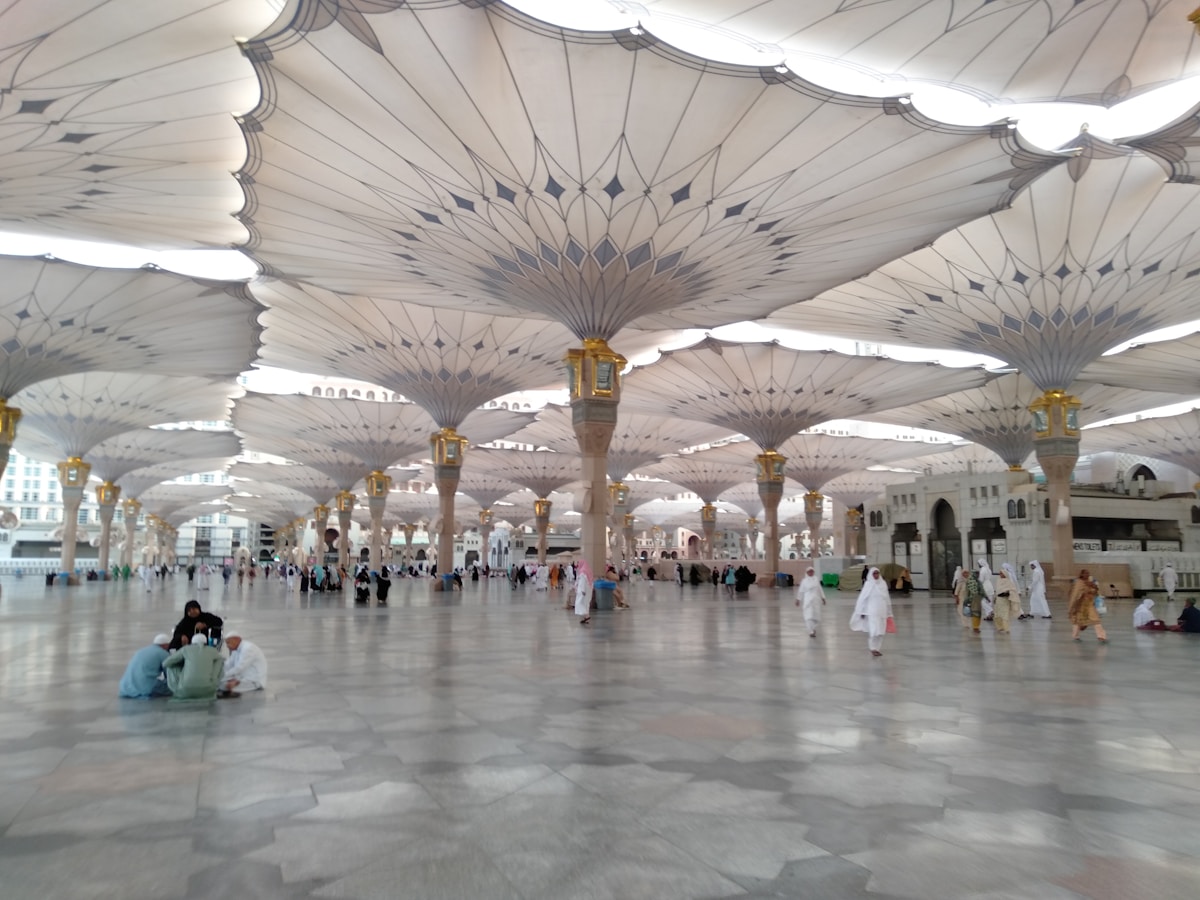
Eating in Medina: Al-Madinah saleeg, street food near Masjid al-Nabawi, Ajwa dates, and the best halal restaurants for pilgrims and visitors.
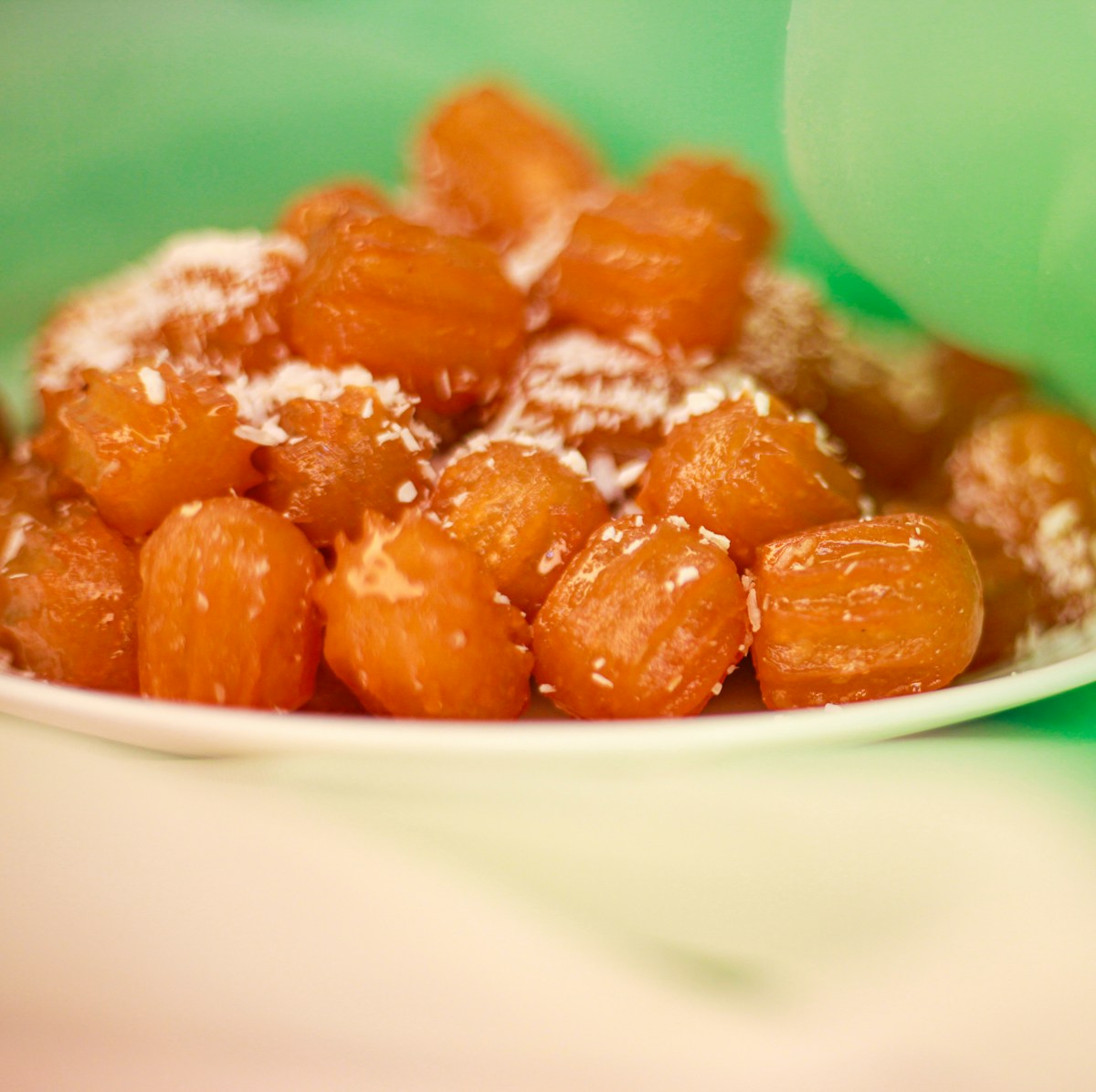
Food culture in Taif - pomegranates, highland honey, Hejazi lamb traditions, and the flavours of Saudi Arabia's City of Roses.
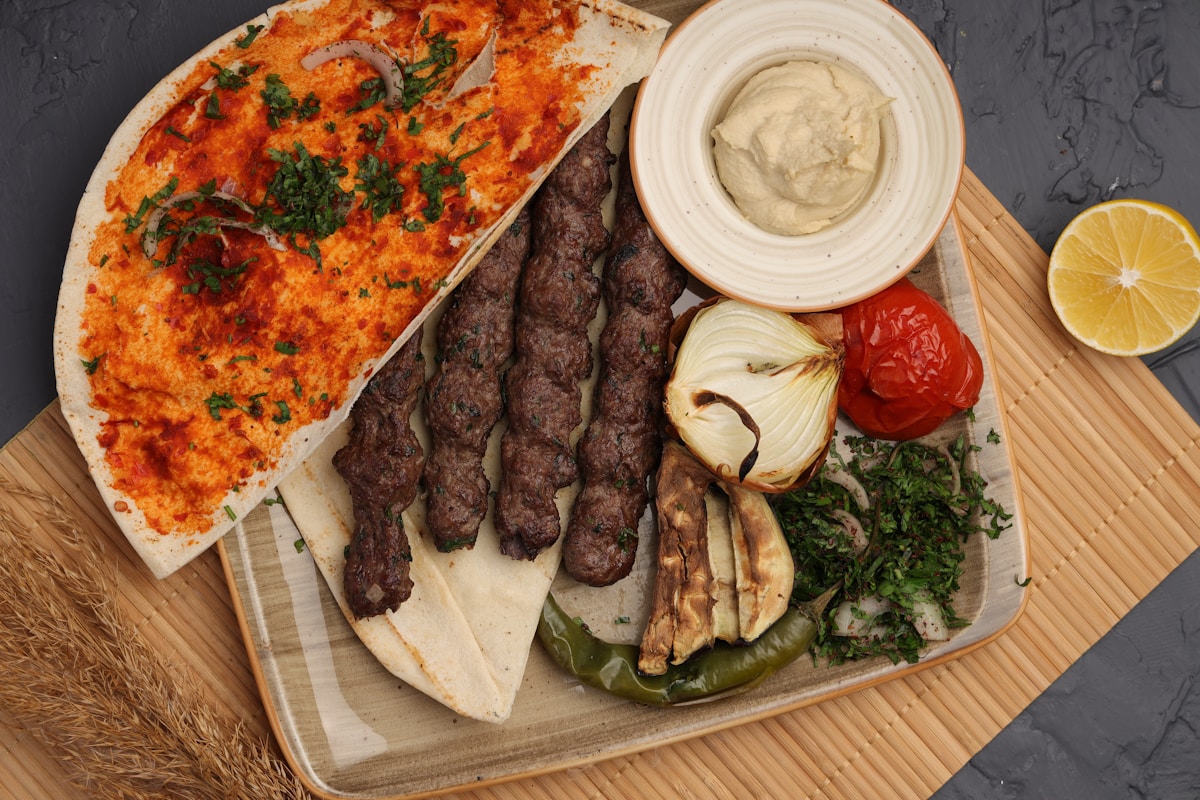
How desert survival over centuries shaped Najdi cuisine - kabsa origins, communal platter traditions, and the logic of Arabian interior cooking.
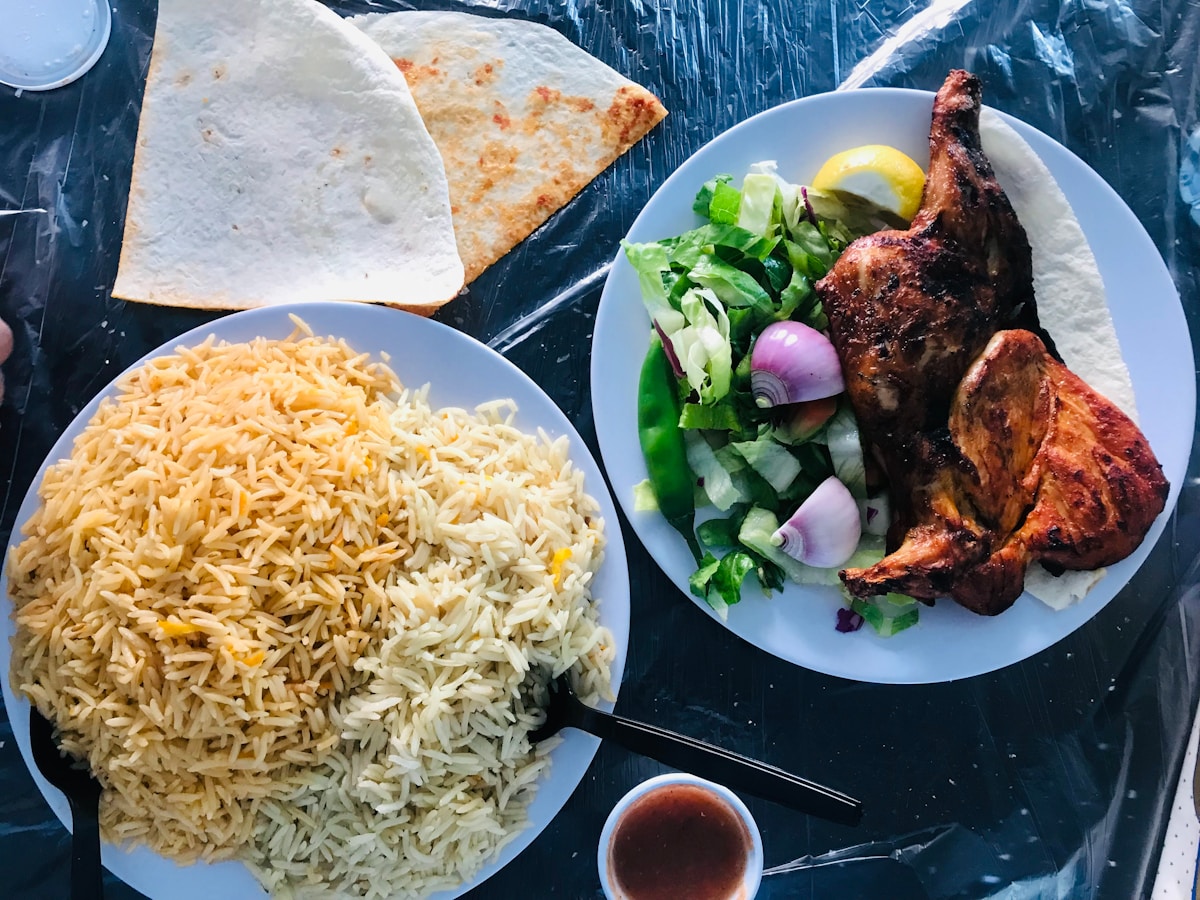
Hejazi cuisine shaped by a millennium of pilgrimage trade - how Jeddah absorbed East African, South Asian, and Red Sea food traditions.
Book an experience
Best price guaranteed · Instant confirmation · Free cancellation on most bookings
Book experiences in Saudi Arabia