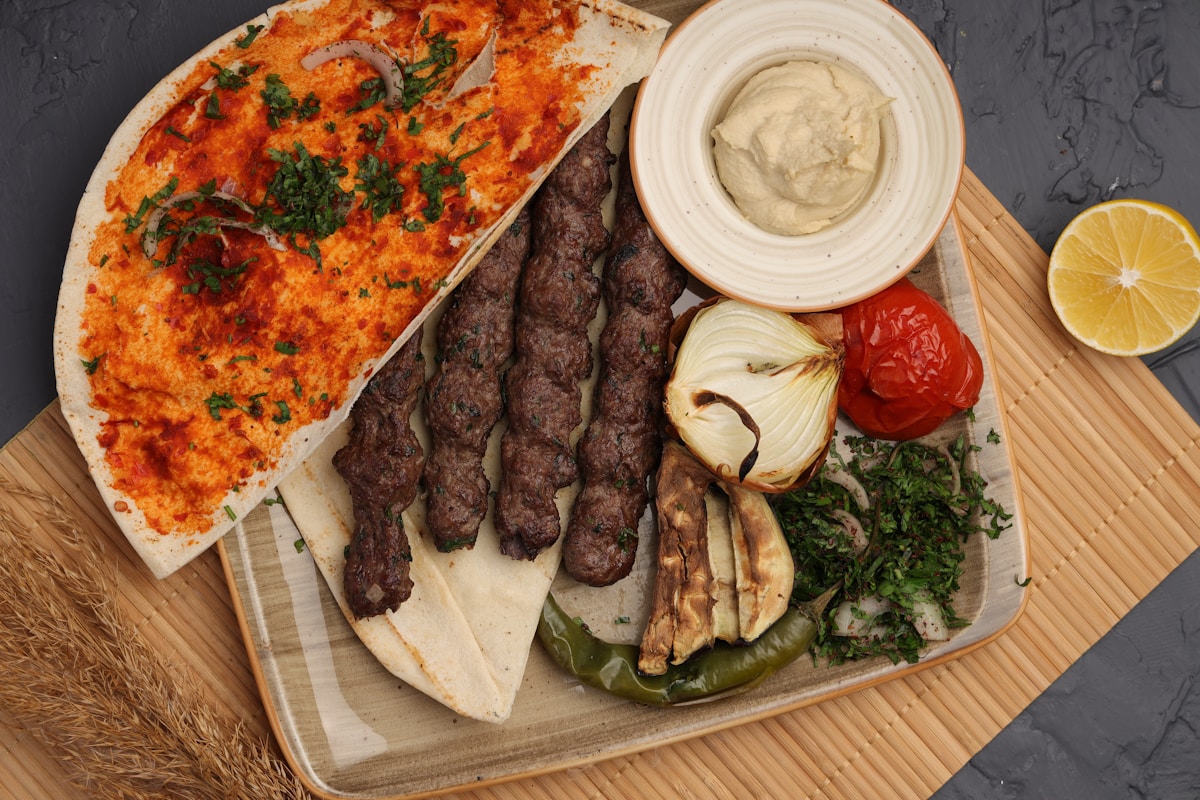
Riyadh sits in the heart of the Najd - the vast central plateau of the Arabian Peninsula, one of the most climatically extreme environments on earth. The food culture that developed here over centuries was shaped not by proximity to the sea or diversity of crops, but by the specific demands of desert survival: intense heat, scarce water, long-distance travel, and the social structure of the tribe. Najdi cuisine is the product of those constraints, and Riyadh remains its centre.
The Najd and Its Culinary Logic
The Najd plateau stretches across central Arabia - a landscape of gravel plains, rocky escarpments, and oasis settlements separated by vast distances. Historically, the communities that inhabited this region were either Bedouin pastoralists (who moved seasonally with their animals) or settled farmers in oases dependent on underground water. Both groups developed food traditions around the same core reality: large, dependable protein was scarce, water was precious, and preservation was essential.
Dates were the nutritional foundation. The date palm thrived in Najdi oases and produced a calorie-dense, shelf-stable food that could sustain travellers across hundreds of kilometres of desert. Date products - dried dates, date syrup (dibs), date vinegar - appear throughout Najdi cooking as sweeteners, preservatives, and flavour elements. Al-Ahsa oasis in the Eastern Province remains one of the world’s largest date-producing regions, but Riyadh’s trade networks brought central Najd dates to the city for centuries.
Kabsa: The Dish That Defines a Region
Kabsa is not simply a rice dish. It is the expression of Najdi food culture in its most complete form - slow-cooked meat over fragrant rice, served communally on a large platter, eaten by hand. Understanding kabsa means understanding how central Arabians cooked for centuries before the modern era.
The spice profile of kabsa - typically combining black lime (loomi), cinnamon, cloves, cardamom, and black pepper - reflects the ancient overland and maritime spice trade routes that crossed the Arabian Peninsula. Spices from India, East Africa, and the Persian Gulf passed through Arabian trade networks. Najdi merchants could access these spices despite living far inland, and they were integrated into cooking in ways that elevated simple ingredients.
The communal platter format carries deep social meaning. In Bedouin culture and in the settled towns of the Najd, the sharing of a meal from a single large dish is a statement of hospitality and equality - a tradition documented in Arabic literature for over a thousand years. Guests at the outer edge of the platter are serving themselves from the same food as the host at the centre. The meal is the tribe made visible.
Slow Cooking and Desert Conditions
Najdi cooking methods reflect the absence of abundant firewood across the desert interior. Slow, efficient cooking over low heat - using every part of the animal and extracting maximum flavour from limited fuel - characterised traditional Najdi kitchens. Harees, the ancient dish of wheat and meat cooked together for hours until they become a single dense mass, is one of the oldest Najdi foods and one of the most energy-efficient to produce.
Margoog - a slow-cooked lamb or chicken stew over thin flatbread - follows the same logic. The flatbread (raqaq) absorbs the cooking broth entirely, wasting nothing. The dish maximises caloric value from minimal ingredients.
Jareesh, crushed dried wheat cooked with meat and fermented milk, was originally a preserved food - wheat could be ground, dried, and stored through the summer months. It is one of the oldest Najdi dishes, predating rice culture in the region.
Rice: The Imported Staple
Rice is not native to Arabia. It arrived via Indian Ocean trade - primarily through the ports of the Persian Gulf coast - and became central to Najdi cooking because it absorbed flavour exceptionally well, stored longer than many alternatives, and cooked efficiently over low heat. The Najdi preference for long-grain rice cooked in rich meat broth is directly tied to the grain’s behaviour under desert cooking conditions.
Al Basmati rice, sourced from trade networks connecting the Gulf to South Asia, became the standard. The technique of layering cooked rice over the resting meat, covering the pot to allow the flavours to merge in residual heat, produces the texture and scent that defines kabsa - and it developed from practical cooking circumstances rather than culinary experimentation.
Ramadan and Feast Cooking
The rhythm of Najdi food culture is also shaped by the Islamic calendar. Ramadan transforms the cooking patterns of the city. Traditional dishes that are time-consuming to prepare - harees, jareesh, margoog - appear more commonly during Ramadan because the long daylight fast period allows extended cooking. Iftar, the breaking of fast, is traditionally the largest meal of the day and the social centre of Ramadan social life in Riyadh.
Eid celebrations require whole-animal preparation - roasted or slow-cooked lamb served to extended family and guests. The tradition of slaughtering an animal and distributing the meat to neighbours and those in need (sadaqah) shapes how Riyadh’s food culture relates to abundance: excess is shared, not hoarded.
Legacy in a Changing City
Riyadh’s Vision 2030 transformation has brought international restaurant culture to the capital at a remarkable pace. But the Najdi food tradition remains legible beneath the surface. The communal platter style persists in traditional restaurants. The kabsa houses in older districts continue to operate as they did for generations. The preference for lamb over other proteins, the date as default sweetener, the slow-cooked wheat dish for Ramadan - these are not nostalgia, they are the working food culture of a city that grew from the desert interior and has not forgotten why.
Take a Guided Food Tour of Riyadh
The historic Al-Bathaa and Dira districts concentrate Riyadh’s oldest food culture — spice souqs, working kabsa houses, fresh mutabbaq, and the communal platter tradition that shaped Najdi hospitality for centuries. A guided food tour cuts through the language barrier and takes you to the Al-Nakheel kabsa spots where no English menus exist and to the traditional sweet shops where luqaimat are fried fresh. For first-time visitors to Saudi cuisine, this is the most direct route to the genuine version of the food.
Browse Riyadh food and cultural tours on GetYourGuide or see the full Riyadh tour listing. Our Riyadh food tours guide covers named operators, formats, and prices in detail.
See Also
- Riyadh City Guide - full guide to the capital including accommodation and transport
- Things to Do in Riyadh - Diriyah, Masmak Fortress, and day trips
- Where to Stay in Riyadh - hotel recommendations by district
- Saudi Arabia Food Guide - national dishes and regional cuisine explained
- 3 Days in Riyadh Itinerary - day-by-day plan including meals
- Saudi Arabia dress code - what Ramadan means for restaurant visits
Plan Your Stay
Find hotels in Riyadh — search accommodation across all budgets in Riyadh.