Riyadh Travel Guide: Diriyah, Edge of the World & Safaris
Saudi Arabia's capital rewards visitors with UNESCO Diriyah, Edge of the World canyon, and desert safaris - and it's far more open than most expect.
Guides for Riyadh
Riyadh is Saudi Arabia’s capital and its largest city - a sprawling metropolis of more than seven million people built on a plateau in the heart of the Arabian Peninsula. It is also one of the fastest-changing cities in the Middle East. A decade ago it was largely closed to international tourists. Now, under Vision 2030, it has hotels, restaurants, museums, and entertainment venues that would rival any regional capital.
Getting Oriented
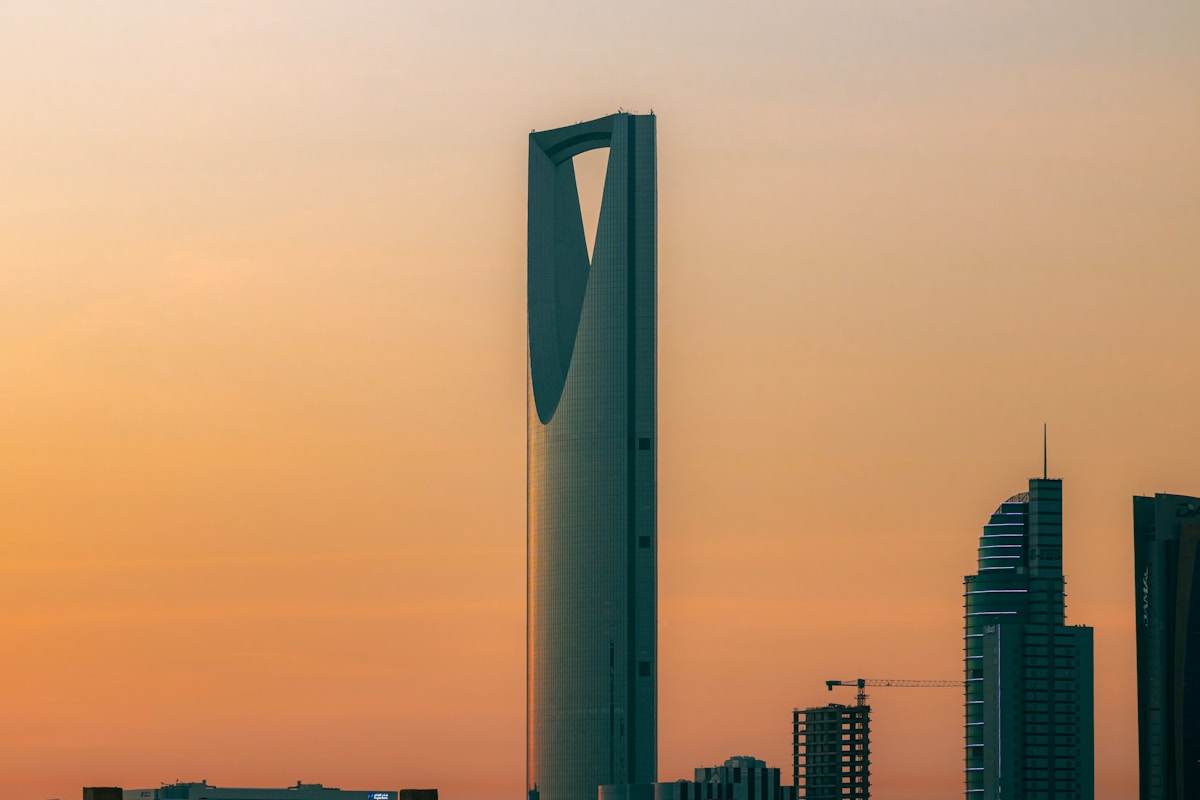
Riyadh occupies a broad plateau in the Najd region, about 600 metres above sea level. The city core runs along King Fahd Road, a major north-south highway flanked by towers, malls, and business districts. Kingdom Centre Tower - an iconic 302-metre skyscraper with a sky bridge - is the most recognisable landmark and a useful orientation point.
The historic district of Diriyah, birthplace of the Saudi state, sits 12 kilometres northwest of the city centre and is the most significant heritage site in the vicinity. The National Museum is in the cultural district near Al-Murabba Palace.
Top Things to Do in Riyadh
Kingdom Centre Tower dominates the skyline. The SkyBridge observation deck at the top offers panoramic views across the city. Below is one of the city’s main shopping malls. Entry to the Sky Bridge costs around SAR 69 as of 2026.
Masmak Fortress in the old city centre dates to the 1860s and was the site of the 1902 raid that began the unification of the modern Saudi state. The fortress is now a museum and one of the most historically significant sites in Riyadh. Entry is free.
National Museum of Saudi Arabia has eight galleries covering prehistoric Arabia through the Islamic period and the founding of the modern state. It is comprehensive, well-presented, and free to enter. Allow 2–3 hours.
Diriyah is the UNESCO-listed birthplace of Saudi Arabia, 12km from central Riyadh. The At-Turaif mud-brick district is the key heritage site. Diriyah is also a large cultural and hospitality development - restaurants, hotels, and events now operate alongside the historic ruins. The Edge of the World escarpment is a 90-minute drive from the city and worth the trip for the views alone.
Riyadh Season (October–February) is an annual entertainment and events festival that fills the city with concerts, exhibitions, and experiences. It is the most active period to be in Riyadh. For a complete breakdown of activities and day trips, see the things to do in Riyadh guide.
Where to Eat in Riyadh
Riyadh has the widest restaurant variety in Saudi Arabia. For traditional cuisine, the Al-Nakheel district has a concentration of kabsa restaurants - the long-grain rice and slow-cooked meat dish that is Saudi Arabia’s national food. Jareesh (crushed wheat with meat) and margoog (lamb stew over flatbread) are Najdi staples worth seeking out.
The Hittin neighbourhood has Riyadh’s highest concentration of upscale dining. Mall of Saudi Arabia and Kingdom Centre both have extensive dining floors with international options. For a more casual experience, the shawarma and mutabbaq stalls around Tahlia Street operate late into the night.
See the full Riyadh food guide for restaurant recommendations by area.
Where to Stay in Riyadh
Riyadh has hotels at every price point. The Four Seasons Riyadh, Ritz-Carlton (which infamously hosted the 2017 anti-corruption detentions), and Raffles Riyadh are the top-tier options. Mid-range international chains (Marriott, Hilton, Novotel) cluster around King Fahd Road and Al-Olaya district. Budget options are available but fewer in number than in other major cities.
Search hotels in Riyadh on Booking.com
See the where to stay in Riyadh guide for full neighbourhood breakdowns.
Getting Around Riyadh
Riyadh has a metro system - the Riyadh Metro opened in 2021 and covers six lines, though car travel remains the dominant mode. Taxis (metered) and ride-hailing apps (Uber, Careem) are widely available and practical. The city is large - distances between attractions can be significant, and walking is rarely practical outside of specific districts.
For the journey from King Khalid International Airport into the city, Welcome Pickups offers fixed-price private transfers with English-speaking drivers - a straightforward option if you prefer to avoid ride-hailing apps on arrival.
Practical Tips
Dress code: modest clothing is expected in public. Women are required to dress modestly but the abaya (full-length robe) is no longer legally mandatory for foreign women. Conservative dress (covered arms and legs, loose-fitting clothing) is appropriate everywhere and required at heritage and religious sites.
Alcohol is illegal in Saudi Arabia. Hotels do not serve alcohol. This is strictly enforced.
Top Riyadh tours on GetYourGuide (free cancellation up to 24 hrs ahead):
| Tour | Duration | From | Highlights |
|---|---|---|---|
| Edge of the World — Camels & Stargazing | 6–7 hrs | ~$44/person | 4x4 to Tuwaiq Escarpment, camel ride, sunset and stargazing |
| 4x4 Desert Safari with Snacks & Transfer | 4–5 hrs | ~$40/person | Dune bashing, sandboarding, refreshments, hotel pickup |
| Diriyah Sightseeing Tour with Transfer | 3–4 hrs | ~$50/person | At-Turaif UNESCO district guided walk, return transport |
| Riyadh Full-Day City Exploration | 7–8 hrs | ~$65/person | Diriyah, National Museum, Masmak Fortress, hotel pickup |
Book activities in Riyadh in advance through our tours page — particularly for Diriyah and Edge of the World experiences, which fill up during the cooler months.
Further reading: Diriyah tours guide · Edge of the World hiking guide · Riyadh desert safari · Riyadh Boulevard guide · 3 days in Riyadh itinerary · 1 week in Saudi Arabia itinerary · Riyadh vs Jeddah comparison · Riyadh vs Dubai comparison · Saudi Arabia budget guide
Upcoming Events in Riyadh
Diriyah Season 2026 to 2027
riyadh
Diriyah Season 2026 to 27 runs October 2026 to March 2027. Formula E, concerts, and dining at the UNESCO mud-brick At-Turaif, 15 km from central Riyadh.
Riyadh International Airshow 2026
riyadh
Riyadh International Airshow 2026, 9 to 13 November at King Salman Air Base. Flying displays, trade exhibition, and public days available.
MDL Beast Soundstorm 2026
riyadh
MDL Beast Soundstorm 2026: 11 to 14 December in Riyadh. International DJs across multiple stages at the Middle East's biggest electronic music festival.
Book an experience
Top experiences in Riyadh
Explore the best tours and activities in Riyadh , with instant confirmation and free cancellation on most bookings.
Book experiences in Saudi Arabia