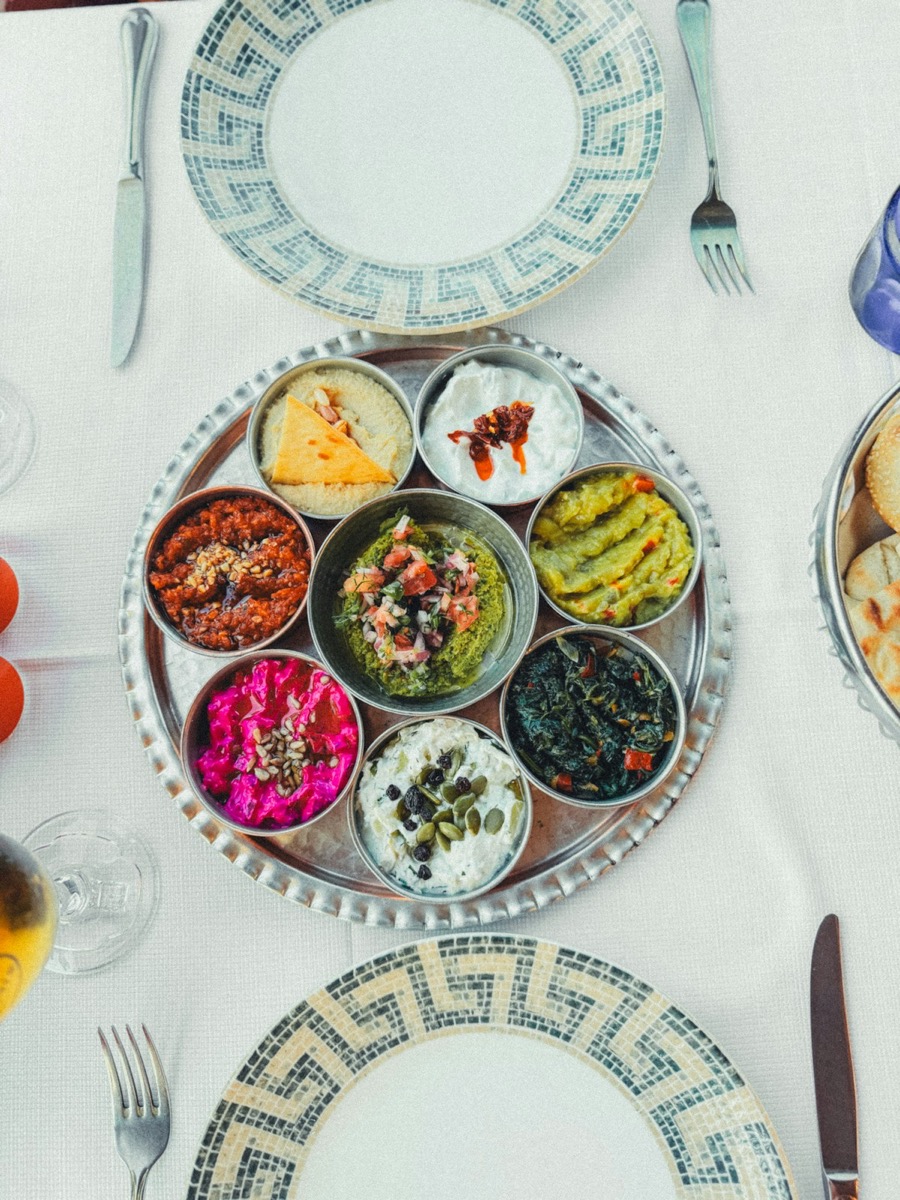
Riyadh sits in the heart of the Najd - the central Arabian plateau that is the traditional homeland of the Al Saud and the heartland of Saudi culture. The food here is different from Jeddah’s Hijazi seafood tradition or Abha’s Asiri mountain cuisine: slower-cooked, heavier, and built around lamb, wheat, and the communal platter.
Kabsa: Where to Find It in Riyadh
Kabsa is everywhere in Riyadh, but the quality and authenticity varies. The best experiences are usually at the simplest restaurants in the older commercial districts.
Al-Nakheel district: The cluster of traditional kabsa restaurants here serves Riyadh’s working and middle-class Saudis at lunch. The format is typically minimal decor, plastic chairs, and a choice of rice dish with chicken or lamb. Prices are SAR 25 as of 2026–40 per person.
Uthmaniyya and Batha: The older commercial districts south of Al-Olaya have traditional kabsa and mandi restaurants operating in buildings that predate the Vision 2030 transformation. More raw than tourist-friendly, but the food is often excellent.
Najdi Village Restaurant: The most visitor-accessible traditional experience in Riyadh. Atmospheric Najdi decor (traditional architecture, low seating), full menu of Najdi dishes, and good service. Multiple locations across the city.
Jareesh: The Najdi Staple
Jareesh is Riyadh’s distinctive dish - the one you won’t easily find outside the central Arabia region. Crushed wheat cooked slowly with meat (usually lamb or chicken) and spices until thick and porridge-like. Served with a ladle of ghee on top.
It is denser and more filling than kabsa - one portion is usually enough. The flavour is earthy and complex from long cooking. Find it at traditional Najdi restaurants; ask for it specifically as it is not always on the menu in tourist-facing places.
Margoog and Other Najdi Dishes
Margoog - slow-cooked lamb or chicken stew with root vegetables (potato, carrot, onion, tomato) served over a thin flatbread that absorbs the broth. The bread at the bottom of the dish becomes the most flavourful part as it soaks through with the stew liquid. Rich and warming.
Harees - wheat and meat porridge, slow-cooked until both are indistinguishable. Particularly prevalent during Ramadan and Eid when large batches are prepared. Dense and high in protein - the traditional fast-breaking food.
Saleeg - while more associated with Jeddah, saleeg (white rice cooked in milk and broth) appears at traditional Hijazi restaurants in Riyadh too. Worth ordering alongside kabsa to compare the two rice traditions.
Street Food
Shawarma: Riyadh’s most ubiquitous street food. The Saudi version uses chicken or lamb and comes with toum (garlic sauce), pickles, and tomato in flatbread. SAR 7–15 per wrap. Best found at dedicated shawarma shops - look for the rotating spit.
Mutabbaq: Less common than in Jeddah but available in the traditional market areas of Batha and the old city centre. Stuffed pastry with minced meat and egg.
Albaik: The Saudi fast food institution. Fried chicken, coleslaw, and garlic dip at SAR 20–30 for a full meal. Massive queues are a reliable quality indicator.
Sweets and Desserts
Luqaimat: Fried dough balls drizzled with date syrup (dibs) and sesame. Available at traditional sweet shops and some cafes.
Aseeda: Wheat porridge with honey and butter - traditional Najdi dessert, rarely on restaurant menus but prepared at home for family occasions.
Dates: Riyadh’s date shops sell dozens of varieties - Sukkary (sweet and soft), Ajwa (darker and drier, considered the most prized), and Sagai (crispy tips, soft base). Al-Qassim varieties are generally considered the finest.
For the full food scene overview, see the Riyadh food guide.
Book a Guided Food Tour of Riyadh
The Najdi dishes described above — jareesh, harees, kabsa in its authentic form — are concentrated in the older working districts of Batha and Al-Nakheel, where navigating without Arabic or local knowledge often means ending up at the tourist-facing version rather than the real thing. A guided food tour takes you to the Al-Nakheel kabsa houses with no English menus, to the date shops in Dira where a guide can explain the forty varieties on display, and through the traditional sweet shops producing luqaimat that are not advertised to outsiders. It is the most direct route to eating Riyadh properly.
Search hotels in Riyadh on Booking.com