Riyadh has more to offer tourists than most people expect - a combination of ancient Saudi history (Diriyah, Masmak Fortress), comprehensive museums, dramatic desert landscapes within day-trip range, and a growing entertainment scene through Riyadh Season. Here is how to approach the city’s main experiences.
Diriyah
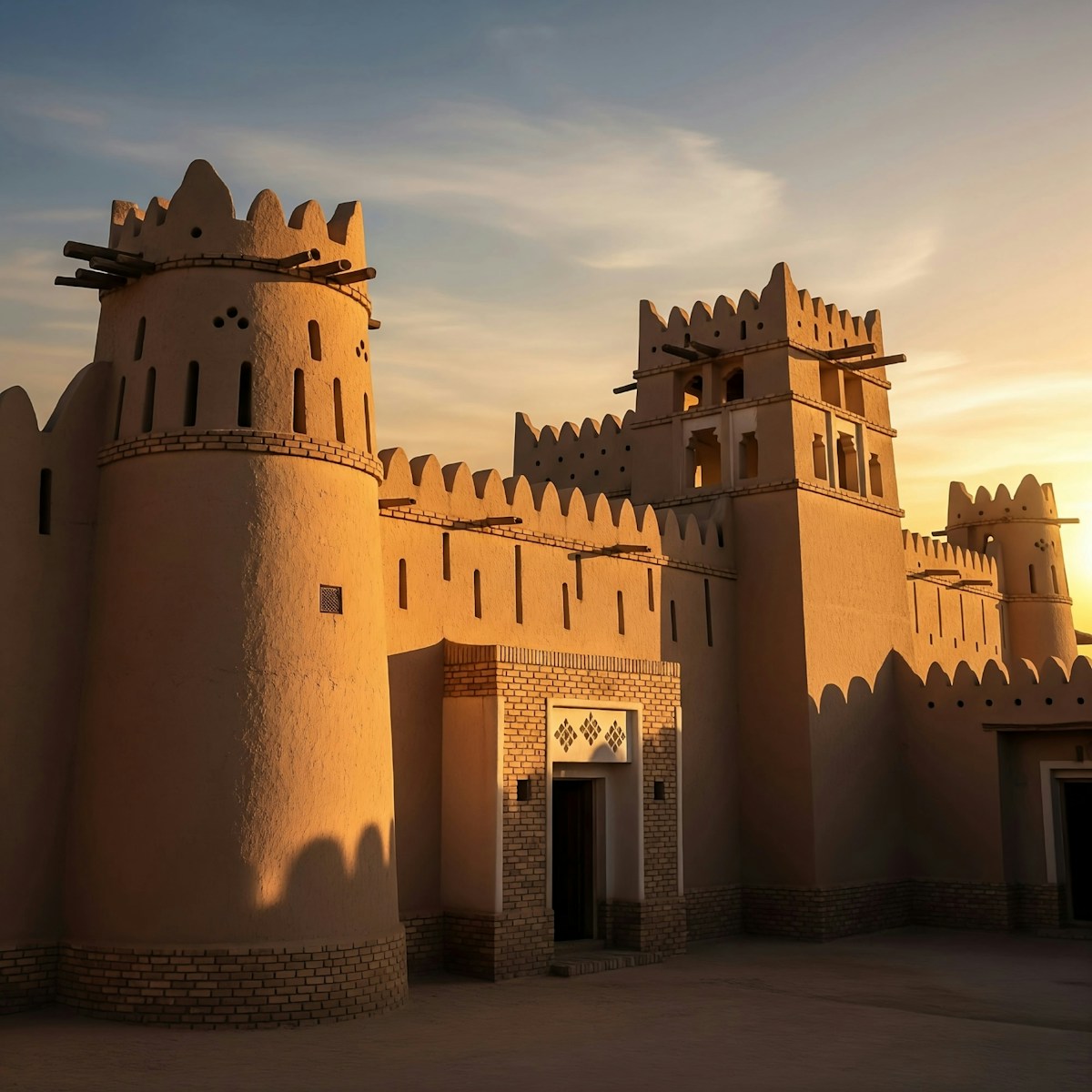
Diriyah is the single most historically significant site in Riyadh’s surroundings - 12 kilometres northwest of the city centre, at the birthplace of the Saudi state.
The At-Turaif district - UNESCO listed since 2010 - contains the mud-brick ruins of the 18th and 19th-century Saudi state capital. The palace complexes, mosques, and residential quarters of the first Saudi rulers are partially preserved and partially restored. A guided tour (book at nusuk.sa) takes 1–2 hours and covers the key structures with historical context. Entry to At-Turaif costs approximately SAR 95 per person as of 2026 (check nusuk.sa for current pricing, as fees have changed with the ongoing Diriyah development programme).
The surrounding Diriyah development includes the Bujairi Terrace — a row of cafes and restaurants in restored mud-brick buildings overlooking At-Turaif — and the developing Wadi Hanifah walkway. The Diriyah Season (typically October–March) brings concerts, exhibitions, and heritage events to the site. Arrive in the late afternoon to explore At-Turaif in the cooler hours and stay for dinner at Bujairi.
Transport from central Riyadh: Uber or Careem takes approximately 20–30 minutes from the city centre (budget SAR 25–40 each way). Paid parking is available if driving. See the Diriyah heritage guide.
Masmak Fortress
Downtown Riyadh’s most important historic monument. The 19th-century fortress was the target of Ibn Saud’s famous 1902 raid that began the unification of the modern Saudi state. The fort is intact, the museum inside is well-presented, and entry is free. An essential 1-hour stop. Opening hours are approximately 9am–12pm and 4pm–9pm Saturday to Thursday; Friday mornings are typically closed (confirm current hours locally as schedules shift around prayer times and public holidays).
The surrounding Dira neighbourhood has a traditional souk atmosphere. The Dira Souk (also called the Old Market Souk or the Thursday Market) and nearby streets are less polished than the malls but more representative of traditional commercial Riyadh. Gold and silver jewellery, traditional abayas, and household goods are all well-represented. From Masmak Fortress to the souk is a 5-minute walk.
The Musmak Quarter redevelopment project is gradually restoring the streets immediately around the fortress — some sections are more active in the evenings. From Masmak it is also a short walk to the Qasr Al-Hukm (Government Palace) district if you want to continue exploring the historic downtown area on foot.
National Museum of Saudi Arabia
The National Museum in the Qasr al-Hukm complex covers Saudi Arabia’s full history across eight galleries - from prehistoric Arabia through the Nabataean and Thamudic periods, the Islamic era, and the founding of the modern state. Well-produced, comprehensive, and free to enter. Allow 2–3 hours minimum. Opening hours are roughly 9am–9pm Saturday to Thursday, with shorter Friday hours (check the museum’s official site before visiting). The museum is adjacent to the Masmak Fortress, so pairing the two in a half-day visit is efficient — start at Masmak and walk to the National Museum after.
Kingdom Centre Sky Bridge
Riyadh’s most recognisable landmark - the 302-metre Kingdom Centre Tower with its distinctive arch opening at the top. The Sky Bridge observation deck at the arch gives panoramic views across the city. Entry costs approximately SAR 69. Best visited at sunset when the light turns the city’s towers and desert surrounds gold.
Edge of the World (Day Trip)
The Edge of the World - the Tuwaiq Escarpment dropping 300 metres to the desert floor - is the most dramatic natural experience within reach of Riyadh. 75 kilometres northwest of the city, the last section of the approach requires a 4WD vehicle. A guided Edge of the World tour from Riyadh is the easiest option - operators provide 4WD transport, a driver who knows the unmarked desert tracks, and often a sunset meal at the escarpment.
Visit at sunrise or sunset for the best light on the cliff faces. See the full Edge of the World guide.
Riyadh Season (October–February)
The annual Riyadh Season entertainment festival transforms the city from October through February with concerts, themed events, exhibitions, and amusement parks. The Boulevard Riyadh City and Al Murabba district are the main venues. Check the current programme at riyadhseason.sa.
Al Murabba Palace and Museum
The Al Murabba Palace (also spelled Murabba Palace) was the residence of King Abdulaziz ibn Saud built in the 1930s — one of the earliest examples of a modern building in Riyadh. It sits within a large compound that now also includes the Saudi Heritage Museum (part of the wider redevelopment). Entry is included with a ticket to the National Museum complex. The palace interiors give a concrete sense of how Riyadh looked in the early 20th century before the oil era transformed it.
Riyadh’s Districts Worth Walking
Al-Olaya (Business District): The cluster of glass towers along King Fahd Road including the Kingdom Centre is the most visually dramatic part of modern Riyadh. Al-Faisaliah Tower and Kingdom Centre are both on the same stretch — the Al-Faisaliah Globe (the gold sphere near the top) has a restaurant and observation access of its own.
Diplomatic Quarter (DQ): A green, walkable district with international-standard cafes and restaurants, cycle paths, and the Al-Salam Park. Less dense than central Riyadh, it is popular with expats and gives a sense of Riyadh at a slower pace.
Granada and Hittin Districts: Northern Riyadh’s restaurant strips, including many of the city’s newer Saudi and international dining options. Not historical, but if you are eating well in Riyadh, you will end up here at least once.
Practical Notes
Uber and Careem cover all main Riyadh sites. Distances are significant — a trip from the Kingdom Centre to Masmak Fortress is approximately 30–40 minutes in typical traffic. Budget SAR 20–40 for most cross-city Uber rides. Riyadh’s public metro (Riyadh Metro, opened 2024) connects the airport, King Abdullah Financial District, and the central downtown area — it is useful for avoiding traffic on some routes. See the full Riyadh travel guide for food, accommodation, and transport information.
Search hotels in Riyadh on Booking.com
See Also
- 3-day Riyadh itinerary - day-by-day plan covering Diriyah, Masmak and the Edge of the World
- Where to stay in Riyadh - hotel recommendations from budget to luxury
- Food to try in Riyadh - kabsa, street food and restaurant picks
- Riyadh desert safari - guided dune driving near the city