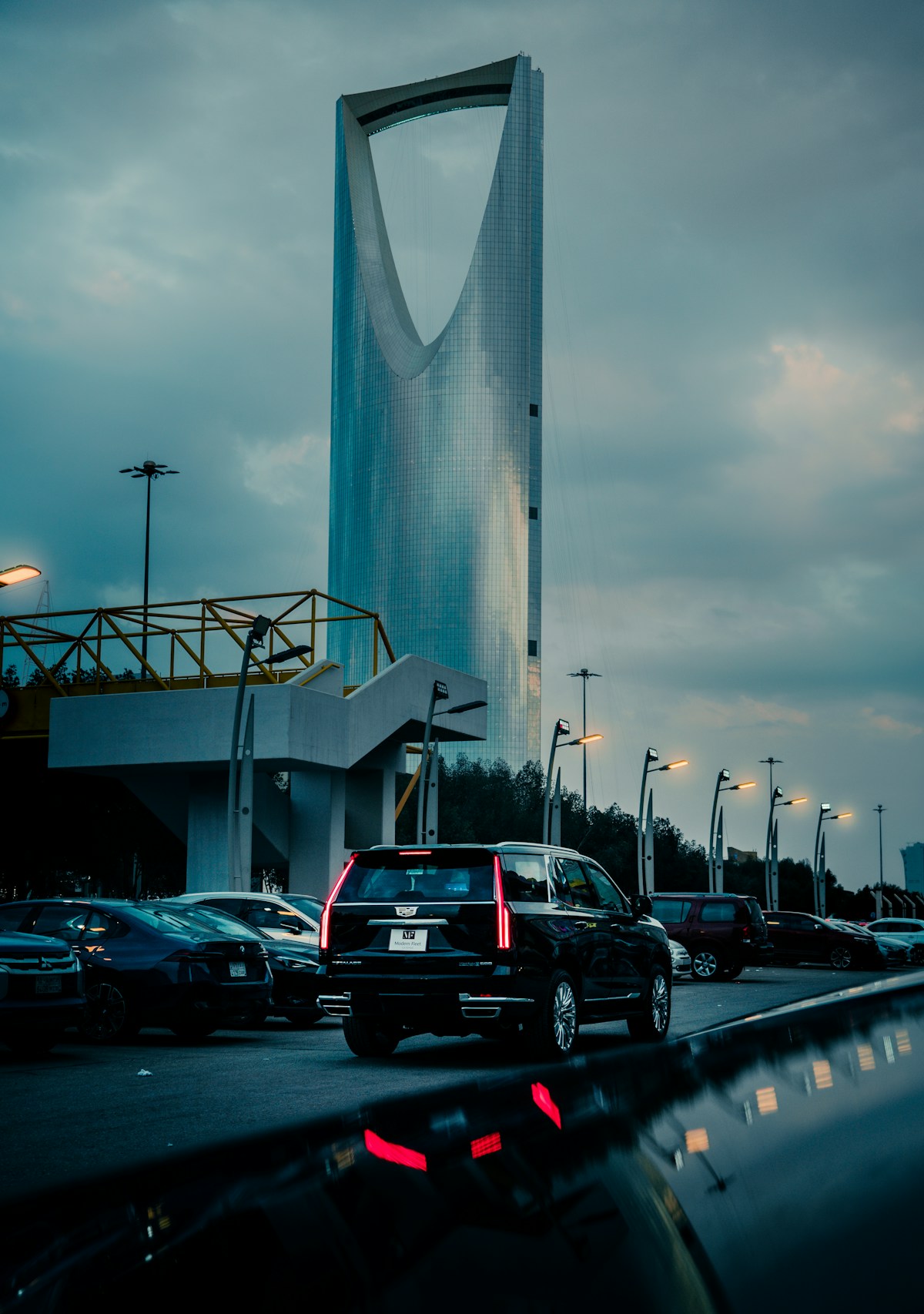
Riyadh and Dubai are the two most talked-about cities in the modern Gulf, and they represent two genuinely different visions of what an Arab megacity can be. Dubai has had 30 years of tourism infrastructure development; Riyadh is mid-sprint through its own transformation. They’re 1,100 km apart and separated by an international border, but if you’re planning a Gulf trip, the question of one versus the other - or whether to combine them - comes up constantly.
Quick Comparison
| Category | Riyadh | Dubai |
|---|---|---|
| Country | Saudi Arabia | UAE |
| Population | ~7.7 million | ~3.5 million |
| Tourism model | Rapidly opening, primarily domestic visitors | International tourism for 30+ years |
| Alcohol | Not available | Available in licensed venues |
| Dress code | Modest; abayas not required for tourists | Resort wear acceptable in tourist zones |
| Desert access | Outstanding (Edge of the World 90 min) | Good (30 min to dunes at Al Marmum) |
| Heritage depth | Extensive (Diriyah, national history) | Limited (Dubai Museum, Al Fahidi) |
| Beach access | None from city centre | Excellent (JBR Beach, Jumeirah) |
| Average mid-range hotel | SAR 500–800/night (USD 135–215) | AED 600–1,200/night (USD 165–325) |
Riyadh: The Saudi Capital on Its Own Terms
Riyadh has been Saudi Arabia’s political centre since the 19th century and has absorbed the Kingdom’s oil wealth into extraordinary infrastructure. The skyline - led by the Kingdom Centre Tower’s distinctive aperture and the growing cluster of towers in King Abdullah Financial District - rivals any Gulf city for ambition. But what distinguishes Riyadh from Dubai is depth: a national museum that is genuinely world-class, the restored Diriyah heritage district that tells the story of Saudi Arabia’s founding, and a desert landscape that begins immediately at the city’s edge.
Heritage and Culture
Riyadh’s Diriyah is the birthplace of the Saudi state - a mud-brick city founded in 1446 CE, now being restored as a 100+ hectare heritage and cultural precinct. The At-Turaif district (UNESCO World Heritage Site) costs approximately SAR 95 per person to tour as of 2026. The National Museum on King Faisal Road is among the best in the region, covering pre-Islamic Arabia through the present Saudi state, with entry at approximately SAR 25 (free on Tuesdays) as of 2026.
Dubai’s heritage equivalent - the Al Fahidi Historical Neighbourhood and Dubai Museum - is atmospheric but smaller in scope and depth. For visitors interested in Arab history before the oil era, Riyadh is significantly richer.
Desert Access
Both cities sit in or near desert, but Riyadh’s access is exceptional. The Edge of the World - a dramatic escarpment with 300-metre cliff drops and unobstructed views into the Tuwaiq plateau - is approximately 90 minutes northwest of the city. Guided tours run approximately SAR 200–350 per person as of 2026. The Tuwaiq Mountains run south for hundreds of kilometres and offer wilderness camping, rock climbing, and 4WD routes.
Dubai’s desert trips (primarily to the Lahbab red dunes or the Al Marmum Conservation Reserve) are approximately 45 minutes from the city and well-packaged but heavily trafficked. The scenery is different - lower dunes, more organised - and the experience is designed around tourism rather than discovered.
Where to Stay in Riyadh
Luxury: Four Seasons Riyadh at Kingdom Centre from approximately SAR 1,500/night (USD 400) as of 2026. Ritz-Carlton Riyadh from approximately SAR 1,200/night (USD 320) as of 2026.
Mid-range: Hilton Riyadh Hotel & Residences from approximately SAR 650/night (USD 175) as of 2026. Novotel Riyadh Al Anoud from approximately SAR 450/night (USD 120) as of 2026.
Budget: Holiday Inn Riyadh Al Qasr from approximately SAR 300/night (USD 80) as of 2026.
Where to Eat in Riyadh
Riyadh’s restaurant scene has expanded dramatically post-2019. Najd Village remains the standard for traditional Saudi cooking at approximately SAR 120–180 per person as of 2026. Nusr-Et (the global steakhouse brand) runs approximately SAR 300–500 per person as of 2026. For budget eating, Al-Baik and local kabsa houses serve full meals for approximately SAR 20–60 per person.
Dubai: Thirty Years of Tourism Infrastructure
Dubai has been building for international visitors since the early 1990s. The result is a city that runs extremely smoothly for tourists: seamless airport connections, a functioning metro, beach clubs that have perfected their formats over decades, and a hospitality sector that handles scale better than almost any city in the world.
The Burj Khalifa observation deck (entry from approximately AED 199 / USD 55 as of 2026) and the Dubai Mall/Dubai Frame are among the most visited attractions in the Arab world. The beach - JBR, Jumeirah Beach, Kite Beach - is genuinely excellent, with clear Gulf water and year-round sun.
Dubai’s advantage is breadth: the souqs of Deira (gold, spice), the modern art scene in Alserkal Avenue, the hyperreal Palm Jumeirah, the racing calendar, and the concentration of globally ranked restaurants and hotels in a single compact city.
What Dubai Does Better
Nightlife and dining variety: Dubai permits alcohol, has a developed cocktail and wine bar culture, and hosts global restaurant brands at density. The DIFC (Dubai International Financial Centre) alone has 100+ restaurants.
Beach and pool: Dubai’s resort beach culture is 30 years deep. The public beaches (Jumeirah, JBR, Kite Beach) are free and excellent. Private beach clubs run approximately AED 150–400 (USD 40–110) for day access as of 2026.
International flight connections: Dubai International Airport (DXB) is one of the busiest in the world, making it an easier first-stop hub for many itineraries.
Alcohol availability: For visitors who drink, Dubai’s licensed venues - hotel bars, restaurants in licensed zones - offer the full range.
Where to Stay in Dubai
Luxury: Atlantis The Palm from approximately AED 1,800/night (USD 490) as of 2026. Burj Al Arab from approximately AED 7,000+/night (USD 1,900+) as of 2026 - more hotel experience than room.
Mid-range: JW Marriott Marquis Dubai from approximately AED 700/night (USD 190) as of 2026. Hyatt Centric Jumeirah from approximately AED 650/night (USD 175) as of 2026.
Budget: Premier Inn Dubai Airport from approximately AED 300/night (USD 80) as of 2026. Rove Downtown runs approximately AED 350/night (USD 95) as of 2026.
Where to Eat in Dubai
Dubai’s food scene reflects 30 years of catering to an international workforce - virtually every cuisine is available, from street-level South Asian to Michelin-grade tasting menus.
Nobu Dubai at Atlantis The Palm is the flagship splurge - Japanese-Peruvian fusion from approximately AED 350–600 per person as of 2026. Zuma Dubai in the DIFC is the long-standing city benchmark for izakaya-style Japanese dining at approximately AED 300–500 per person as of 2026.
For Arabic and Levantine food: Al Ustad Special Kabab in Deira is an institution - grilled meats and kebabs in a no-frills setting for approximately AED 40–80 per person as of 2026. Logma in Jumeirah serves contemporary Emirati cuisine with traditional dishes like harees and regag bread at approximately AED 100–160 per person.
Budget eating: The Al Murraqabat area in Deira has outstanding South Asian street food - biryani, curry, and roti for approximately AED 15–30 per person. Al Mallah on 2nd December Street is a Lebanese fast-food counter popular for its shawarma and fresh juice at approximately AED 20–40 per person as of 2026.
Cost Comparison
Both cities sit in a similar overall cost bracket. Luxury hotels in Dubai run slightly higher than Riyadh equivalents. Mid-range restaurants in both cities are comparable (SAR/AED 80–180 per person). Attractions in Riyadh are generally cheaper - the Burj Khalifa entrance (AED 199) versus the National Museum Riyadh (SAR 25) reflects the pricing philosophy of each destination. Transport via ride-hailing is similarly priced.
The one major cost difference: alcohol in Dubai adds significantly to any evening out. A single cocktail at a Dubai hotel bar typically runs AED 60–90 (USD 16–25). This category doesn’t exist in Riyadh.
Before you travel, compare flights to Saudi Arabia, arrange travel insurance that covers the region, and pick up a Saudi eSIM so you have data from the moment you land.
Which Should You Visit?
Visit Riyadh if: You want to understand the Saudi transformation on its own terms - the heritage at Diriyah, the museum depth, the extraordinary desert landscape, and a city in a genuinely remarkable moment of change.
Visit Dubai if: You want a maximally smooth international tourist experience, beach access, alcohol, and the efficiency of a city that has optimised for visitors over three decades.
Visit both: Riyadh and Dubai are 1 hour 45 minutes apart by air (approximately SAR 250–600 one-way as of 2026). A trip that includes both gives you the full picture of what the modern Gulf is becoming - from opposite directions.
For Saudi trip planning beyond Riyadh, see our first-time in Saudi Arabia guide and Saudi Arabia budget guide. For a detailed Riyadh itinerary, see 3 days in Riyadh. To compare Saudi Arabia with the UAE at a country level, see the Saudi Arabia vs UAE guide.
More Saudi Comparisons
- Saudi Arabia vs UAE — country-level comparison covering history, cost, alcohol, and which suits your trip
- Riyadh vs Jeddah — how Saudi Arabia’s two largest cities compare on culture, food, and access
- Abha vs Taif — Saudi Arabia’s highland escapes: mountain scenery and cool summers
- AlUla vs NEOM — Saudi Arabia’s heritage heartland versus its most ambitious Vision 2030 project
Plan Your Trip
✈️ Book your flights to Saudi Arabia 🛡️ Get travel insurance 📱 Stay connected with an eSIM 🚗 Rent a car