First Time in Saudi Arabia: What to Know Before You Go
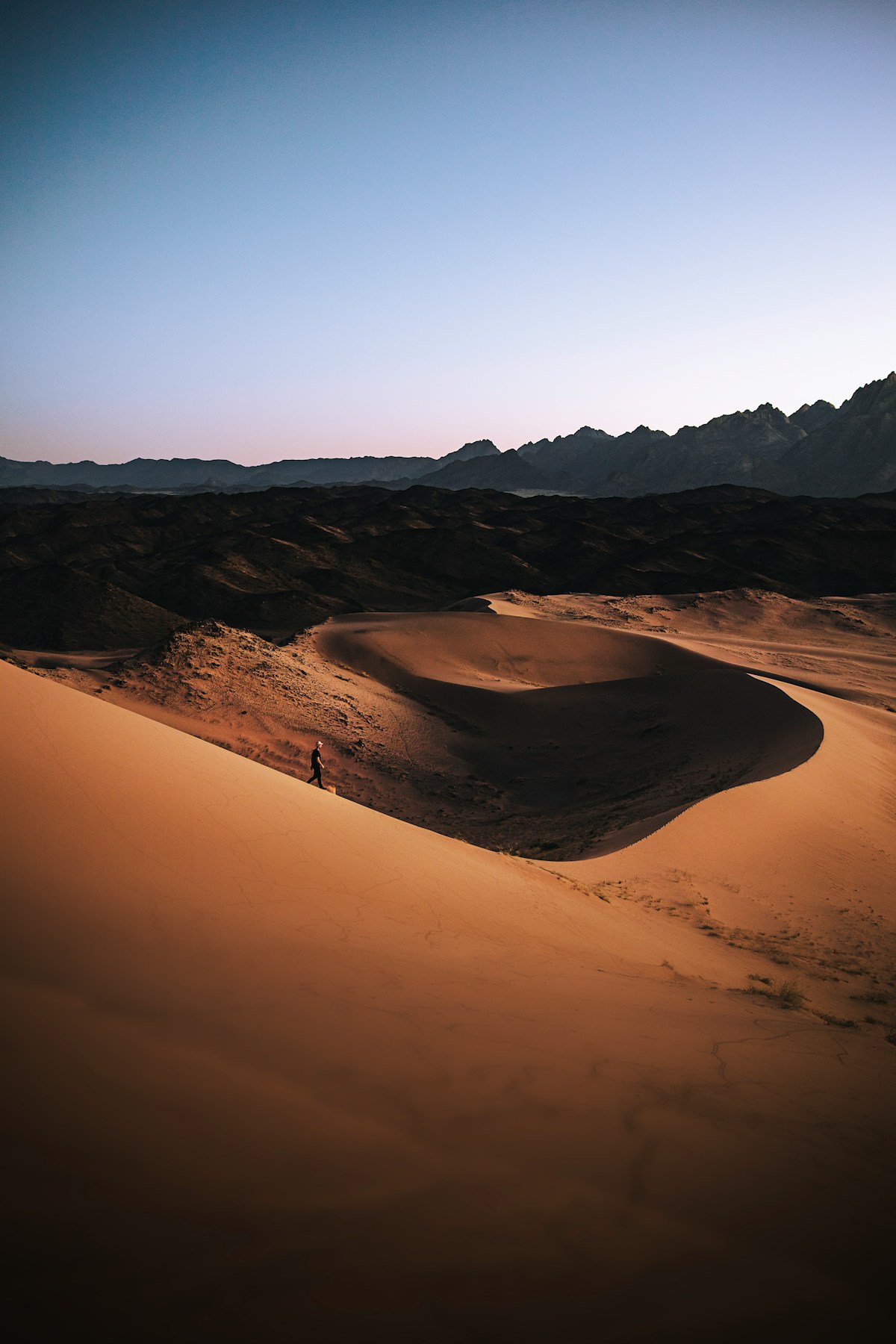
Saudi Arabia opened to international tourism in September 2019 after decades of restricted access. The country has changed rapidly since — new hotels, entertainment venues, and tourist infrastructure have appeared across the major cities. But some aspects of Saudi life are genuinely unfamiliar to most international visitors, and preparation saves confusion.
Visa
Most international visitors need a tourist eVisa. Apply online at evisa.visa.gov.sa before travel — the process takes minutes, with approval typically within 24 hours. The eVisa costs approximately USD 135, grants 90 days of stay with multiple entry, and is available to citizens of 49 countries.
Some nationalities can obtain a visa on arrival. GCC (Gulf Cooperation Council) nationals do not need a visa. Hajj and Umrah visas are separate from the tourist eVisa and do not permit general travel across the country without additional endorsement.
See the full Saudi Arabia visa guide for nationality-specific information.
Dress Code
Saudi Arabia has a dress code that applies to all visitors. The key rules:
- Both men and women should dress modestly in public spaces
- Women should cover arms and legs; a headscarf is required in mosques and at religious sites
- Men should avoid shorts in traditional areas, souks, and heritage sites (beaches and resort areas are exceptions)
- The legal requirement for foreign women to wear an abaya was removed in 2019, but modest loose clothing is strongly advisable
- Conservative areas (Buraydah, religious sites near Mecca and Medina) require stricter observation of dress rules
See the packing guide for specific clothing recommendations.
Alcohol
Alcohol is completely illegal in Saudi Arabia. There are no licensed bars, no alcohol in hotels, and no exceptions for tourists or special areas. Bringing alcohol into the country is a criminal offence. If you need alcohol during travel, Saudi Arabia is not the destination for you during this period.
Currency and Payment
Saudi Riyal (SAR). The Riyal is pegged to the US dollar at SAR 3.75 = USD 1. ATMs are widely available in cities. Credit cards are accepted at most hotels, malls, and restaurants. Smaller vendors and markets may be cash-only. Apple Pay and STC Pay are widely used. Don’t rely on cash alone in major cities.
Transport
Domestic flights connect all major cities. Saudia and flynas are the main carriers. Internal flights are affordable — Riyadh to Jeddah often costs less than SAR 200 ($53).
Ride-hailing: Uber and Careem operate across major cities and are the most practical transport for tourists.
Haramain High-Speed Railway connects Jeddah, Mecca (Muslims only), and Medina at speeds up to 300km/h.
Driving: International driving licences are accepted. Roads are good; driving standards are variable. Riyadh and Jeddah have significant traffic. A car is essential for reaching sites outside cities.
Safety
Saudi Arabia is among the safer countries in the Middle East for tourists. Street crime is very low. The main safety concerns are:
- Road traffic — Saudi road fatality rates are high. Drive defensively and wear seatbelts.
- Yemen border areas (Najran, Jizan, parts of Asir near the border) — check current UK FCDO or US State Department advisories.
- Summer heat — genuinely dangerous above 45°C. Heatstroke is a medical emergency.
Travelling solo? Our Saudi Arabia solo travel guide covers the 2019 reforms, safe solo bases, and the expat social scene. Book tours through our Saudi Arabia page for guided experiences with safety oversight.
Planning Your Route
Ready to start planning? Our itinerary guides show you how to structure your trip:
- One week in Saudi Arabia — Riyadh, AlUla, and Jeddah in 7 days
- 10 days in Saudi Arabia — the extended circuit with more depth at each stop
- Two weeks in Saudi Arabia — the full Saudi experience including Abha, Tabuk, and beyond
For practical trip planning, read our Saudi Arabia food guide and eSIM guide before you travel. Our basic Arabic phrases guide will help you navigate politely. Choosing between Saudi Arabia and the UAE for your Gulf trip? See the Saudi Arabia vs UAE comparison.
Book an experience
Top tours to book now
Already planning? These are the most popular experiences for this destination.
Frequently Asked Questions
- Do I need a visa to visit Saudi Arabia?
- Most international visitors need a tourist eVisa. Citizens of 49 nationalities can apply online at evisa.visa.gov.sa — the visa costs approximately USD 135, grants 90 days of stay, and allows multiple entry. GCC nationals do not need a visa. See the full visa guide for current eligibility by nationality.
- Is alcohol available in Saudi Arabia?
- No. Alcohol is completely prohibited in Saudi Arabia — not in hotels, restaurants, bars, or private settings. Bringing alcohol into the country is illegal. This is strictly enforced. There are no exceptions for tourist areas or international hotels.
- What is the dress code in Saudi Arabia?
- Modest dress is expected from all visitors. Women should cover arms and legs in public; a headscarf is required in mosques. The legal requirement for foreign women to wear an abaya (full-length robe) was removed in 2019 — but modest, loose-fitting clothing is appropriate everywhere and covering up is advisable in more conservative areas. Men should avoid shorts except on beaches and resorts.
- Is Saudi Arabia safe for tourists?
- Saudi Arabia is generally very safe for tourists. Street crime is extremely low. The main safety considerations are road traffic (drive defensively — Saudi road fatality rates are high) and areas near the Yemeni border in the south and southwest, which have been affected by the Yemen conflict. Tourist areas in Riyadh, Jeddah, and AlUla are safe.