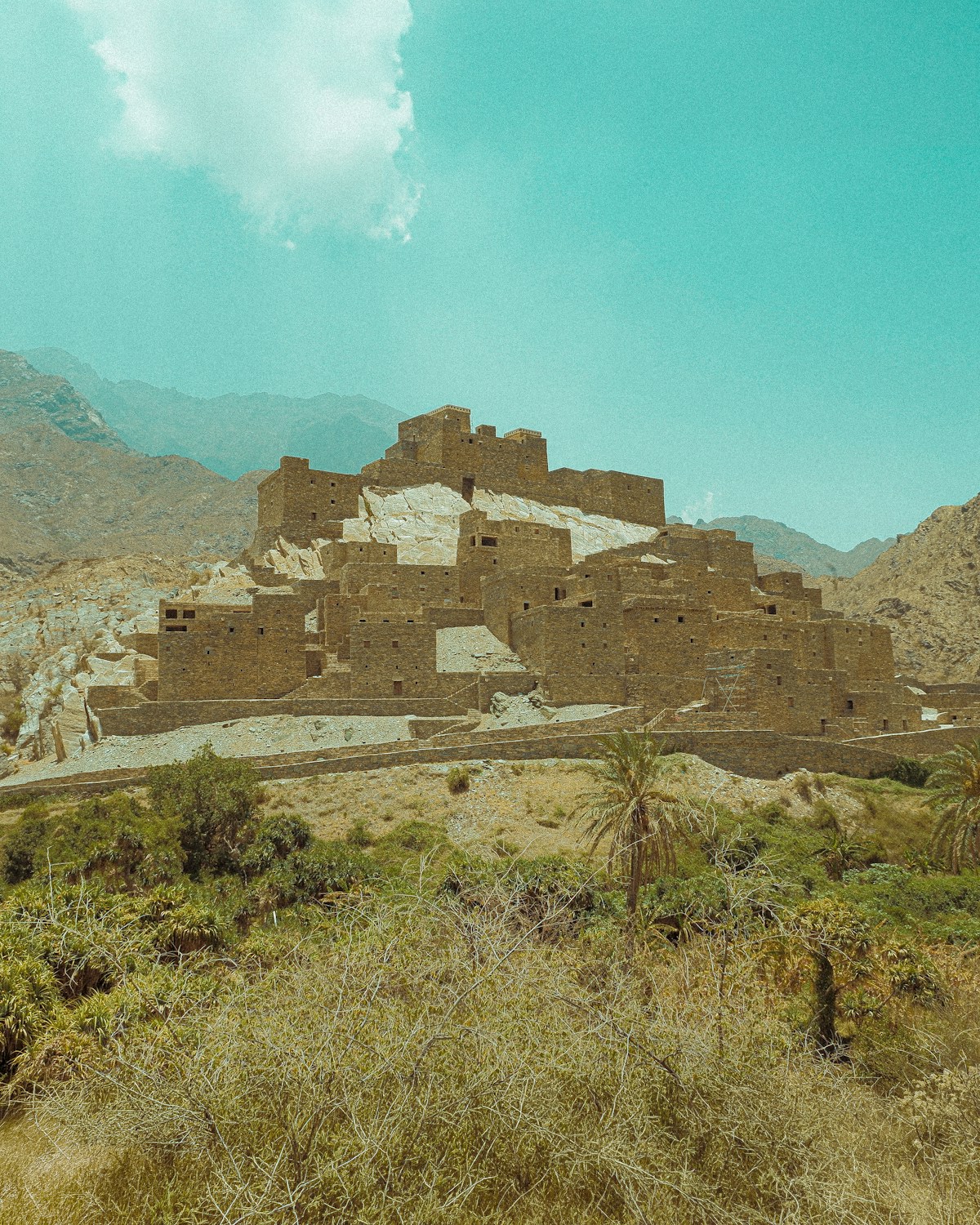
Saudi Arabia’s mountains don’t appear on most visitor itineraries, but they should. Two cities - Abha in the south and Taif in the northwest - offer genuinely different experiences from the flat desert and coastal cities that dominate Saudi tourism. Both sit above 1,800 metres, both are dramatically cooler in summer than the national average, and both have distinct characters shaped by centuries of highland culture.
Quick Comparison
| Category | Abha | Taif |
|---|---|---|
| Province | Asir | Mecca Province (Hejaz) |
| Altitude | ~2,200m | ~1,800m |
| Summer high (July) | 20–25°C | 25–30°C |
| Population | ~350,000 | ~700,000 |
| Distance from Jeddah | ~500 km south | ~90 km southeast |
| Best for | Mountain scenery, Asiri culture, trekking | Roses, honey, weekend break from Jeddah |
| Annual event | Abha Summer Festival (June–Sept) | Taif Rose Festival (March) |
| Hotel range | SAR 400–1,500/night | SAR 350–1,200/night |
Abha: Mountain Kingdom in the South
Abha is the capital of Asir Province, a region that sits against the Yemeni border and has its own distinct cultural identity - brightly painted architecture, women in colourful embroidered dress, terraced agricultural slopes, and mountain villages that predate the Saudi state by centuries.
The city sits at approximately 2,200 metres in the Asir Mountains, the highest urban centre in Saudi Arabia outside of Taif. In summer, while Riyadh bakes at 44°C, Abha sits at 22°C with afternoon mist rolling in from the west. This makes it Saudi Arabia’s primary summer escape - Abha Season runs June through September with concerts, markets, and an influx of domestic tourists from the Gulf states.
What to Do in Abha
Asir National Park surrounds the city. The Habala Hanging Village - a 600-year-old settlement built into a cliff face at 2,000 metres - is the most dramatic single sight in the region. Access is via cable car (approximately SAR 50 return as of 2026). The village is occupied only by the original families and a small number of heritage accommodation options.
The Green Mountain (Jabal al-Akhdar) - a stepped hilltop above the city centre - offers the best viewpoint over Abha and is accessible on foot or by road. Cable car from the base of Green Mountain runs approximately SAR 40 per person as of 2026.
Rijal Alma Heritage Village, 45 km west of Abha, is a four-storey Asiri stone village where the facades are decorated with coloured slate, ceramic plates, and old military memorabilia. Entry approximately SAR 15 as of 2026 - one of the most visually distinctive heritage sites in Saudi Arabia.
Tihama Coastal Plain: The road from Abha west toward Jizan drops from 2,200 metres to sea level in approximately 50 km - one of the most vertiginous drives in the country. The Tihama plain at the base is a different climate entirely: hot, humid, and African in character, with distinct reed-and-thatch architecture in the villages.
Where to Stay in Abha
Luxury: Hilton Abha Resort sits on a ridge above the city with panoramic mountain views. Rooms from approximately SAR 1,200/night (USD 320) as of 2026. The Ritz-Carlton Abha is planned for completion in 2027; until then, Hilton is the standout luxury option.
Mid-range: Abha Palace Hotel is a long-standing city-centre address at approximately SAR 550–750/night (USD 145–200) as of 2026. Novotel Abha is the most consistent international brand option at approximately SAR 450–650/night (USD 120–175) as of 2026.
Budget: A number of locally-run mountain chalets (شاليهات) in the Soudah and Al-Namas area rent by the night from approximately SAR 300–500 as of 2026 - particularly atmospheric for summer nights in the mountains.
Where to Eat in Abha
Asiri food is distinct from both Hejazi and Najdi traditions. Al-Mandoos Restaurant in Abha serves slow-cooked lamb with Asiri spice blends, flatbread, and fermented milk sides at approximately SAR 80–130 per person as of 2026. Matbakh al-Aseer (Kitchen of Asir) is a popular local canteen style with full lamb meals under SAR 60 per person.
The Souq Al-Alqa market near the old town is the place to buy local honey - Asir produces some of the most prized honey in the Arabian Peninsula, with Sidr (jujube blossom) honey selling from approximately SAR 150–600 per kilogram as of 2026 depending on grade.
Taif: The Rose City
Taif is Saudi Arabia’s most historically cosmopolitan highland city. It sits at approximately 1,800 metres in the Hejaz Mountains southeast of Jeddah, and has long been the summer residence for Jeddah and Mecca’s merchant and aristocratic families. The city is best known internationally for two products: Damask roses and honey.
What to Do in Taif
The Damask rose fields around the Hada, Shafa, and Al-Hada areas are the primary draw from late February to mid-April. The roses are grown for rosewater and rose oil extraction - Saudi Arabia is one of the world’s largest producers. The Taif Rose Festival (dates vary by year; typically March) includes farm visits, distillery demonstrations, and souq stalls. Entry to individual rose farms varies - approximately SAR 20–50 per farm visit as of 2026; some farms offer free entry with a product purchase.
Al-Rudaf Park in central Taif is a large public garden with pomegranate and grape orchards - Taif’s cool climate produces both at quality. Free entry as of 2026.
Shafa and Hada Districts: The Al-Hada cable car (approximately SAR 75 return as of 2026) runs from the mountain city down to the Hejaz valley below - views extend on clear days to the Red Sea foothills. Al-Hada itself has restaurants, a small amusement park, and weekend traffic from Jeddah and Mecca.
Taif Zoo is one of the largest in Saudi Arabia (free entry as of 2026) and genuinely well-maintained. Al-Shafa is a sub-district 30 km from Taif centre known for strawberry farms open to picking in season (April–May, approximately SAR 30–60 per kg as of 2026).
The Al-Rudaf Heritage Village and Taif Fort are free heritage sites in the city; both are low-key by national standards but worth an hour each.
Where to Stay in Taif
Luxury: Marriott Hotel Taif is the smartest option in the city, from approximately SAR 950–1,300/night (USD 255–345) as of 2026 with mountain views and good facilities.
Mid-range: Radisson Blu Taif is well-regarded at approximately SAR 600–850/night (USD 160–225) as of 2026. Holiday Inn Taif comes in at approximately SAR 400–580/night (USD 105–155) as of 2026.
Budget: Several locally owned mountain chalets in the Hada and Shafa districts run approximately SAR 300–500/night, popular with Jeddah families on weekend breaks as of 2026.
Where to Eat in Taif
Taif’s honey is the premium purchase - Sidr honey from the Taif mountains fetches SAR 200–800 per kilogram as of 2026 depending on grade. The Taif honey souq near the central market has dozens of vendors. Al-Mataam Al-Taifi serves the local Hejazi cooking tradition - lamb, rice, and stewed legumes at approximately SAR 60–100 per person. Al-Baik has a prominent Taif branch at the standard SAR 20–35 price point.
Which Mountain City Should You Visit?
Choose Abha if: You want the more dramatic, less visited mountain experience. The Asir Mountains are higher, greener (in season), and the Asiri cultural identity is more distinct and visible. Abha is best May–October when the summer season brings events and cool temperatures.
Choose Taif if: You’re based in Jeddah or Mecca and want a quick highland escape, or if you’re visiting during rose season (March). Taif is easier to reach from the western cities and its weekend market and rose culture make it a satisfying short break.
Can you do both? They’re 600+ km apart and not easily combined unless you’re doing a longer western Saudi loop. If you’re flying in and out of Jeddah, Taif is the realistic choice. If you’re spending a week in the southwest, Abha is worth the detour.
For broader Saudi trip planning, see our first-time in Saudi Arabia guide and best time to visit.
Before you travel, compare flights to Saudi Arabia, arrange travel insurance that covers the region, and pick up a Saudi eSIM so you have data from the moment you land.
See Also
More Saudi Comparisons
- Riyadh vs Jeddah — the two main Saudi cities on the roads leading to Abha and Taif
- Mecca vs Medina — Taif is 90 km from Mecca; many visitors combine the two
- Red Sea vs Arabian Gulf — the Red Sea coast that Abha’s mountains descend toward
- Saudi Arabia vs UAE — planning a wider Gulf trip that includes a Saudi highland stop
Plan Your Trip
✈️ Book your flights to Saudi Arabia 🛡️ Get travel insurance 📱 Stay connected with an eSIM 🚗 Rent a car