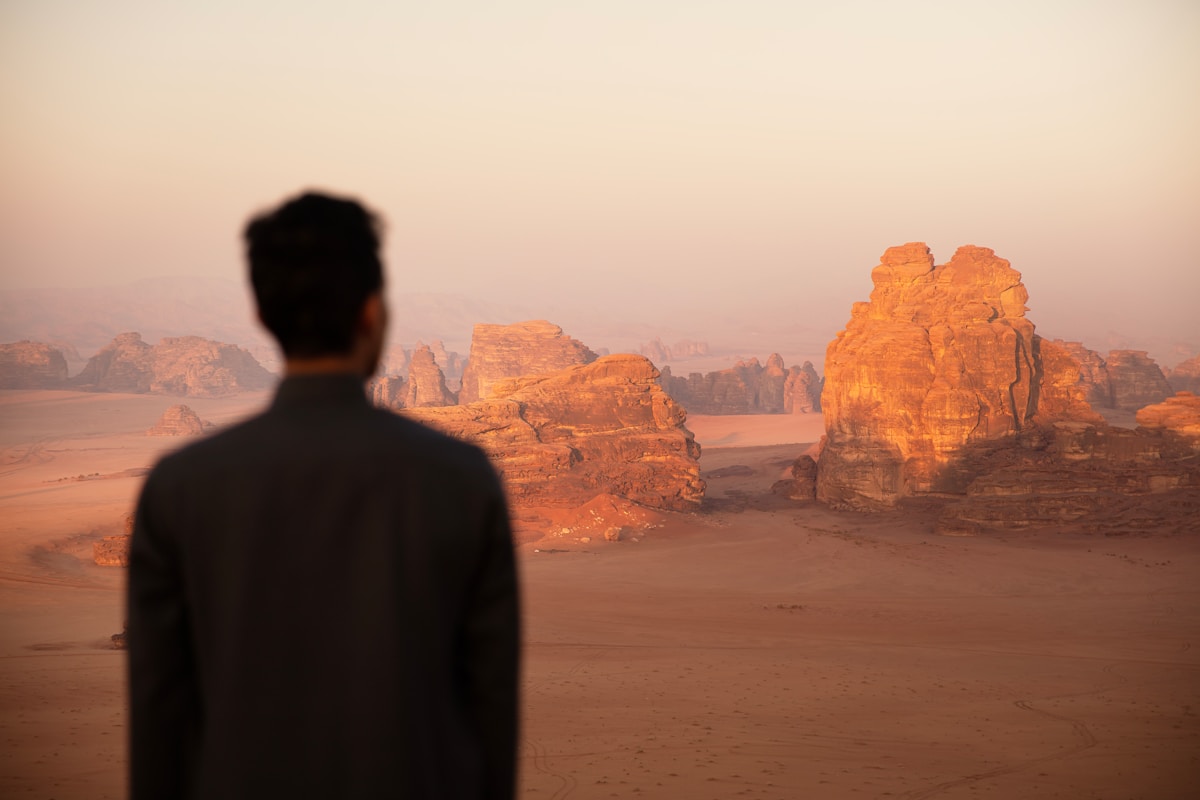
The short answer: visit Saudi Arabia between October and April. Temperatures across most of the country sit in a comfortable 15–28°C range, the flagship AlUla heritage site is fully operational, and two of the Kingdom’s biggest festival programmes - Winter at Tantora and Riyadh Season - run through this window.
Avoid June through September unless you are specifically heading to the Asir mountains around Abha. Riyadh and the interior regularly exceed 45°C; Jeddah on the Red Sea coast sits at 38–42°C with high humidity. Outdoor sightseeing is not feasible.
Month-by-Month Overview
| Month | Avg Temp (°C) | Rainfall | Crowds | Prices | Verdict |
|---|---|---|---|---|---|
| January | 13–21 | Very low | High | High | Excellent - peak winter season |
| February | 14–23 | Very low | High | High | Excellent - Camel Festival, AlUla |
| March | 17–27 | Low | Medium | Medium | Very good - shoulder start |
| April | 21–33 | Very low | Medium | Medium | Good - warming, good value |
| May | 26–39 | Negligible | Low | Low | Hot - manageable early mornings only |
| June | 30–44 | None | Very low | Lowest | Avoid most regions; Abha OK |
| July | 32–46 | None | Very low | Lowest | Avoid most regions; Abha OK |
| August | 31–45 | Trace | Very low | Lowest | Avoid most regions; Abha OK |
| September | 27–41 | Trace | Low | Low | Start of recovery; still very hot |
| October | 21–34 | Very low | Medium | Medium | Good - AlUla season opens |
| November | 16–27 | Low | Medium-High | Medium | Very good - ideal for Riyadh |
| December | 13–22 | Low | High | High | Excellent - Winter at Tantora begins |
Winter: October to February - The Prime Season
October and November
AlUla’s heritage sites reopen in full swing after the summer pause. Temperatures across the northwest settle into the 20–27°C range - ideal for walking among the Nabataean tombs at Hegra, climbing Elephant Rock, or exploring the Dadan canyon. Riyadh comes alive in November: Riyadh Season - a sprawling entertainment programme running through February - fills the capital with concerts, sporting events, and cultural exhibitions. Accommodation rates remain slightly below peak December–January levels, making November a smart value window.
Search hotels in Saudi Arabia on Booking.com
December and January
The peak of the Saudi travel calendar. The Winter at Tantora festival launches in AlUla in mid-December, running through late March. Expect world-class classical music performances set against floodlit Nabataean tombs, along with markets, desert camps, and guided heritage tours. In Riyadh, Diriyah - the UNESCO-listed birthplace of the Saudi state - is at its most accessible, with cooler days allowing extended exploration of the At-Turaif mud-brick heritage district.
The King Abdulaziz Camel Festival begins in late December near Buraydah in the Al-Qassim region and runs through February, drawing hundreds of thousands of visitors for camel beauty contests, racing, and traditional Bedouin cultural events. This is one of the most distinctive experiences in the Gulf.
Expect: Riyadh daytime highs 18–21°C, Jeddah 24–28°C, AlUla 15–20°C, Abha 12–18°C.
February
Still prime season. The Camel Festival continues, AlUla is busy but manageable, and temperatures remain excellent. A note on Ramadan: the Islamic lunar calendar means Ramadan shifts by about 11 days each year. When it falls in February or March, restaurant hours during the day are affected - most eating establishments in cities only open at iftar (sunset). This is worth checking ahead of travel. The experience of iftar itself - shared evening meals, illuminated mosques, a distinctly different city atmosphere - is genuinely worth witnessing if you are comfortable adjusting your meal schedule.
Spring: March and April - The Underrated Window
March is an excellent time to visit, particularly for budget travellers. AlUla is approaching the end of its Winter at Tantora season but remains open; hotel rates soften and crowds thin. Jeddah’s Al-Balad historic district is pleasant in 24–28°C weather. The Red Sea coast around Jeddah and NEOM is ideal for diving and snorkelling - water temperatures sit around 26°C.
April is the transition month. Inland temperatures begin their climb - Riyadh can hit 33°C by mid-April - but mornings and evenings remain comfortable. Jeddah benefits from sea breezes. The desert northwest (AlUla, Tabuk, Wadi Rum–adjacent NEOM areas) remains rewarding for the first half of April. Travel costs are noticeably lower than peak winter.
Summer: May to September - Avoid Most Regions
Riyadh in July is one of the hottest inhabited cities on earth, routinely reaching 47–50°C. Jeddah combines 40°C heat with Red Sea humidity that makes conditions genuinely dangerous for unacclimated visitors. Most serious sightseeing - Diriyah, Hegra, Mada’in Salih, any outdoor site - is simply not viable.
The One Summer Exception: Abha and the Asir Highlands
The Asir mountains in the southwest operate on a completely different climate. Abha, at 2,200 metres elevation, sees summer highs of 25–30°C, regular afternoon mist and light rain, and temperatures that drop to 15°C at night. Saudi domestic tourism floods this region in summer precisely because it is the escape from the heat. Accommodation books out early. The surrounding villages, terraced hillsides, and Rijal Almaa heritage village make this a genuinely rewarding destination even in peak summer. See our guide to Abha for detail.
Regional Climate Variation
Saudi Arabia spans over 2 million square kilometres and contains multiple climate zones:
The Hejaz and Red Sea Coast (Jeddah, Yanbu, Tabuk coast): Hot year-round; more humid than the interior. Best October–April. Diving season peaks November–April when water visibility is highest.
The Central Plateau (Riyadh, Buraydah, Ha’il): Classic continental desert - scorching summers, cold nights in January (can drop to 5°C). Best November–March.
The Empty Quarter and Eastern Region (Dammam, Al-Khobar, Jubail): Flat, very hot in summer with Gulf humidity in the east. Best November–February.
The Northwest (AlUla, Tabuk, NEOM, Wadi Rum-adjacent areas): Desert with dramatic temperature swings - cold nights in winter. Best October–March for outdoor exploration.
The Asir (Abha, Najran, Jizan): Highland climate, mild summers. Best May–September for those avoiding the national heat; also pleasant November–February.
Key Events Calendar
- King Abdulaziz Camel Festival - late December to mid-February, Buraydah, Al-Qassim region. The world’s largest camel festival; entry is free but the experience requires a full day and ideally a guide.
- Winter at Tantora - mid-December to late March, AlUla. Classical and world music concerts, heritage tours, desert camps. Tickets from approximately SAR 195 per event as of 2026; check the AlUla Events website for exact dates and pricing.
- Riyadh Season - October through February, Riyadh. City-wide entertainment programme with concerts, sporting events, theatre, and themed zones. Individual event pricing varies widely.
- Jeddah Season - typically June–August, Jeddah. The summer season targets Saudi domestic tourists escaping interior heat; most international visitors will not plan around this.
- Saudi National Day - 23 September. Celebrations across all major cities; expect fireworks, events, and full hotels in Riyadh.
- Founding Day - 22 February. A newer national holiday with growing celebrations.
- Ramadan - dates shift annually. A culturally significant period worth experiencing; plan meal logistics carefully and verify exact dates before booking.
- Hajj - dates shift annually. Non-Muslim visitors cannot access Mecca or Medina; travel to the Hejaz region in the weeks around Hajj is heavily congested. Verify dates before planning a western Saudi itinerary.
Whenever you decide to visit, compare flights to Saudi Arabia early for the best fares, browse Tours in Saudi Arabia to plan activities around the season, and protect the trip with travel insurance.
Best Time by Traveller Type
Heritage and history (AlUla, Diriyah, Hegra): November through February. Winter at Tantora (December–March) adds a significant cultural layer to AlUla specifically.
Diving and Red Sea (Jeddah coast, NEOM): November through April. Water temperatures warm, visibility excellent.
Desert and landscape photography (Hisma Desert, NEOM, Empty Quarter): November through March. Low sun angles, golden light, manageable temperatures for multi-hour outdoor shoots. See our desert camping guide for the best spots and logistics.
Budget travel: April and October are the sweet spot - good weather, lower rates than peak winter.
Summer travel (any reason): Abha and the Asir highlands are the only practical destination for June–September.
For monthly detail, see our month-by-month guides: January · February · March · April · May · June · July · August · September · October · November · December
Explore our city guides: Riyadh · Jeddah · AlUla · Abha · Mecca · Medina · Tabuk · Hail · Yanbu · Buraydah · Najran · Jubail
Planning your route? See our one-week Saudi Arabia itinerary.
Plan Your Trip
✈️ Book your flights to Saudi Arabia 🛡️ Get travel insurance 📱 Stay connected with an eSIM 🚗 Rent a car