Najran Travel Guide: Ancient Mud-Brick Citadels & Al-Ukhdood Ruins
Al-Ukhdood's 2,000-year-old ruins, Najran Fort's 30 watchtowers, and mud-brick Ismaili villages - Saudi Arabia's deep south rewards the long drive.
Guides for Najran
Najran is Saudi Arabia’s southernmost major city - the capital of a region that borders Yemen to the south and has a distinct culture shaped by geography, pre-Islamic history, and a predominantly Ismaili Shia Muslim population. It is one of the most culturally distinctive cities in the Kingdom and has significant archaeological heritage, though tourism infrastructure remains limited.
Safety note: The Yemeni border is approximately 50 kilometres south of Najran. As of 2026, the UK FCDO and US State Department advise against all travel within 10 kilometres of the Yemeni border due to the ongoing conflict. The city of Najran itself is considered safe for tourists. Do not travel south toward Sharurah without checking current government travel advisories.
Al-Ukhdood Archaeological Site
Al-Ukhdood is the most significant historical site in Najran and a Heritage Commission-managed site of national importance. Located 10 kilometres northeast of the city, it contains the ruins of an ancient city with inscriptions in the Ancient South Arabian script, dating primarily to the 5th and 6th centuries CE. It is believed to be the location referenced in Surah al-Buruj of the Quran - the story of the People of the Trench, early Christians killed by a pre-Islamic Himyarite king.
The site has been partially excavated and includes ancient walls, inscriptions carved into rock, and an open-air archaeological museum with a Heritage Commission site office on the grounds. Entry is free. Open daily 8am–6pm. English signage is limited - a local guide adds significant context, and guides are available through the Najran tourism office and hotel concierges.
Najran Fort (Qasr al-Imara)
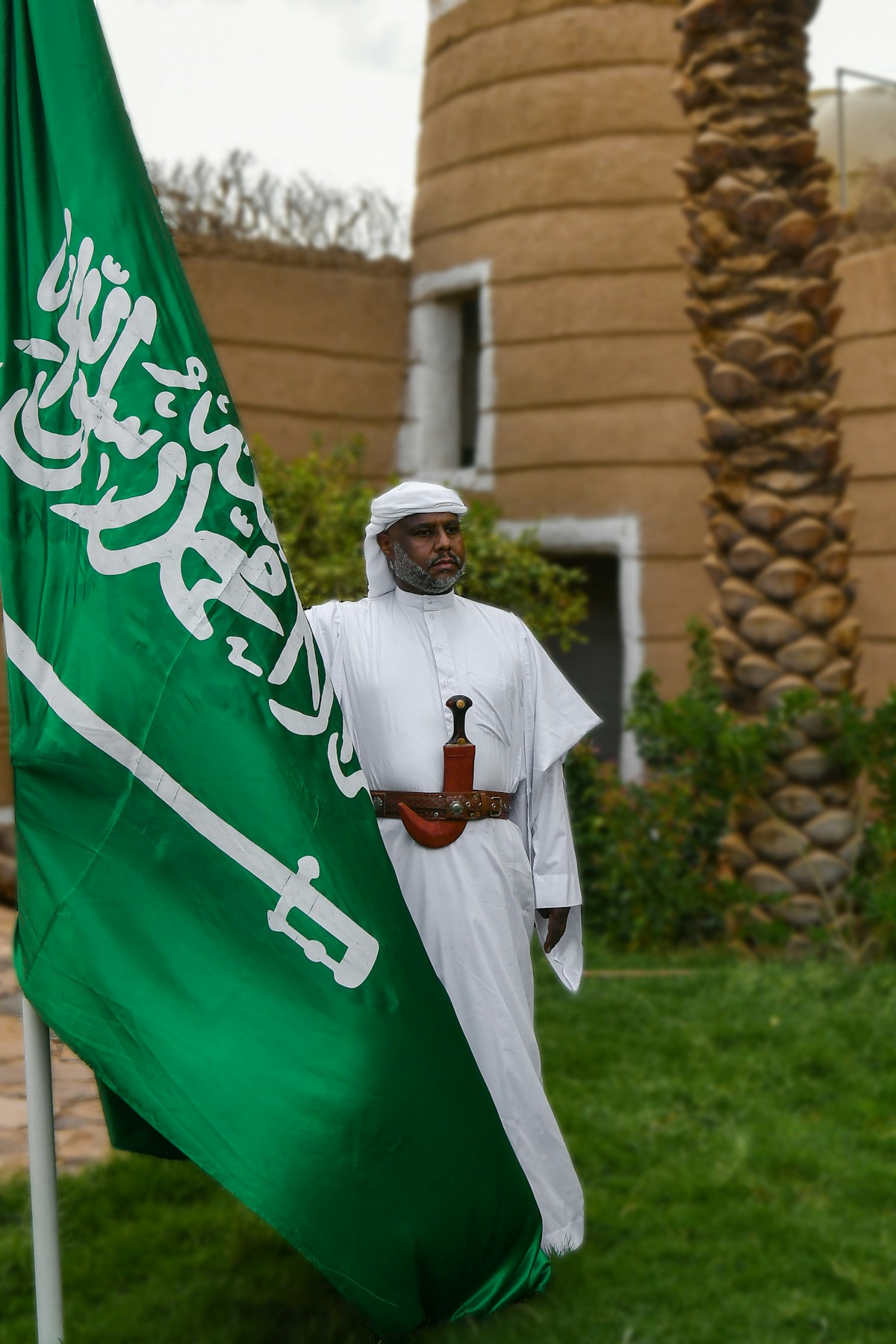
Najran Fort - Qasr al-Imara - is the most visually striking building in the region. The Ottoman-era mud-brick fortress has six towers still standing and overlooks the Najran valley from a commanding position. The distinctive white geometric gypsum decoration on the towers is shared with the vernacular architecture across the Najran wadi and across the border in Yemen.
Entry is free. Open during daylight hours. The fort is a 5-minute drive from the museum. The scale and state of preservation make it one of the finest examples of traditional fortress architecture in southern Arabia.
Najran Regional Museum
The Najran Regional Museum covers the pre-Islamic civilisations of southern Arabia - including Himyarite, Sabaean, and early Christian periods - with artefacts drawn from the al-Ukhdood excavations and the wider region. Free entry. Open Saturday–Thursday 8am–5pm; closed Friday. English signage is limited; the collections are substantial but require some prior reading to fully appreciate.
Najran Valley Lake (Wadi Najran Dam)
The Najran Dam, 20 kilometres west of the city, creates a seasonal lake in the wadi that fills during the winter rains - January to March is the best period. When full, the lake against the backdrop of the Najran escarpment is one of the more unexpected landscapes in southern Saudi Arabia. Camping is permitted on the banks. Free access. Facilities are minimal - bring your own supplies.
Where to Stay in Najran
InterContinental Najran: The best hotel in the city by a clear margin - 5-star facilities, reliable air conditioning, and an on-site restaurant. From SAR 450 as of 2026 per night.
Coral Hotel Najran: A solid 4-star option with a central location. From SAR 280 per night. Practical for most visits.
Search hotels in Najran on Booking.com
Where to Eat in Najran
Al-Romansiah: A reliable Saudi grill chain with consistent quality - lamb chops, kofta, and grilled chicken in a family-friendly setting. Mid-range pricing.
Mandi restaurants near the old souk: The best traditional food in Najran is in small, unlabelled restaurants in and around the old market area. Follow the smoke from the underground cooking pits. Slow-roasted lamb mandi is the staple, and the Yemeni influence on the cuisine is distinct from what you eat in Riyadh or Jeddah - expect more spicing and different accompanying bread.
Najran honey shops: Throughout the market, small shops and stalls sell Sidr honey produced from the Sidr tree flowers of the Najran wadi. Najran Sidr honey is considered among the finest in Saudi Arabia, prized for its thick consistency and medicinal reputation. Expect to pay SAR 100–300 per kilogram depending on quality and season. This is the most worthwhile souvenir from the city.
Najran’s Architecture and Local Culture
The broader Najran region contains numerous traditional villages with tower houses built in the same mud-brick and gypsum style as the fort. The villages along the Najran wadi - where date palms and agriculture are concentrated - are the most intact examples of this tradition. The architecture is genuinely distinct from the rest of Saudi Arabia.
Najran has a large Ismaili Shia Muslim population - unusual in Saudi Arabia, which is predominantly Sunni. The region’s culture reflects this heritage, with distinctive festivals, music, and craft traditions. Najrani silver jewellery and traditional daggers (janbiyyas) are the most notable local crafts.
Getting to Najran
By air: Najran Regional Airport has daily flights from Riyadh (1 hour 30 minutes, SAR 150–350 on Saudia and Flynas) and from Jeddah. Flying is the only practical option for most visitors.
By road: Najran is 1,200 kilometres from Riyadh - approximately 12 hours by car on Highway 15. This drive is not recommended; the road passes through remote desert with limited services for long stretches.
There is no rail connection to Najran. Car hire is the most practical option for exploring the dam, the archaeological sites, and the souks at your own pace. Book tours of Najran’s archaeological sites through our Najran page.
See Also
- Abha City Guide - the Asir highlands, 350km north of Najran
- Desert camping in Saudi Arabia - the Empty Quarter is accessible from Najran
- Jubbah Rock Art - another UNESCO rock art site in the north
- Red Sea diving guide - Farasan Islands, accessible via Jizan south of Najran
- Best Time to Visit Saudi Arabia - when to plan a southern Saudi trip
- Getting Around Saudi Arabia - flying to Najran and domestic route options
- Is Saudi Arabia Safe? - current travel advisories for the Yemeni border region
Book an experience
Top experiences in Najran
Explore the best tours and activities in Najran , with instant confirmation and free cancellation on most bookings.
Book experiences in Saudi Arabia