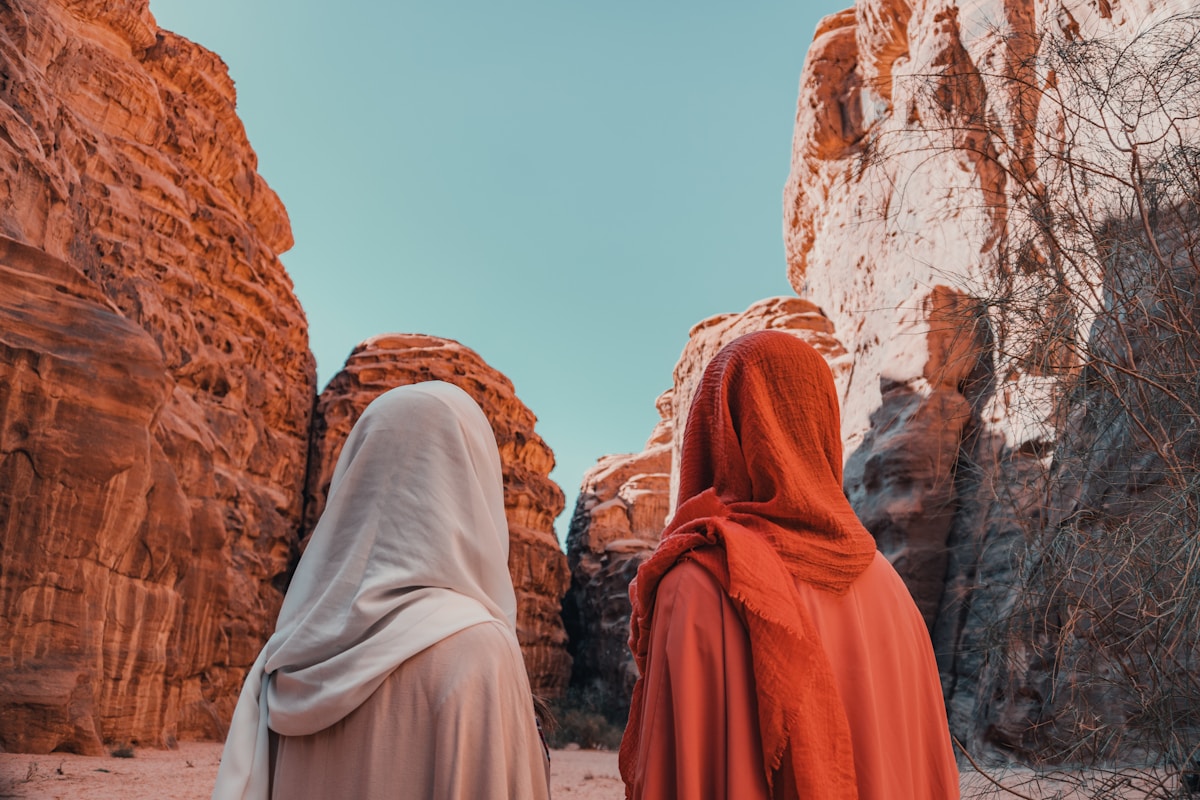
Saudi Arabia is a safe country for tourists by most measurable standards. The UK FCDO rates the majority of Saudi Arabia as safe for travel (with border area exceptions). Street crime - pickpocketing, theft, mugging - is rare in tourist areas. The country has invested heavily in tourist infrastructure since 2019, and international visitor numbers have grown significantly without a corresponding safety incident record.
That said, “safe” has specific meaning in Saudi Arabia - the country’s laws differ significantly from Western norms, and what is safe in the physical sense may not protect you from legal consequences if you violate local law.
Is Saudi Arabia Safe for Americans?
For the vast majority of Saudi Arabia, yes. American tourists are common in Riyadh, Jeddah, AlUla, and the Eastern Province, and face the same safety environment as other Western visitors - in many respects safer than large US cities for street crime.
US State Department advisory (verify at travel.state.gov before booking):
- Most of Saudi Arabia: Level 2 - Exercise Increased Caution (terrorism risk, general)
- Areas near the Yemeni border (Najran, Jizan, far south of Asir): Level 3 - Reconsider Travel or higher for areas immediately adjacent to the border
US-Saudi relations context: Despite periodic diplomatic friction, the US and Saudi Arabia maintain a close strategic and security partnership. There is no climate of anti-American hostility in tourist areas. Americans are among the most commonly encountered Western tourists at major Saudi attractions and are treated as any other visitor.
Practical steps for American travellers:
- Register with STEP: The Smart Traveler Enrollment Program (step.state.gov) lets the nearest US Embassy contact you in an emergency. Takes 5 minutes and is worth doing before any trip to the region.
- US Embassy in Riyadh: Located in the Diplomatic Quarter. Emergency contact: +966 11 488 3800. The US Consulate General in Jeddah serves the western region.
- Alcohol prohibition: Completely illegal in Saudi Arabia. No exceptions for foreign nationals, including Americans. Possession can result in arrest, fines, and deportation.
- LGBTQ+ travellers: Same-sex relations are illegal. American LGBTQ+ travellers should research current conditions carefully - the legal risk is real.
- Social media while in-country: Posts critical of the Saudi government, the royal family, or Islam can have legal consequences while you are physically in Saudi Arabia.
- Photography: Avoid photographing military or police installations, checkpoints, and government buildings. Ask permission before photographing individuals.
In summary: the physical safety picture for Americans is good. The legal and regulatory environment is where attentiveness is required - Saudi law applies equally to all nationalities.
Is Saudi Arabia Safe for British Tourists?
For mainstream tourist areas, yes. British visitors are among the most common Western tourists in Saudi Arabia, and the safety record for UK nationals in Riyadh, Jeddah, and AlUla is consistently good. Street crime is very low and there is no pattern of hostility toward British tourists.
UK FCDO advisory (verify at gov.uk/foreign-travel-advice/saudi-arabia before booking):
- Most of Saudi Arabia: generally rated as requiring normal or increased caution
- Yemeni border areas (Najran, Jizan, far south of Asir): FCDO advises against all travel within border zones
Practical steps for British travellers:
- Locate service: Register with the FCDO Locate tool so the British Embassy in Riyadh can contact you in an emergency
- British Embassy in Riyadh: Diplomatic Quarter; emergency contact available via gov.uk/world/organisations/british-embassy-riyadh
- Alcohol prohibition: Completely illegal - FCDO guidance explicitly flags this risk; no exemptions for British nationals
- Dress code: Modest dress is legally required in some settings; women should carry a headscarf for mosque visits
- LGBTQ+ travellers: Same-sex relations are illegal; the FCDO advises British LGBTQ+ travellers to exercise significant caution
The physical safety environment for British tourists in established tourist areas is good. Legal compliance is where the most important awareness is required.
Is Saudi Arabia Safe for Canadian Tourists?
Yes, in tourist areas. Canadian tourists have been visiting Saudi Arabia in growing numbers since the tourism opening in 2019, and the safety environment in Riyadh, Jeddah, AlUla, and the Eastern Province is consistently good.
Government of Canada advisory (verify at travel.gc.ca before booking):
- Most of Saudi Arabia: Exercise a high degree of caution (reflecting general regional security concerns)
- Yemeni border regions (Najran, Jizan, southern Asir): Avoid non-essential travel or stronger for areas directly adjacent to the border
Practical steps for Canadian travellers:
- Registration of Canadians Abroad: Register with Global Affairs Canada at travel.gc.ca before departure - enables the Canadian Embassy to locate and assist you
- Canadian Embassy in Riyadh: Diplomatic Quarter; emergency contact via the embassy portal
- Alcohol prohibition: Completely illegal; no exemptions for Canadian nationals - penalties include arrest, fines, and deportation
- Canada-Saudi diplomatic context: Relations have experienced tension at diplomatic levels but this has no impact on tourist safety or entry eligibility as of 2026 - verify current conditions at travel.gc.ca
- LGBTQ+ travellers: Same-sex relations are illegal; Canadian LGBTQ+ travellers should research current conditions carefully
Street crime risk for Canadian tourists in tourist areas is very low. Awareness of local laws is the primary safety consideration.
Is Saudi Arabia Safe for Australian Tourists?
Yes, in the main tourist areas. Saudi Arabia is safe for Australian visitors by measurable standards - street crime is very low, violent crime against tourists is rare, and Australian nationals are not at specific risk in established tourist destinations.
DFAT Smartraveller advisory (verify at smartraveller.gov.au before booking):
- Most of Saudi Arabia: Exercise normal safety precautions or Exercise a high degree of caution depending on area
- Yemeni border regions (Najran, Jizan): Reconsider your need to travel or Do not travel for areas immediately adjacent to the border
Practical steps for Australian travellers:
- Register with Smartraveller: Use the registration tool at smartraveller.gov.au - the Australian Embassy can contact you in an emergency
- Australian Embassy in Riyadh: Diplomatic Quarter; after-hours emergency via the Consular Emergency Centre in Canberra (+61 2 6261 3305)
- Alcohol prohibition: Completely illegal; DFAT explicitly flags this as a serious legal risk for Australian visitors - no exemptions apply
- Dress code: Modest dress is expected and legally required in some settings; women should carry a headscarf for mosque and religious site visits
- LGBTQ+ travellers: Same-sex relations are illegal; Smartraveller advises Australian LGBTQ+ travellers to exercise significant caution
Saudi Arabia has become a notable destination for Australian travellers, particularly for Red Sea diving and AlUla heritage tourism. Safety conditions in those areas are consistently good.
Is Saudi Arabia Safe for German Tourists?
Yes, for tourist areas. German tourists are increasingly present in Riyadh, AlUla, and Jeddah, and the physical safety environment for Western visitors is consistently good in established tourist destinations.
Auswärtiges Amt advisory (verify at auswaertiges-amt.de before booking):
- Most of Saudi Arabia: A partial travel warning applies - it covers border areas near Yemen and does not extend to main tourist destinations including Riyadh, Jeddah, AlUla, and the Eastern Province
- Yemeni border zones (Najran, Jizan, southern Asir): travel not recommended within border regions
Practical steps for German travellers:
- Krisenvorsorgeliste (Elefand): Register via elefand.diplo.de before departure - the German Embassy in Riyadh can locate and assist you in an emergency
- German Embassy in Riyadh: Diplomatic Quarter; after-hours emergency via the embassy crisis hotline
- Alcohol prohibition: Completely illegal in Saudi Arabia; no hotel bar or tourist zone exemptions exist - no exceptions for German nationals
- Dress code: Modest dress is required; women are advised to carry a headscarf for mosque and heritage site visits
- LGBTQ+ travellers: Same-sex relations are illegal; the Auswärtiges Amt specifically flags this risk in its Saudi Arabia country guidance
Saudi Arabia is growing in popularity among German travellers for cultural tourism - AlUla, Diriyah, and Hegra appeal particularly to German heritage travel interest. Safety conditions in those areas are good.
Physical Safety
Street crime: Very low in tourist areas. Riyadh, Jeddah, and AlUla all have minimal petty crime. Pickpocketing in tourist areas is less common than in comparable European tourist cities.
Terrorism: Saudi Arabia has experienced terrorism. The government maintains a high-security posture and has disrupted multiple plots. Tourist areas are not specifically targeted, but the general security environment is heightened. This is the same situation as most countries in the region.
Road safety: This is the most significant practical safety risk for tourists. Saudi Arabia has high road fatality rates. Drivers can be aggressive; speed limits are not consistently observed. Use seatbelts, drive defensively, and consider using ride-hailing apps rather than driving yourself when possible.
Areas to Avoid
Yemeni border regions: The area within 10 kilometres of the Yemeni border - including parts of Najran, Jizan, and the far south of the Asir region - has been affected by Houthi cross-border drone and missile attacks since the Yemen conflict began in 2015. The UK FCDO and US State Department both advise against travel near the border. Najran city itself has a travel advisory in place - check the latest guidance before visiting.
Legal Safety
Saudi Arabia enforces laws strictly, and some carry severe penalties:
Alcohol: Completely illegal. Possession is a criminal offence that can result in arrest, fines, deportation, or imprisonment. There are no exceptions.
Drugs: Severe penalties including the death penalty for trafficking.
Public morality: Public displays of affection are illegal. Dress codes apply and violations can result in police interaction.
Photography: Do not photograph military installations, government buildings, or individuals (particularly women) without permission.
Women’s Safety
Saudi Arabia has undergone significant social liberalisation since 2017. Women can now drive, travel independently, attend concerts and sporting events, and access most public spaces without a male guardian. The requirement for a mahram (male guardian) for foreign women was effectively removed for tourist travel.
Harassment of Western female tourists in tourist areas is uncommon. Use ride-hailing apps (Uber, Careem - both operate in Saudi Arabia), stay in reputable hotels, and dress modestly. The usual city safety principles apply - avoid deserted areas at night. For a full picture of what changed in 2019 and the best solo bases, see our Saudi Arabia solo travel guide.
Practical Advice
Check UK FCDO or US State Department travel advisories immediately before booking and again before departure. Saudi Arabia’s security situation can change. For current tour bookings and guided experiences with safety oversight, see our Saudi Arabia tours page.
See Also
- Women Travelling in Saudi Arabia - specific safety and logistics for female visitors
- Saudi Arabia Dress Code - what to wear and what laws apply
- Travel Insurance for Saudi Arabia - why coverage is essential and what to include
- First Time in Saudi Arabia - complete planning overview
- Solo Travel in Saudi Arabia - safety for independent travellers
- Saudi Arabia Visa Guide - entry requirements before you travel
Plan Your Trip
✈️ Book your flights to Saudi Arabia 🛡️ Get travel insurance 📱 Stay connected with an eSIM 🚗 Rent a car