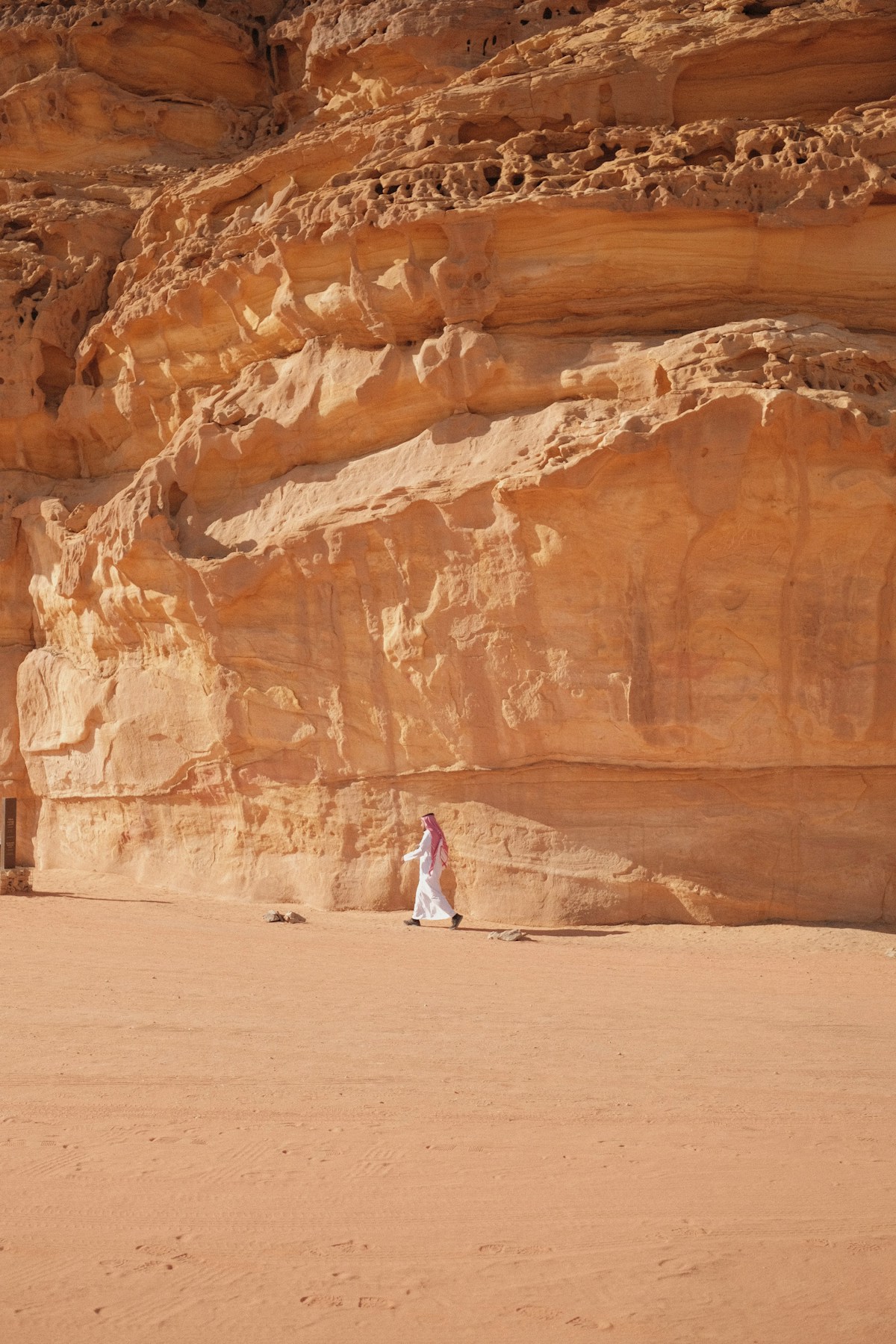
Saudi Arabia changed its rules on female travel more significantly than almost any other country in recent years. Women aged 21 and over can now visit without a male guardian, drive, stay in hotels independently, and attend mixed-gender entertainment venues. Understanding what has genuinely changed - and what remains culturally important - makes the difference between a smooth trip and an avoidable frustration.
What Changed in 2019
The reforms came in stages between 2017 and 2019 as part of the Vision 2030 programme:
- June 2018: Women permitted to drive
- June 2019: Women aged 21+ can obtain a passport and travel internationally without guardian permission
- 2019: The legal requirement to wear an abaya (full-length black robe) was removed for foreign visitors
- 2019 onwards: Mixed-gender concerts, cinemas, sports events, and entertainment venues opened across Riyadh and Jeddah
These are legislative changes, not reversals. The rules are in place and widely observed by hotels, government offices, and transport services. That said, social norms - particularly in smaller cities and more conservative provinces - move more slowly than legislation. Practical tips throughout this guide reflect both the legal reality and the social context.
Dress Code for Women
The legal position: No specific dress code is legally required of foreign women in Saudi Arabia. The mandate to wear an abaya was repealed in 2019.
The practical position: Modest dress is strongly expected, particularly outside resort areas and entertainment districts. This means:
- Loose clothing covering arms and legs
- Avoiding tight-fitting or sheer fabrics
- A headscarf is required when entering any mosque
- A headscarf is recommended (though not required) in more traditional areas - particularly Buraydah, Ha’il, and smaller inland towns
City differences matter. Jeddah is Saudi Arabia’s most cosmopolitan city and has the most relaxed atmosphere. Riyadh’s newer entertainment districts (Boulevard Riyadh, Diriyah) are mixed-gender and international in feel. AlUla, as an internationally-marketed archaeological destination, is genuinely open. At the other end of the scale, Buraydah in Qassim province is notably conservative - visiting women consistently report that more modest dress (covered hair, longer sleeves) draws less attention and is simply more comfortable there.
For mosque visits: Women need a headscarf and should wear loose, full-length clothing. Some mosques provide abayas at the entrance if needed. Non-Muslim women cannot enter the Grand Mosque in Mecca or the Prophet’s Mosque in Medina (the inner sanctum of Masjid an-Nabawi), but most other historic mosques throughout the country welcome respectful visitors of all faiths outside prayer times.
Resort areas: The NEOM Red Sea Project development and Sindalah Island are designed for an international audience. The dress code there is more relaxed - swimwear is appropriate at the beach and pools. The same applies to several private beach clubs along the Jeddah Corniche.
Safety for Women
Street crime rates are very low across Saudi Arabia. Pickpocketing, the constant background concern of solo travel in many cities, is rarely reported in tourist areas.
What to be aware of:
- Unsolicited attention can occur in traditional souks and older neighbourhoods. Moving purposefully, not making prolonged eye contact with unknown men, and being with other people (even just a group tour) reduces this significantly. Most travellers report no issues.
- Photography: Avoid photographing unknown people, particularly women, without explicit permission. This applies to both the photographer and the subject - respect goes both ways.
- Online behaviour: Dating apps (Tinder, Grindr, Hinge) are blocked in Saudi Arabia. Connections via these platforms from outside the country that continue inside it are in a legal grey area. Be discreet.
- Political commentary: Avoid public criticism of the government, royal family, or Islam - on social media during your visit and in public settings. This applies to all visitors, not only women.
The areas near the Yemeni border (parts of Najran and southwestern Asir province) have been affected by the Yemen conflict. Check UK FCDO or US State Department advisories before visiting that region.
Women-Only Spaces
Saudi Arabia retains designated women-only sections in some settings:
- Restaurants: Many traditional restaurants have a “family section” (also used by mixed-gender groups) and a “singles section” (traditionally for unaccompanied men). Women dining alone or in groups are usually seated in the family section. In modern restaurants and mall food courts, fixed seating is increasingly common.
- Waiting areas: Banks, government offices, and some hospitals have women-only queues and waiting areas. This can work in your favour - queues are often shorter.
- Transport: Some metro lines have women-only carriages (Riyadh Metro has a dedicated women’s carriage on each train). These are clearly marked and more comfortable than the general carriages during busy periods.
Using women-only sections is not mandatory - you can choose mixed-gender seating in most modern venues.
Getting Around Independently
Ride-hailing is the most practical transport mode for women travelling without a car. Both Uber and Careem operate across all major cities - Riyadh, Jeddah, Dammam, Tabuk, Abha, Taif, and AlUla. Fares are fixed by the app, which removes the negotiation dynamic of traditional taxis. Female drivers are now available on Careem; you can select this option when booking if preferred.
Car rental is available to women. You need your national driving licence plus an International Driving Permit (obtain before travel - they are not issued in Saudi Arabia). Having a rental car significantly increases what you can reach, particularly in AlUla and the Asir highlands. Fuel costs approximately SAR 2.18 per litre as of 2026.
Riyadh Metro is a comfortable option for moving around the capital. Each train has a dedicated women’s carriage at the front. The metro opened fully in 2024 and now connects most major neighbourhoods.
Domestic flights are the right choice for longer distances. Jeddah to Riyadh takes under an hour by air versus 10+ hours by road. See our getting around Saudi Arabia guide for route and airline details.
Accommodation
International hotel chains (Marriott, Hyatt, IHG, Accor) operate extensively in Riyadh, Jeddah, and AlUla and have no restrictions on solo female guests. Booking independently is entirely standard.
Smaller traditional guesthouses in Jeddah’s Al-Balad historic district are generally female-friendly, though it is worth confirming on booking platforms. A few budget guesthouses in more conservative areas may turn away unaccompanied women - this is rare in tourist areas but can happen in smaller provincial towns. International-facing platforms (Booking.com, Airbnb) list properties that accept solo female travellers.
AlUla has a limited accommodation stock (primarily resort-style properties and eco-lodges near Hegra). These are all mixed-gender, internationally managed, and among the most comfortable environments for solo women visitors in the country.
Search hotels in Saudi Arabia on Booking.com
Practical Tips Specific to Women
- Carry a scarf in your bag at all times - you’ll need one for mosque visits and it’s useful in conservative areas without advance planning.
- Menstrual products are widely available in supermarkets (Panda, Carrefour, Tamimi) in all major cities. Rural areas may have less variety. Bring a sufficient supply if travelling beyond the main cities.
- Healthcare: Major hospitals in Riyadh and Jeddah have women’s health departments with female doctors. Saudi Arabia has high-quality private medical facilities. Travel insurance with medical cover is recommended - see our travel insurance guide.
- Photography of yourself: Photographing yourself freely at public sites is normal. Drone photography requires a permit.
- Networking: The “Expats in Jeddah” and “Expats in Riyadh” Facebook groups are active, with tens of thousands of members and regular meetups. Useful for meeting other travellers and getting current practical advice from residents.
Best Destinations for Female Travellers
Jeddah is consistently recommended by solo female visitors as the most comfortable entry point. Al-Balad is walkable and interesting, the Corniche is a genuine social space in cooler months, and the city’s mix of cultures is immediately apparent.
AlUla is the standout archaeological destination in the country. The small, international visitor community, the small-group guided tour model (Hegra access requires a guide), and the resort-standard accommodation make it one of the most comfortable environments in Saudi Arabia for independent women. The AlUla guide covers site access and logistics.
Abha and the Asir Mountains offer a completely different side of Saudi travel - a cooler, greener highland environment with a distinct culture. The region gets relatively few international visitors, which means more genuine local interaction and less tourist-infrastructure polish. It rewards visitors who are comfortable with less certainty.
Red Sea coast (Jeddah, Yanbu, and the resort developments further north) for diving, snorkelling, and coastal scenery. The Red Sea has some of the least-crowded reef systems in the world.
Browse tours and experiences in Saudi Arabia for guided options that provide ready-made social context - particularly useful for solo female visitors navigating a destination where independent infrastructure is still developing.
For the full picture on what to wear in specific contexts - including rules covering all visitors - see our Saudi Arabia dress code guide. For safety information covering all travellers, see our is Saudi Arabia safe guide.
Plan Your Trip
✈️ Book your flights to Saudi Arabia 🛡️ Get travel insurance 📱 Stay connected with an eSIM 🚗 Rent a car