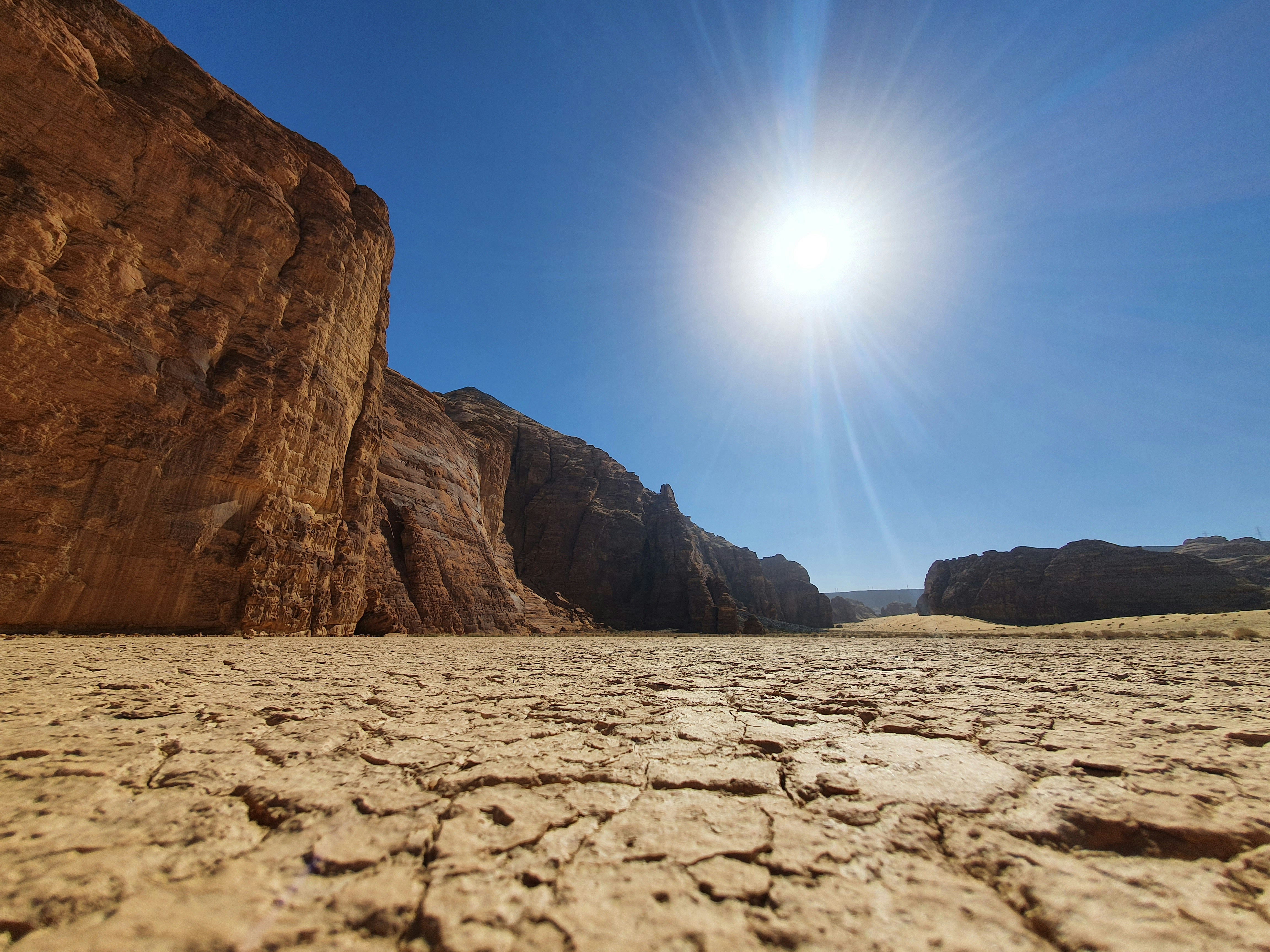
Saudi Arabia opened to international tourism in September 2019. Seven years in, the infrastructure for independent travel has improved dramatically - but the solo travel community is still small enough that you’ll rarely feel like you’re following a well-worn backpacker trail. That’s the point: remarkable historical sites, dramatic landscapes, and genuinely curious local hosts, with a fraction of the crowds you’d encounter in comparable destinations.
Is Saudi Arabia Good for Solo Travel?
Straightforwardly, yes. Saudi Arabia is not the destination it was even five years ago. Visitor visas are available to most nationalities, entertainment districts have opened across Riyadh and Jeddah, and the country has invested heavily in tourist infrastructure at sites like AlUla, Diriyah, and the Red Sea coast.
The solo travel scene is young. You won’t find the hostel networks of Southeast Asia or the well-developed overland routes of South America. What you will find is a country that is actively courting international visitors, locals who are frequently eager to talk to foreigners, and archaeological and natural sites that - for now - still feel genuinely uncrowded.
Safety for Solo Travellers
Saudi Arabia is among the safer countries in the Middle East for tourists. Street crime is extremely low. Petty theft, the persistent concern of solo travel in many destinations, is rarely reported in tourist areas.
The practical safety concerns are different:
- Road traffic is the most significant risk. Saudi road fatality rates are high. If you rent a car, drive defensively and wear a seatbelt consistently.
- Summer heat (June–September) is genuinely dangerous. Temperatures above 45°C are common in Riyadh and the interior. Heatstroke is a medical emergency. Limit outdoor activity during midday hours.
- Yemen border region - parts of Najran province and southwestern Asir near the border have been affected by the Yemen conflict. Check UK FCDO or US State Department advisories before visiting these areas.
- Political speech - Saudi Arabia enforces restrictions on public criticism of the government, the royal family, and Islam. Avoid political commentary in public settings and on social media during your visit.
Solo Female Travel in Saudi Arabia
Since June 2019, women aged 21 and over can travel to Saudi Arabia without a male guardian (mahram). This is a genuine and significant change from the previous system.
What has changed: women can book hotels independently, move around cities freely, rent cars, and visit all tourist sites without restriction. The legal requirement to wear an abaya (full-length black robe) was also removed in 2019.
Search hotels in Saudi Arabia on Booking.com
What hasn’t changed: modest dress is expected and culturally important. Loose clothing covering arms and legs is appropriate everywhere. A headscarf is required when visiting mosques. In more conservative cities - particularly Buraydah and smaller towns inland - more conservative dress is advisable.
Women-only sections in restaurants and some public spaces still exist and are clearly signed. These are not restrictions - you can choose to sit in the mixed-gender sections in most modern venues, and the women-only sections can feel more comfortable in some settings.
In practice: Jeddah and Riyadh’s newer entertainment districts (Boulevard Riyadh, Jeddah Corniche) are genuinely comfortable for solo women. AlUla is notably relaxed - the archaeologically-focused visitor community there is international and the atmosphere is one of the most open in the country. Red Sea resort areas (Neom’s Sindalah Island and the Red Sea Project development) are designed for an international audience and reflect that in their atmosphere.
How to Meet People in Saudi Arabia
This is the question solo travellers ask most about Saudi Arabia, and the honest answer is that it takes a little more intentionality than in destinations with established backpacker infrastructure. Some practical routes:
- Facebook groups - “Expats in Riyadh” and “Expats in Jeddah” are active communities with tens of thousands of members. Both host regular meetups and are responsive to new arrivals asking for recommendations.
- Diplomatic Quarter, Riyadh - the most international neighbourhood in the capital. Community events, international restaurants, and a concentration of expat residents make this the easiest place to meet English-speaking locals and visitors.
- Red Sea diving community, Jeddah - small but close-knit. Operators like Diwa Dive Center run group dives that naturally bring together visitors with similar interests.
- AlUla guided tours - Hegra site access requires a guide. The tours are small-group and tend to attract an educated, curious travel demographic. These are among the most natural social environments in the country for solo visitors.
- Asir Mountains hiking, Abha region - Saudi families hike the Asir trails regularly. Solo visitors are welcomed, and the cultural contrast with the desert cities is striking. The cooler climate and lush landscape bring out a different side of Saudi social life.
- Boulevard Riyadh and Diriyah - these entertainment hubs have operated since 2021 and function as evening social spaces. The Diriyah at-Turaif UNESCO site is particularly worth an evening visit.
Best Bases for Solo Travellers
Jeddah is the most practical first base - Saudi Arabia’s most liberal city by culture, the gateway to the Red Sea coast, and home to the UNESCO-listed Al-Balad historic district. The Corniche is walkable in winter evenings, and the city’s mix of old merchant architecture and modern development makes it immediately interesting.
AlUla is the standout destination. The Hegra (Mada’in Salih) archaeological site - Saudi Arabia’s first UNESCO World Heritage Site - is genuinely extraordinary, and the broader AlUla valley contains rock art, ancient inscriptions, and dramatic sandstone formations across a 200km-long area. The AlUla destination guide covers logistics in detail.
Abha offers a completely different Saudi experience - a mountain city at 2,200m elevation, with a cooler climate, terraced hillside villages, and proximity to the Asir National Park. The character here is distinct from both Riyadh and Jeddah, and solo visitors willing to travel outside the main tourist circuit are rewarded.
Group Tours Worth Taking
Some of Saudi Arabia’s best experiences are more accessible through a group tour than independently:
- Hegra site tours at AlUla - site access requires a guided tour, and the context a knowledgeable guide provides is genuinely valuable here.
- Red Sea diving packages - multi-day liveaboards and guided day dives from Jeddah are the best way to access the outer reef systems.
- Diriyah heritage tours - the mud-brick ruins of the original Al Saud capital repay guided interpretation.
Browse Saudi Arabia tours and experiences for current availability and pricing.
Practical Solo Tips
- Daily budget: approximately SAR 250–500 (USD 65–135 as of 2026). AlUla runs higher - budget SAR 400–600 per day there.
- Payment: credit cards are widely accepted in hotels, malls, and modern restaurants. Smaller vendors and some souks are cash-only. Carry some Riyals.
- Transport: Uber and Careem both operate across major cities and are reliable. For AlUla and Abha, a rental car significantly increases what you can reach.
- Alcohol: not available anywhere in Saudi Arabia. There are no exceptions for tourists, international hotels, or resort areas. This is strictly enforced.
- Ramadan: the month of Ramadan significantly affects restaurant opening hours (most are closed during daylight), social rhythms, and some entertainment venues. The atmosphere is genuinely distinctive - but plan around the schedule change. Exact dates shift annually; check the Islamic calendar before booking.
- Mosque visits: women should carry a headscarf. Non-Muslims cannot enter the Grand Mosque in Mecca or the Prophet’s Mosque in Medina, but most other mosques permit respectful non-Muslim visitors outside prayer times.
- Photography: photograph people only with permission. Avoid photographing government buildings, military installations, and checkpoints.
Best Time to Go Solo
November to March is the prime window. Temperatures in Riyadh and Jeddah sit between 15–25°C, outdoor sites are comfortable to explore, and the AlUla winter season (November–March) brings the area to life with events and extended site access.
April and October are transitional months - still manageable in most of the country, though temperatures rise quickly in April.
June to September should be avoided unless your itinerary focuses on Abha and the Asir highlands, where the elevation keeps temperatures bearable (25–30°C). Riyadh and the interior regularly exceed 45°C during this period - outdoor sightseeing becomes impractical and genuinely dangerous.
Ramadan timing rotates through the calendar year. Solo travel during Ramadan is entirely possible and has its own atmosphere - but the practical adjustments (daytime food access, restricted entertainment) require planning. Research current-year dates before booking.
See Also
- Is Saudi Arabia Safe?
- Women Travelling in Saudi Arabia
- Saudi Arabia Dress Code
- First Time in Saudi Arabia
Plan Your Trip
✈️ Book your flights to Saudi Arabia 🛡️ Get travel insurance 📱 Stay connected with an eSIM 🚗 Rent a car