Jubail Travel Guide: Industrial City on the Gulf
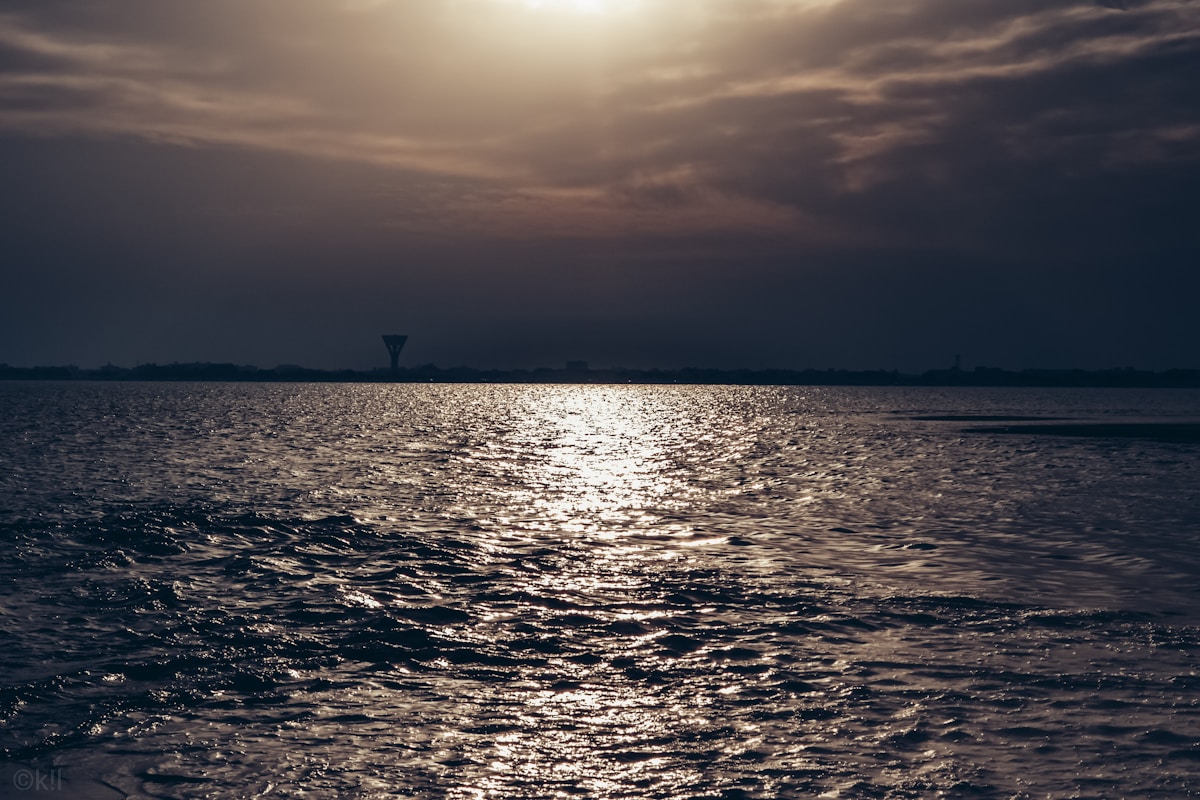
Jubail Island's white-sand beach, Al Fanateer Beach, and the Royal Commission Corniche - a half-day from Dammam with nothing but Gulf horizon.
Guides for Jubail
Jubail sits on the Arabian Gulf coast of Saudi Arabia’s Eastern Province, around 95 kilometres north of Dammam. It is one of the world’s largest planned industrial cities - built from scratch in the 1970s by the Royal Commission for Jubail and Yanbu to house Saudi Arabia’s petrochemical complex. That industrial identity is central to understanding the city: Jubail is not a conventional tourist destination, but it has a Gulf coastline, organised green spaces, and a small but genuine set of things to see.
Jubail at a glance, using the figures covered in this guide:
| Topic | Details |
|---|---|
| Location | Arabian Gulf coast of the Eastern Province, about 95 km north of Dammam |
| Character | Planned industrial city built in the 1970s; the industrial complex is closed to visitors without permits |
| Jubail Island | Protected reserve of mangroves, tidal flats and beaches; no restaurants or vendors, so bring supplies |
| Al Fanateer Beach | Main public beach with parking, toilets and picnic areas; open to families and mixed groups |
| Nearby | Al Khobar 70 km south, Dammam 95 km south |
| Getting there | Car essential; about one hour from Dammam via Highway 5 |
| Best time | October to March; summers exceed 40°C; busiest on Thursday and Friday evenings |
For most travellers based in the Eastern Province, Jubail is a half-day trip from Dammam or Al Khobar - worth adding to an Eastern Province itinerary rather than a destination in isolation.
Official visitor information is available from Visit Saudi, the national tourism board.
Getting Oriented
Jubail divides roughly into the industrial zone to the north and the residential and commercial city to the south. Tourists spend their time in the city and along the coastline - the industrial complex is not accessible to visitors without permits.
The city is well-planned with wide roads and organised public areas - a legacy of its Royal Commission management. Signage is bilingual. The waterfront area around the Corniche and Al Fanateer Beach is the main visitor hub.
Jubail Island
Jubail Island is the most distinctive attraction in the area - a protected coastal reserve with mangroves, tidal flats, and sandy beaches accessible to the public. The island is managed as a nature and recreation area rather than developed for commercial tourism. For more on this, see Things to Do in Jubail.
The beach stretches are clean and relatively uncrowded compared to beaches closer to Dammam. The mangrove areas along the island’s edges support a variety of bird species, making it a worthwhile stop for anyone interested in wildlife. Flamingos are a seasonal visitor - pink flocks are sometimes visible in the shallower tidal areas in winter and spring.
There are basic facilities including parking and picnic areas, but no restaurants or vendors on the island. Bring food, water, and sun protection.
Al Fanateer Beach
Al Fanateer Beach is Jubail’s main public beach - a long stretch of Arabian Gulf coastline with organised facilities including parking, toilets, and picnic infrastructure. The water is calm and shallow, suited to swimming. The beach is particularly busy on weekends and public holidays. Related reading: Where to Stay in Jubail.
Unlike some Saudi beaches, Al Fanateer is open to families and mixed groups. It is one of the better-maintained public beaches in the Eastern Province.
The Royal Commission Corniche
The Corniche runs along the waterfront in the city proper - a landscaped promenade with walking and cycling paths, sea views, and green space. It is a pleasant place to walk in the early morning or evening when temperatures are manageable. The Corniche has food kiosks and a calm atmosphere, used primarily by residents but accessible to visitors.
Day Trips from Jubail
Jubail works well as part of an Eastern Province circuit. Al Khobar (70km south) has the best restaurant selection and waterfront development in the region. Dammam (95km south) has the Half Moon Bay beach complex and the Dammam Corniche. Ras Tanura (further north) has beaches popular with expatriates working in the oil industry. For more on this, see Best Seafood Restaurants in Al Jubail.
Practical Information
Getting there: Car is essential - Jubail has no rail connection and limited public transport. From Dammam, take Highway 5 north along the coast (around 1 hour). From Al Khobar, the drive is similar in time via Dammam.
When to go: October to March is the most comfortable period. Summers are extremely hot (40°C+). The Corniche and beach areas are busy on Thursday and Friday evenings (the Saudi weekend).
Accommodation: Jubail has business hotels catering to the industrial sector - adequate for an overnight stay, but most visitors stay in Dammam or Al Khobar and day-trip. The Intercontinental Jubail is the best-regarded option in the city.
Food: The city has the standard Saudi mix of fast food chains and local Arabic restaurants. The commercial areas near the Corniche have the highest concentration of cafes and dining options.
Jubail has no direct public transport - car hire is the most practical way to reach it from Dammam or Al Khobar and explore the wildlife reserve and beaches independently. Book tours and activities in the Eastern Province through our Jubail tours page.
See Also
- Al Khobar City Guide - the Eastern Province’s best dining hub, 70km south
- Dammam City Guide - the Eastern Province capital, 95km south with Half Moon Bay
- Things to do in Dammam - Ithra Energy Exhibit and Half Moon Bay beach
- Things to do in Al Khobar - King Fahd Causeway and Tarout Island
- Getting Around Saudi Arabia - car hire and Uber options in the Eastern Province
- Red Sea vs Arabian Gulf - understanding Saudi Arabia’s two coastlines
- Best Time to Visit Saudi Arabia - October to March for Gulf coast conditions
Frequently Asked Questions
Is Jubail worth visiting as a tourist?
How do I get to Jubail from Dammam?
What is Jubail Island?
Is Jubail the same as Jubail Industrial City?
Book an experience
Top experiences in Jubail
Explore the best tours and activities in Jubail , with instant confirmation and free cancellation on most bookings.
Book experiences in Saudi Arabia