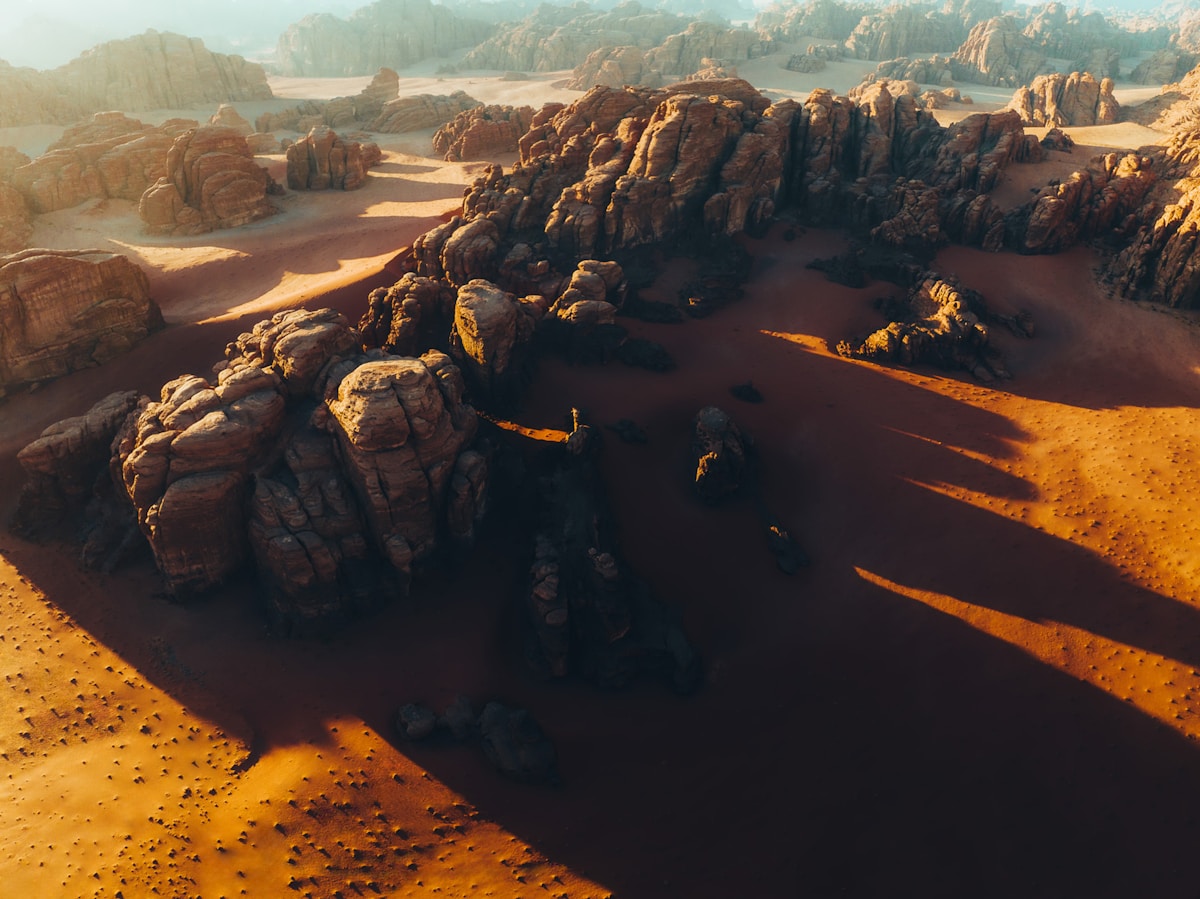
August and July are the hottest months across most of Saudi Arabia. The practical constraints on outdoor tourism are significant - but the country does not pause for summer, and Abha in particular is at its most lively in August with the Abha Summer Festival at its peak. The key fact for those with fixed travel dates: Tabuk and AlUla are virtually empty in August, and discounted hotel rates are available at properties that are fully booked in October.
Search hotels in Saudi Arabia on Booking.com
Riyadh Peaks at 46°C as Abha’s Monsoon Cloud Keeps Temperatures at Bay
| City | Avg High (°C) | Avg Low (°C) | Conditions |
|---|---|---|---|
| Riyadh | 46 | 30 | Hottest month; entire city functions air-conditioned |
| Jeddah | 39 | 28 | High humidity with Red Sea heat; evenings most bearable |
| AlUla | 45 | 28 | Not recommended for outdoor visits; dawn only if essential |
| Abha | 29 | 18 | Abha’s peak domestic season; cloud and occasional rain |
| Dammam | 43 | 31 | Heavy Gulf humidity; the most uncomfortable month in Dammam |
Abha Summer Festival at Peak and Jeddah Season’s Closing Concerts
Abha Summer Festival reaches its peak in August at Asir Cultural Palace and Al Soudah Park. The festival programme intensifies in August - folk performances, the Ardha sword dance, traditional Asiri craft markets, and a range of food stalls representing regional Saudi cuisine. Al Soudah Park at 2,400 metres can see mist and temperatures as low as 20°C even in August. This is the peak domestic tourism month for Abha, with Saudis filling the hotels and the mountain roads active with day visitors. Most festival events are free.
Jeddah Season (final month): August is the last month of the Jeddah Season summer programme. Closing events frequently include headline concerts. Check the official Jeddah Season app for the August finale programme. Tickets for closing concerts from approximately SAR 400 as of 2026 per night; prices vary by event.
Tabuk and AlUla: both destinations are largely empty in August - a stark contrast to their October–March peak. Heritage hotels at AlUla (Habitas, Banyan Tree, Shaden) offer significantly discounted rates. If the purpose is to explore the Hegra site at dawn with very few other visitors, August offers that, with the caveat that the heat makes it a demanding experience.
Abha at Full Domestic Capacity and Discounted AlUla at Dawn: August’s Two Options
Abha is the primary recommendation for August. The Abha Summer Festival, the Al Soudah cable car, and the surrounding village circuit (Rijal Almaa, Al Habala) are all operating at full capacity. The highland climate is genuinely cool by Saudi standards. Stay at the InterContinental Abha - the premium option with mountain views and the best restaurant in the city. Book at least two months ahead. The Asiana Hotel Abha is the mid-range alternative for August if the InterContinental is full.
Jeddah (Jeddah Season and coast focus): the final month of Jeddah Season is a valid reason to visit if specific events are on the programme. Morning Red Sea diving runs early enough to beat the peak sun - dive operators depart at 6am from the Marina area. Stay at the Waldorf Astoria Jeddah (Qasr Al Sharq) for the pool and sea-facing rooms. Eat at Firefly Jeddah on the Corniche in the evenings.
AlUla (budget option with caveats): if a September or October AlUla trip is prohibitively expensive, August offers discounted room rates at Habitas AlUla and Shaden Resort. Dawn visits to Hegra (before 8am) are feasible but demanding. The tourist infrastructure is reduced in August. This is for visitors with a specific budget priority rather than those seeking the best experience.
Riyadh (indoors only): the National Museum and the King Abdulaziz Historical Centre are the anchor indoor cultural options. Stay at the Four Seasons Hotel Riyadh in Kingdom Centre. Eat at Najdi Village Restaurant in Al Nakheel for traditional kabsa - the restaurant serves through the evening and is a reliable choice for a genuine Saudi dining experience.
AlUla Discounts of 40–60% and Other August Planning Essentials
- Book Abha 2 months ahead: August is the peak domestic season; don’t assume availability
- AlUla hotel discounts: prices may be 40–60% lower than October - worthwhile if you can manage a dawn-only outdoor schedule
- Heat safety is at maximum urgency in August: Riyadh regularly exceeds 47°C. Never leave the air conditioning without water; never leave children or pets in a parked car; treat any dizziness or cessation of sweating as an emergency
- Jeddah Season closing events: book as soon as the August programme is published - closing concerts frequently sell out
- October is 6–8 weeks away: if travel dates are at all flexible, the October–November window offers dramatically better conditions for outdoor heritage tourism across the whole country
What to Pack for August: Ultra-Lightweight Fabrics, 2-Litre Water Bottle and Swimwear for the Red Sea
- Ultra-lightweight breathable clothing; avoid synthetics that trap heat
- Sunscreen SPF 50+ (reapply every 90 minutes outdoors)
- Wide-brimmed hat and UV sunglasses for any outdoor exposure
- 2-litre insulated water bottle minimum for outdoor days
- A mid-weight layer for Abha nights (18°C) and Al Soudah altitude
- Swimwear for Jeddah’s Red Sea activities and hotel pools
Whenever you decide to visit, compare flights to Saudi Arabia early for the best fares, browse Tours in Jeddah to plan activities around the season, and protect the trip with travel insurance.
See Also
- Best Time to Visit Saudi Arabia
- Abha City Guide - peak domestic season for the Asir highlands
- Abha and the Asir Region activities - Al Soudah cable car, Rijal Almaa and highland villages
- Jeddah City Guide - Red Sea coast and Jeddah Season finale events
- Is Saudi Arabia Safe? - heat safety context for summer travel
- Visiting Saudi Arabia in July
- Visiting Saudi Arabia in September
Plan Your Trip
✈️ Book your flights to Saudi Arabia 🛡️ Get travel insurance 📱 Stay connected with an eSIM 🚗 Rent a car