For a full overview of all seasons, see our best time to visit Saudi Arabia guide.
January is one of the best months to visit Saudi Arabia - temperatures are comfortable across the country, two of the Kingdom’s most distinctive events are running simultaneously, and the heritage sites at AlUla and Diriyah are fully open. The one key fact: this is peak season, and accommodation at AlUla and Diriyah fills fast. Book at least 6–8 weeks ahead.
Search hotels in Saudi Arabia on Booking.com
Riyadh 20°C, Jeddah Warm, Abha Cool: January’s Regional Spread
| City | Avg High (°C) | Avg Low (°C) | Conditions |
|---|---|---|---|
| Riyadh | 20 | 9 | Dry, sunny, occasional morning fog; cool evenings |
| Jeddah | 26 | 18 | Warm coastal climate; pleasant Red Sea breezes |
| AlUla | 20 | 6 | Sunny days; very cold overnight - frost possible |
| Abha | 16 | 5 | Coolest major city; cold nights, clear days |
| Dammam | 22 | 11 | Similar to Riyadh; comfortable Gulf coast conditions |
Winter at Tantora Peaks: Camel Festival, Diriyah Season and Maraya Concerts Overlap
King Abdulaziz Camel Festival runs throughout January in the Al Dahna desert near Buraydah, Al-Qassim region. This is one of the world’s largest camel events - camels are judged on beauty (head shape, neck length, lip size), with prize money in the hundreds of millions of riyals. The festival grounds include a large camel market where buying and selling takes place alongside the competitions. Entry to the festival is free. The scale is extraordinary: tens of thousands of camels, hundreds of competing tribes, and a surrounding village of tents selling traditional food and craft. Book transport from Riyadh - Buraydah is approximately 3.5 hours by road - and accommodation in Buraydah at least one month ahead.
Diriyah Season runs through January at various venues within the Diriyah historic district on the western edge of Riyadh. The season combines international concerts, heritage exhibitions, and food events against the UNESCO-listed mud-brick architecture of At-Turaif. Tickets for individual events range from approximately SAR 50 as of 2026 for cultural events to SAR 500 for headline concerts. Check the Diriyah Season official channels for the current programme - events are updated weekly.
Winter at Tantora (AlUla): The cultural festival continues through January at Maraya Concert Hall and across the AlUla valley. Maraya - the world’s largest mirrored building - hosts world music concerts and arts events against the backdrop of the Nabataean sandstone landscape. Tickets for concerts are available via alula.events, from approximately SAR 200 to SAR 800 depending on the artist. The festival runs January through March.
Riyadh Season continues through January at Boulevard World and other entertainment districts across the capital. Expect live performances, exhibitions, and theme park events.
AlUla, Riyadh and Jeddah: January’s Peak Triumvirate
AlUla is the top January pick - the combination of Winter at Tantora events and ideal temperatures for Hegra visits makes this the best month of the year for Saudi Arabia’s most spectacular heritage site. Stay at Habitas AlUla, a camp-style resort set among sandstone formations in the Ashar Valley, for the best access to the landscape. Eat at the resort’s own restaurant or at Maraya Social, adjacent to the concert hall, which serves contemporary Saudi-influenced dishes. Book Hegra guided tours through our AlUla tours page - access to the Nabataean tombs requires a booked tour.
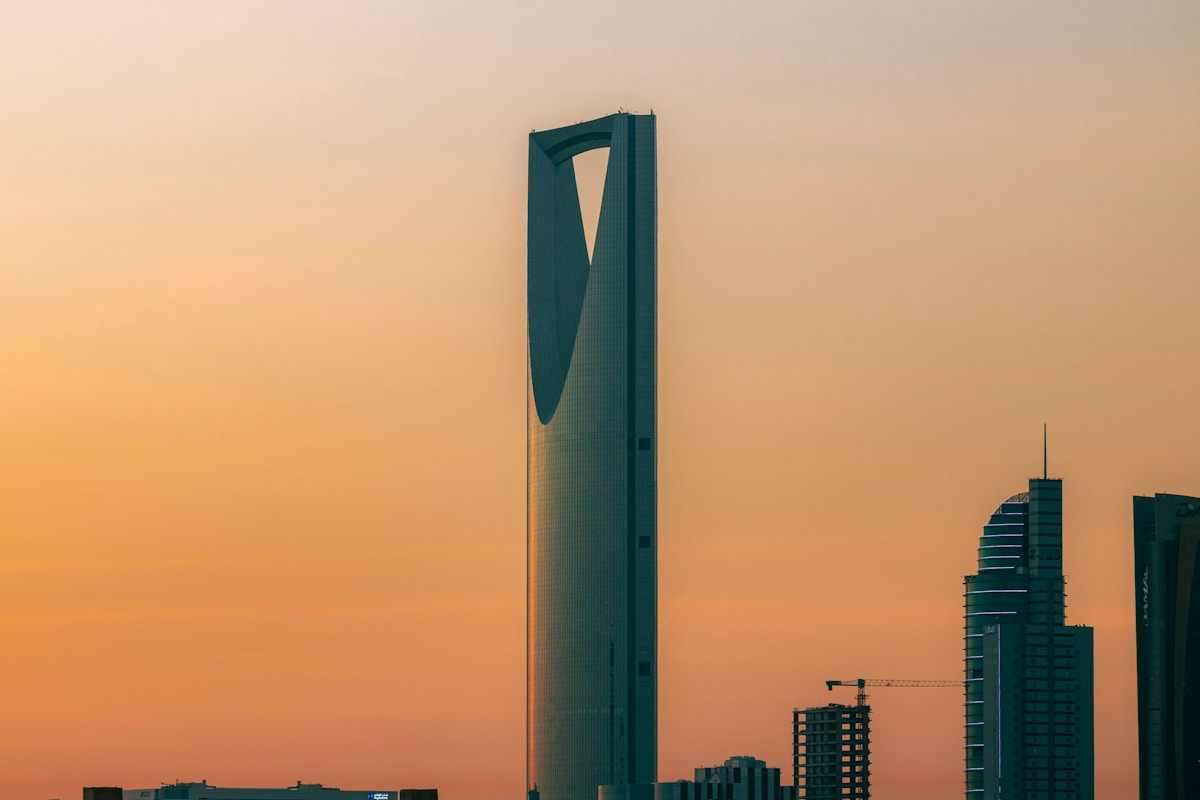
Riyadh is excellent for urban culture in January - the Diriyah Season is active and the city’s museums and souks are all comfortable in these temperatures. Stay at the Four Seasons Hotel Riyadh in Kingdom Centre for a central location with views over the city. For dinner, Najdi Village Restaurant in Al Nakheel serves traditional Saudi kabsa in a setting designed around Najdi architectural details - a reliable choice for experiencing local cuisine.
Jeddah offers the warmest January conditions on the coast - 26°C days make the Al-Balad historic district and Corniche promenade genuinely pleasant. Stay at the Park Hyatt Jeddah on the Marina for sea views and easy access to the waterfront. Eat at Al-Nakheel on the Corniche, the city’s best-known fish market restaurant, where you pick your fish from the counter and it is cooked to order.
Abha rewards visitors who want to see Saudi Arabia’s mountain scenery in cooler conditions - 16°C days are genuinely fresh and the highland landscape is clear of summer cloud. Stay at the InterContinental Abha for the best views over the Asir valley.
Red Sea Diving Season Peaks: Yanbu and NEOM at Ideal Water Temperatures
January is the peak month for Saudi Arabia’s northwest Red Sea coast. Air temperatures in the Tabuk–NEOM corridor sit at 18–22°C, water temperatures are 24–26°C, and visibility underwater is at its annual best. The combination makes January the finest diving month in the Saudi Red Sea — a reef system that has had significantly less diver pressure than Egypt’s Sinai or Jordan’s Aqaba.
Red Sea Global resorts (Shura Island): The St. Regis Red Sea Resort and Nujuma, a Ritz-Carlton Reserve on Shura Island (near Al-Wajh, approximately 220 km south of Tabuk) are the flagship openings of Red Sea Global’s resort development zone. The island chain sits within a protected marine area; resort guests access it by seaplane or speedboat transfer from the mainland. These are remote, self-contained properties — guests spend 3–5 nights on-island rather than using them as a base for day trips. Search Red Sea resorts for current availability; January is peak season and these properties fill early.
Sindalah (NEOM): NEOM’s Gulf of Aqaba marina island is accessible from the Neom Bay area — check NEOM’s official channels for current visitor access arrangements. The Gulf of Aqaba coastline in this area offers some of the most dramatic mountain-meets-sea scenery in the Middle East, with the Hejaz mountains descending sharply to the water. Search accommodation near NEOM for options in the Tabuk–NEOM corridor.
Hegra, Dadan and Diriyah: Best Conditions of the Year for Open-Air Archaeology
January is the ideal month for the Kingdom’s major archaeological sites. The combination of cool temperatures, low crowds (relative to the December–February peak at AlUla specifically), and long clear days makes extended site touring comfortable in ways impossible from April through October.
Hegra (Madain Saleh) in AlUla: Saudi Arabia’s first UNESCO World Heritage Site contains over 100 Nabataean rock tombs carved directly into free-standing sandstone formations — a scale and drama that surpasses Petra in Jordan for open-landscape impact. Guided tours are mandatory and depart from the AlUla Visitor Centre. Tours run approximately 2.5 hours; book via the AlUla Experience app or our AlUla tours page at least one week ahead in January. The morning light from 8–10am is the most photogenic time on the tomb facades.
Dadan and Jabal Ikmah: Less visited than Hegra but immediately adjacent to AlUla Old Town, Dadan contains pre-Nabataean Dadanite and Lihyanite tombs and inscriptions dating to around 900 BCE. The inscribed rock face at Jabal Ikmah — an outdoor library of thousands of ancient inscriptions in Dadanite, Lihyanite, Nabataean, and Minaic scripts — is one of the most significant epigraphic sites on the Arabian Peninsula. Access is via the AlUla Visitor Centre; combined Dadan/Jabal Ikmah tours run approximately 2 hours. Budget a second day in AlUla specifically for these sites.
Diriyah (At-Turaif): The UNESCO-listed mud-brick complex on the western edge of Riyadh is Saudi Arabia’s most historically significant site — the birthplace of the first Saudi state in the 1720s. The site is best toured in January morning hours (9–12am) before afternoon crowds arrive from Riyadh Season events. The Al-Bujairi heritage quarter, across the wadi from At-Turaif, has several good lunch options including Najd Village for traditional Saudi cuisine and Takya for a more contemporary Saudi dining experience.
Thumamah, Wadi Disah and Al Wahbah Crater: Peak Desert Camping Conditions
The Thumamah area (northeast of Riyadh, approximately 50 km) is the most accessible desert camping zone from the capital. Several operators offer evening bonfire experiences and overnight camping for approximately SAR 200–400 per person — practical for Riyadh-based travellers. January nights here drop to 8–10°C; a fleece and a sleeping bag rated to 5°C are adequate.
Wadi Disah (Tabuk region): the canyon system offers dramatic sandstone walls up to 200 metres high. Self-drive access is via Highway 70 from Tabuk; overnight camping within the canyon requires warm gear as temperatures can drop to 2–4°C before dawn. The drive from Tabuk is approximately 90 minutes. The canyon floor is sandy and accessible in a 4WD; a standard SUV is adequate in dry conditions.
Al Wahbah Crater: the 2 km-wide volcanic crater northeast of Taif contains a salt flat floor with striking white hexagonal crystal formations. December through February are the only months when the descent (steep, no shade) is comfortable. Self-sufficient camping on the crater rim is possible; drive time from Taif is approximately 4 hours. No facilities on-site — carry all water and fuel.
Booking AlUla 6–8 Weeks Ahead and Other January Essentials
- Book AlUla accommodation 6–8 weeks ahead - Habitas AlUla, Banyan Tree AlUla, and Shaden Resort are frequently fully booked through January’s festival season
- Camel Festival transport: rent a car from Riyadh or book a guided day trip - public transport to Buraydah is limited
- Cold evenings are real: Riyadh drops to 9°C at night; AlUla can see frost before dawn - pack a mid-weight jacket and a thermal layer for early morning Hegra visits
- Diriyah Season tickets: book through the official Diriyah Season app at least 1–2 weeks ahead for popular events; some events sell out within hours of release
- Ramadan falls approximately 11 days earlier each year on the Gregorian calendar. Verify whether Ramadan overlaps with your January travel - in some years it may begin in late January. See our practical guide for what to expect.
What to Pack for January: Warm Layers for AlUla Nights and Modest Coverage for Heritage Sites
- Light layers for daytime (a t-shirt is fine in Riyadh at 20°C)
- Mid-weight jacket for evenings in Riyadh and Jeddah
- Warm jacket and thermal layer for AlUla and Abha (cold nights, early morning heritage visits)
- Comfortable walking shoes for cobbled Diriyah and sandy AlUla sites
- Sunscreen SPF 30+ (UV is still significant even in winter)
- Modest clothing for heritage sites and public areas - shoulders and knees covered
See Also
- AlUla 3-day itinerary - how to plan Hegra, Elephant Rock and the old town
- Riyadh city guide - what to see and where to stay in the capital
- Jeddah city guide - Al-Balad and the Red Sea Corniche
- Abha city guide - the Asir highlands in January
Plan Your Trip
✈️ Book your flights to Saudi Arabia 🛡️ Get travel insurance 📱 Stay connected with an eSIM 🚗 Rent a car