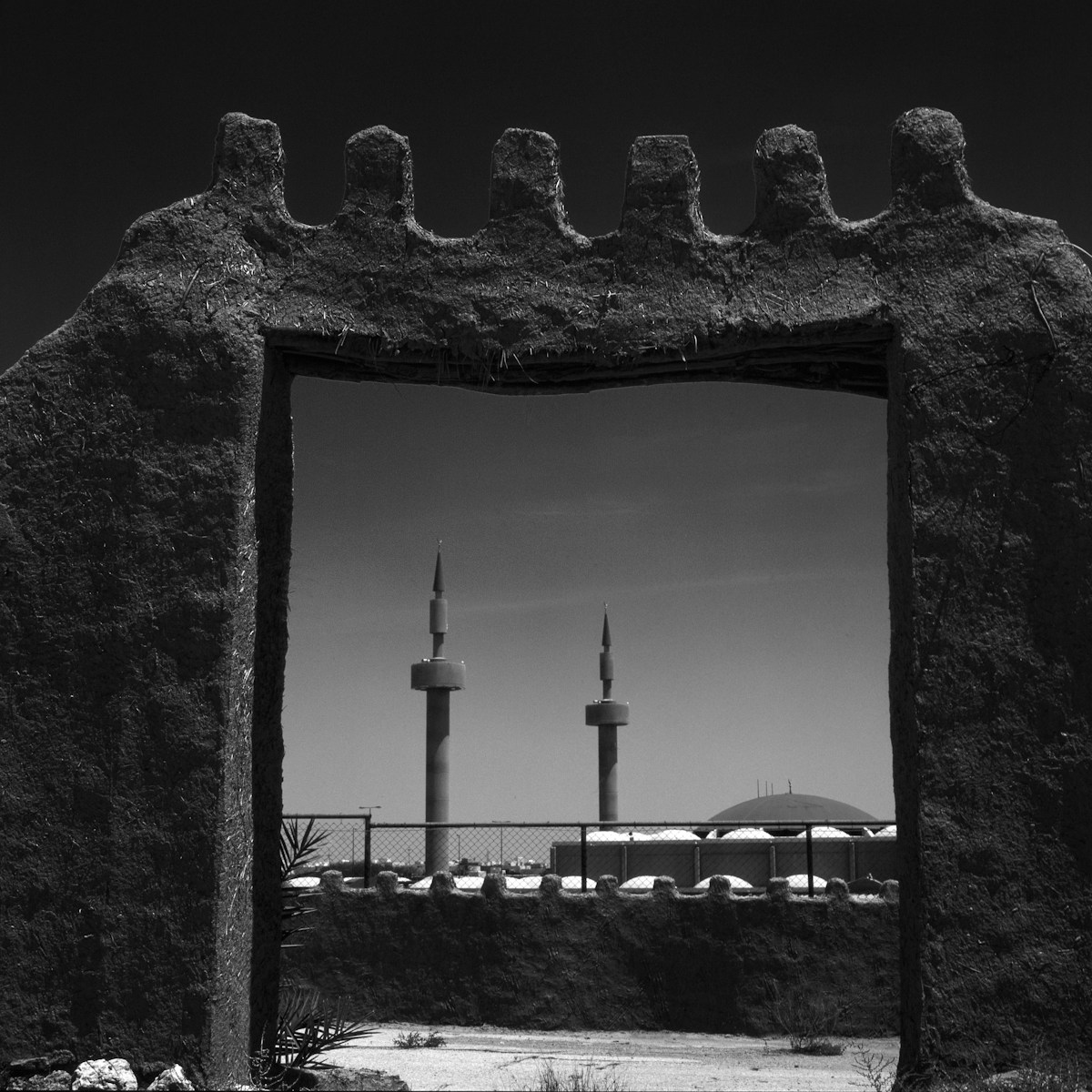
Saudi Arabia has transformed from a destination seen as inaccessible to one of the most compelling new stops on the long-haul circuit. Tourist visas are now straightforward, the infrastructure is world-class, and costs - once you understand how the system works - are far more manageable than most travellers expect. This guide breaks down what you’ll actually spend in Riyadh, Jeddah, and AlUla as of 2026.
Daily Budget Overview
| Tier | Per Day (SAR) | Who It Suits |
|---|---|---|
| Budget | SAR 200–280 | Hostels, local restaurants, metro, one paid attraction |
| Mid-Range | SAR 450–700 | 3-star hotels, mix of local and international dining, Uber, guided tours |
| Luxury | SAR 1,500–3,000+ | 5-star Riyadh or AlUla resorts, fine dining, private tours |
Exchange rates fluctuate; the Saudi Riyal (SAR) is pegged to the US dollar at approximately SAR 3.75 to USD 1 as of 2026.
Accommodation Costs
Riyadh has the widest range. Budget hostels and guesthouses start from approximately SAR 80–130 per night. Mid-range three-star hotels run approximately SAR 280–450, while top-end properties at KAFD or near the Kingdom Tower cost SAR 800–2,000+ per night.
Jeddah is broadly similar to Riyadh. Al-Balad (the UNESCO historic district) has a handful of boutique guesthouses from approximately SAR 180–350 per night. Business hotels near the airport or waterfront start around SAR 300.
AlUla is the most expensive destination in the country. The luxury eco-camp and resort scene starts at approximately SAR 1,200 per night and rises steeply from there. Budget options are genuinely limited - most travellers either splurge or do AlUla as a day trip from Medina or on an organised tour that includes accommodation.
Practical tip: Book weekend nights (Thursday and Friday) early. Riyadh hotels surge significantly on weekends when domestic travellers fill the city.
Search hotels in Saudi Arabia on Booking.com
Food Costs
Saudi food is exceptionally good value if you eat where locals eat.
Budget eating (SAR 15–40 per meal): A chicken or lamb shawarma from a street-side shop costs approximately SAR 10–20. A full rice-and-meat plate (kabsa, mandi, or jareesh) at a local canteen-style restaurant runs approximately SAR 25–40. Fresh juices cost SAR 8–15.
Mid-range dining (SAR 50–120 per meal): A proper sit-down meal at a clean Saudi restaurant with a full spread - mezze, grills, bread, and dessert - costs approximately SAR 50–80 per person. International cuisine (Lebanese, Indian, Turkish, Western) in a decent setting runs SAR 70–120 per person.
Upscale dining (SAR 150–400+ per person): High-end restaurants in Riyadh’s Diriyah district, the Kingdom Centre food hall, or the fine dining scene in Jeddah start at approximately SAR 150 per head and scale up considerably for tasting menus or private dining experiences.
Free tip: Ramadan significantly changes dining - most restaurants close during daylight hours, but Iftar buffets after sunset are extraordinary value, often SAR 60–100 per person for a huge spread.
Transport Costs
Riyadh Metro
One of the best deals in the country. A single journey costs approximately SAR 4–10 depending on zones. A day pass runs approximately SAR 20–25. The Metro now covers the main visitor sights: the Kingdom Centre, KAFD, and King Fahd Road corridor.
Ride-Share (Uber/Careem)
A typical cross-city trip in Riyadh costs approximately SAR 20–50. Jeddah is smaller and cheaper for cross-city trips, usually SAR 15–35. Surge pricing applies during prayer times and late on weekend evenings.
Intercity Flights
Saudi Arabia is large - Riyadh to Jeddah is nearly 1,000km. Budget airlines (flyadeal, flynas) offer intercity flights from approximately SAR 99–250 each way booked in advance. Full-service carriers are SAR 300–600+.
Road Trips and Car Rental
Petrol is extremely cheap by global standards - approximately SAR 0.45–0.55 per litre as of 2026. A compact car rental starts at approximately SAR 100–180 per day through major agencies; four-wheel drives for desert areas run approximately SAR 250–400 per day. Toll roads (Salik-style systems on some highways) add a small additional cost.
Bus (SAPTCO)
The national bus network connects major cities for approximately SAR 60–180 per journey depending on distance. Comfortable but slower than flying.
Key Attraction Costs
Free: Friday prayers at major mosques (non-Muslims can visit many, check local rules), Al-Balad historic district in Jeddah, corniche walks in Jeddah, Riyadh, and Dammam, Edge of the World viewpoint (you pay for a 4WD tour though - see below), most public parks.
Paid:
- Diriyah (At-Turaif UNESCO site): approximately SAR 95 per person as of 2026
- Hegra / Mada’in Saleh (AlUla): approximately SAR 150–200 per person for a heritage pass
- National Museum Riyadh: approximately SAR 20 per person
- AlUla 4WD desert tours: approximately SAR 350–700 per person
- Edge of the World guided tour: approximately SAR 200–400 per person
Money-Saving Tips
1. Eat at the bakala (convenience stores) and local juice shops. Breakfast of bread, labneh, and juice costs under SAR 20.
2. Use the Riyadh Metro aggressively. Traffic is genuinely bad and Uber surge can hurt budgets - the Metro skips all of that.
3. Book AlUla flights early. AlUla (IATA: ULH) has flights from Riyadh for approximately SAR 150–300 return when booked a month out. This makes AlUla viable as a two-night trip without the extreme resort prices if you camp or use a cheaper guesthouse in the nearby town.
4. Visit national parks independently. Asir National Park and Hisma Desert can be visited with a rented car and basic planning for far less than an organised tour. Entrance fees are low (approximately SAR 10–30 per person).
5. Travel mid-week. Prices drop noticeably Monday through Wednesday at hotels across all cities.
6. Use the Nusuk app. The official government tourism app offers discounts and bundled tickets to major heritage sites.
7. Avoid AlUla resort accommodation. A budget alternative is to base yourself in nearby Al Ula town (budget guesthouses from approximately SAR 120–200 per night) and take day tours to Hegra and Dadan.
Free and Low-Cost Things to Do
- Jeddah Al-Balad: The UNESCO historic district’s coral townhouses and old souks are free to walk. A few museums inside charge approximately SAR 10–20.
- Riyadh Boulevard: A massive entertainment district with public areas, fountains, and free outdoor events. Some attractions inside are ticketed.
- Corniche walks: All three coastal cities (Jeddah, Dammam, Al Khobar) have long free promenades along the water.
- Riyadh public parks: King Abdullah Park, Al Murabba Palace exterior, and numerous neighbourhood parks are free.
- Mosque visits: Many mosques welcome non-Muslim visitors during non-prayer times - ask politely or check the Nusuk app for confirmed open-to-visitor sites.
- Desert viewpoints: Many dramatic desert landscapes in the northwest and Asir regions require only a car rental, not a paid tour.
City-by-City Snapshot
Riyadh
Most expensive for accommodation, but the Metro keeps daily transport costs down. Budget daily total approximately SAR 220–260 with careful spending.
Jeddah
Slightly cheaper for accommodation than Riyadh. Street food scene is excellent. Al-Balad is entirely free to explore. Budget daily total approximately SAR 190–240.
AlUla
No budget option exists here unless you stay in the town rather than the resorts. Expect to spend SAR 600–1,200+ per day if staying at any of the eco-lodges. Day-trip from Medina: add approximately SAR 400–600 for a day tour on top of your Medina accommodation.
Saudi Arabia rewards the traveller who does their homework. The expensive reputation mostly applies to luxury resorts and organised adventure tours - the underlying costs of food, transport, and local culture are genuinely competitive with other Middle Eastern destinations.
For the transport leg, compare flights to Saudi Arabia early to lock in lower fares, factor in travel insurance as part of your budget, and consider car hire if you plan to cover multiple regions independently.
See Also
- Flights to Saudi Arabia - how to find cheap fares into Riyadh and Jeddah
- Getting Around Saudi Arabia - domestic flights, train, and car hire costs
- Saudi Arabia Visa Guide - eVisa cost and what’s included
- Saudi Arabia eSIM - cheap data options for budget travellers
- First Time in Saudi Arabia - what to know before you book
- 1 Week in Saudi Arabia - Riyadh, AlUla, and Jeddah with budget breakdowns per tier
- Solo Travel in Saudi Arabia - daily budget guidance and money-saving tips
Plan Your Trip
✈️ Book your flights to Saudi Arabia 🛡️ Get travel insurance 📱 Stay connected with an eSIM 🚗 Rent a car