Al Ahsa Oasis Guide: Hofuf, Palm Groves & UNESCO Sites
Al Ahsa oasis in Saudi Arabia's Eastern Province: UNESCO palm groves, Hofuf's souq and palace, Al Qarah caves, plus how to get there by train.
Guides for Al Ahsa
Al Ahsa (also spelled Al-Hasa or Al-Ahsaa) is the largest date-palm oasis in the world, and one of the few places in Saudi Arabia where water, not oil, built the city. Millions of palms grow around natural springs in the Eastern Province, with the twin towns of Hofuf and Al Mubarraz at the centre. UNESCO inscribed the Al-Ahsa Oasis as an evolving cultural landscape in 2018, and the UNESCO listing covers the gardens, springs, canals, historic buildings and the limestone outcrops of Jabal Al Qarah. Yet it still sees a fraction of the visitors that Riyadh, Jeddah or AlUla draw, which makes it one of the more rewarding stops on a Saudi trip.
For the full list of sights with practical detail, see our things to do in Al Ahsa guide. This page covers the big picture: what the oasis is, how to reach it and where it fits into a wider route.
Why Al Ahsa Is on the UNESCO List
The oasis has been farmed for thousands of years, and artesian springs still irrigate the groves through a network of canals and drainage channels. The listing recognises that living agricultural system together with the built heritage it produced: Ottoman-era fortifications, mosques, wells, markets and the old quarters of Hofuf. Visitors tend to expect a single monument. What you actually find is a landscape you move through, one grove, spring and souq at a time.
The numbers are large. Local sources put the oasis at roughly 2.5 million palms, and Al Ahsa is best known for Khalasah dates, which are widely regarded as among the best in the Kingdom. If you have eaten Sukkari-style dates in a Dammam restaurant, there is a fair chance they came from here.
The Main Sights at a Glance
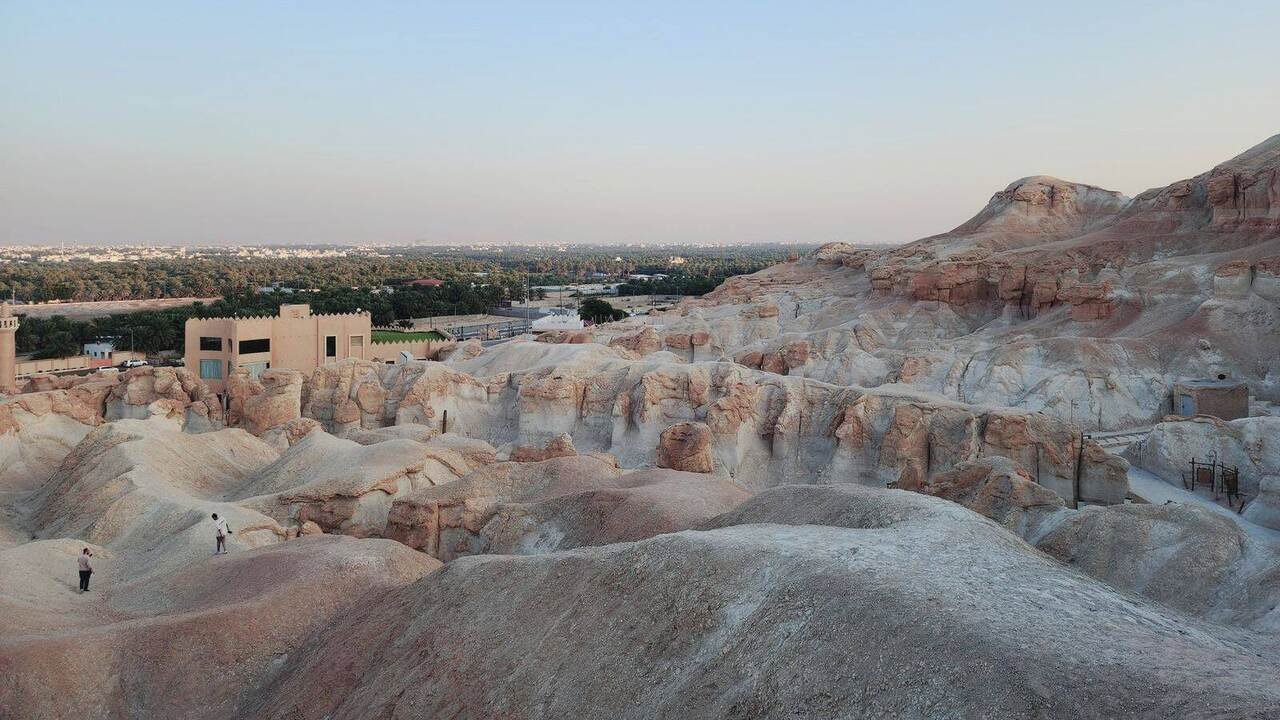
Jabal Al Qarah (Al Qarah Mountain). Wind-carved limestone hills a short drive from Hofuf, with cave passages that stay noticeably cooler than the air outside. Go in the morning, wear shoes with grip and bring water. Guides are worth having because paths are not marked.
Ibrahim Palace. A 16th-century Ottoman-era fortress-palace in Hofuf, reported to date from 1571, historically used as a garrison and prison. Its domed mosque is still in use. Confirm opening hours locally before you go, as they have changed in recent years.
Qaisariah Souq. One of the oldest covered markets in the Kingdom, with a reported founding date of 1822 and hundreds of small shops in a maze of lanes. Expect spices, dates, bisht cloaks, perfume oils, copperware and woven goods. Late afternoon and evening are busiest.
Springs and groves. Ain Najm, once known for its hot springs, is now a park, and several groves welcome visitors for tea and fresh dates in season. The palm-lined irrigation channels are the most photogenic part of the oasis.
Yellow Lake and Uqair Beach. Both are outside the main oasis, and both are easier with a local driver or guide. The Yellow Lake (Asfar Lake) is reached by 4x4, with little mobile signal on the approach. Uqair is a Gulf-side beach town with a historic port, with shallow water and rocky patches, so water shoes help.
Getting to Al Ahsa
By train. The Saudi Arabia Railways (SAR) East line runs between Riyadh and Dammam via Hofuf, so Al Ahsa is on the main rail corridor. Journey times and fares vary by service and class, and published figures differ between sources, so check sar.com.sa for the current timetable before you plan. Our getting around Saudi Arabia guide explains how SAR booking works. Hofuf station is outside the old centre, so allow a taxi or ride-hailing transfer to your hotel.
By road. Hofuf is roughly 150 km from Dammam and Al Khobar, and several hours by road from Riyadh. If you want to cover the oasis, Jabal Al Qarah and Uqair in one trip, a hire car or private driver saves a great deal of time, because public transport inside the oasis is thin.
From Bahrain. Travellers based in Manama sometimes ask about a day trip. It is doable via the King Fahd Causeway, but the border crossing and the drive make for a very long day. A cleaner approach is to cross to the Eastern Province, overnight in Dammam or Al Khobar, and take the train or a drive to Hofuf the next day. Our Dammam guide covers that side of the causeway.
Where to Stay
Hofuf and Al Mubarraz have the widest choice of business hotels, serviced apartments and a few farm-style guesthouses near the groves. We do not name specific properties here because availability changes, so search hotels in Al Ahsa on Booking.com and filter by guest rating and distance from Hofuf centre. Staying in Hofuf puts you within a short drive of the souq and palace, which matters in the evening heat. If you would rather have a bigger choice of restaurants, the Dammam and Al Khobar area is a 90 minute to two hour drive away. For a district-by-district breakdown, see our where to stay in Al Ahsa guide.
Food and Dates
Dates are the headline product, and you can buy them straight from groves and shops in the souq. Look for Khalasah, and ask for fresh (rutab) fruit during the season. In Hofuf, local cooking leans on rice and meat dishes shared from a large platter, along with dates served with Arabic coffee. For wider Eastern Province food, see our Dammam food guide.
Planning and Etiquette
Dress modestly in the souq and at mosques; women should carry a headscarf for religious sites. Ask before photographing people, especially women and shopkeepers. Summer afternoons are punishingly hot, so we plan outdoor stops for early morning and sunset. For official tourism information, see Visit Saudi.
If you prefer a guided day, browse Al Ahsa tours for private drivers and oasis itineraries. Availability is limited compared with bigger cities, so book ahead and check what each tour actually covers.
Where Al Ahsa Fits in a Wider Route
For a desert leg, our Empty Quarter guide explains how the Rub al Khali can be reached from the east and why Shaybah is not a tourist stop.
Al Ahsa works well as a one-night stop between Riyadh and the Gulf coast, or as an add-on to a Dammam and Al Khobar stay. Pair it with the Energy Exhibit at Ithra and the Corniche for a balanced Eastern Province trip: heritage and oasis life inland, modern Gulf cities on the coast. Our Jubail guide covers the northern part of the same coastline.
Frequently Asked Questions
What is the Al Ahsa oasis?
Where is Al Ahsa and how do you get there?
How many days do you need in Al Ahsa?
What is the best time to visit Al Ahsa?
Can you visit Al Ahsa as a day trip from Bahrain?
Book an experience
Top experiences in Al Ahsa
Explore the best tours and activities in Al Ahsa , with instant confirmation and free cancellation on most bookings.
Book experiences in Saudi Arabia