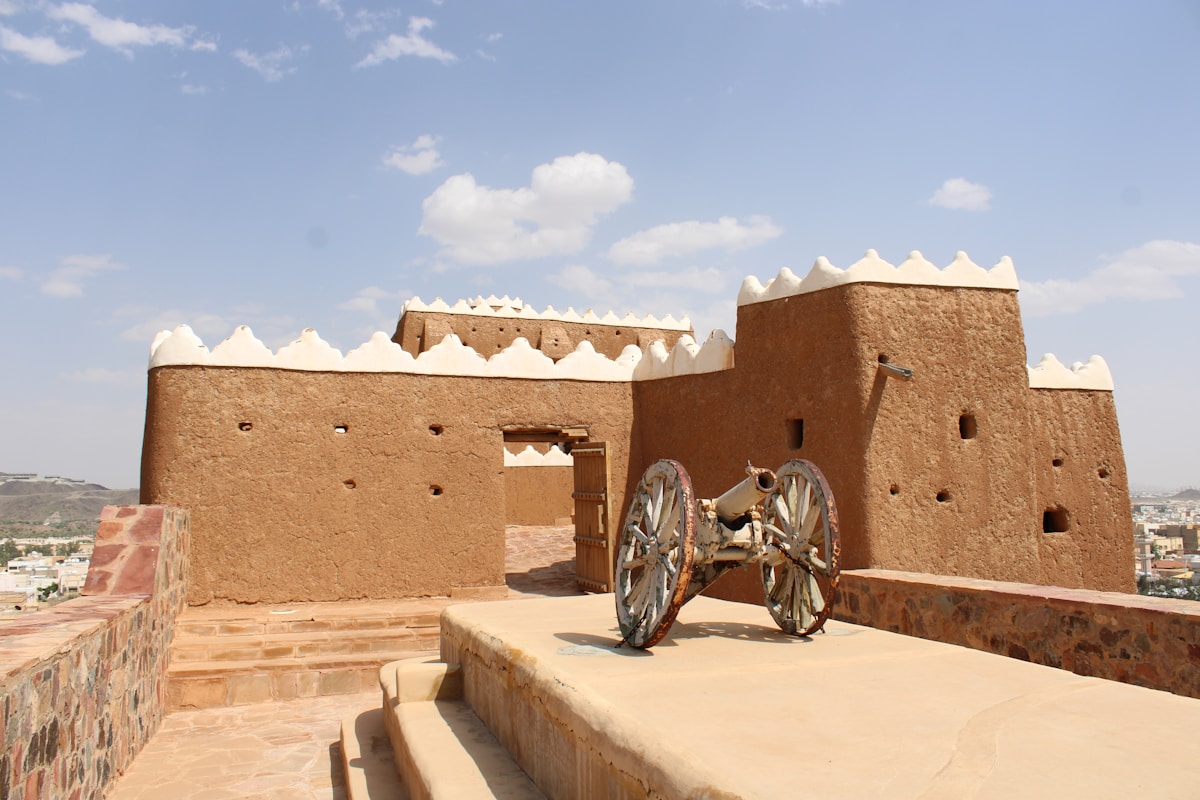
Ha’il is one of Saudi Arabia’s most historically significant and visually distinctive cities - the former seat of the Rashidi emirate, set against the Aja and Salma mountains of the Shammar range, and the gateway to some of the most ancient rock art in Arabia. Tourism infrastructure is developing but remains far less developed than Riyadh, AlUla, or Jeddah. The reward is authentic access to landscapes and sites that see relatively few international visitors.
Jubbah Rock Art (UNESCO World Heritage Site)
Jubbah - approximately 90 kilometres north of Ha’il city on a paved road - contains one of the most extraordinary concentrations of prehistoric rock art in Arabia. The site at Jabal Umm Sanman and Jabal al-Manjor preserves thousands of petroglyphs and engravings dating from approximately 10,000 years ago through the Islamic period. Animals (ibex, horses, camels, dogs), human figures, hunting scenes, and early scripts are carved across the sandstone outcrops.
The site was designated a UNESCO World Heritage Site in 2015 (part of the Hima Cultural Area listing alongside Shuwaymis). A visitor centre provides context and maps of the main carving concentrations. Entry fee is approximately SAR 25 as of 2026. Opening hours approximately 8am–5pm.
See our Jubbah rock art guide for detailed site information. A guided tour from Ha’il city (approximately SAR 250–400 per person as of 2026) provides transport and expert commentary on the petroglyphs - recommended given how much the carvings benefit from knowledgeable interpretation.
A’arif Fortress (Qal’at Aarif)
The A’arif Fortress dominates the rocky hill above Ha’il’s old centre. Built in the Rashidi period (the emirate that controlled Ha’il and northern Arabia from the 1830s until the Saudi unification in 1921), the fortress is partially restored and open to visitors. A steep path winds up the hillside - the climb takes approximately 20–30 minutes and involves some rough terrain underfoot. The summit provides an exceptional panorama: the city below, the Aja mountain range behind, and the desert stretching north.
The fortress interior contains restored rooms and some display materials covering Rashidi history. Entry is generally free. The site is most rewarding at sunrise or late afternoon when the light on the stone towers and mountain backdrop is at its best.
Ha’il Regional Museum
The Ha’il Regional Museum in the city centre covers the archaeological and historical heritage of the Hail region - from prehistoric human settlement through the ancient trade routes, Nabataean and Thamudic periods, and the Rashidi emirate. Well-produced galleries with archaeological artefacts from Jubbah and other Hail region sites.
Opening hours approximately 8am–6pm Sunday–Thursday. Entry is free. Allow 1.5–2 hours for a thorough visit. English labelling is available on key exhibits.
Aja and Salma Mountains
The Aja and Salma mountains that frame Ha’il city provide dramatic desert highland scenery. Aja rises to approximately 1,500 metres and offers several hiking routes accessible from the city’s eastern edge. The mountain terrain is rocky and can be hot outside winter months (November–March). No established trail infrastructure exists beyond basic paths; local guides familiar with the routes are advisable for anything beyond the lower slopes.
The Aja mountain ridge view of Ha’il at dusk - city lights coming up as the sky turns orange over the Nefud Desert to the northwest - is one of the more memorable landscapes in central Arabia.
Shuwaymis Rock Art Site
Shuwaymis - approximately 280 kilometres southwest of Ha’il, in the Hail Province - is the second major rock art site in the region, also part of the UNESCO Heritage listing. The Shuwaymis carvings are less visited than Jubbah and require a guided excursion with 4WD transport (the approach road is unpaved). The site contains significant Neolithic and Bronze Age carvings, including some of the earliest depictions of domesticated cattle and hunting dogs in Arabia. A full-day excursion from Ha’il.
Ha’il Date Festival
The Ha’il Date Festival - held annually in September - celebrates the region’s date harvest with date tasting, cultural performances, camel races, and displays of traditional crafts. Ha’il Province produces dates known for quality across the Kingdom. The festival draws visitors from across Saudi Arabia and is one of the more accessible traditional cultural events on the Saudi calendar. Check the current year’s dates and venues via the Saudi Tourism Authority at visitsaudi.com.
Nefud Desert Camping
The Nefud Desert - the great sand sea that begins north of Ha’il - offers overnight camping experiences in red dune landscapes that few international visitors ever see. Several Ha’il operators offer guided desert camps (approximately SAR 250–450 per person including dinner and breakfast as of 2026) with 4WD transport from the city. The dune colours in the Nefud - deeper red than the Rub’ al Khali in the south - are distinctive, and night skies in the desert here are extraordinary. Book through Ha’il tour operators.
Getting Around Ha’il
Ha’il city is navigable by taxi and Careem. For sites outside the city (Jubbah, Shuwaymis, the Nefud Desert), a rental car or organised tour is required. Car hire at Ha’il airport starts from approximately SAR 150–200 per day for standard vehicles as of 2026. See the Ha’il city guide for accommodation and practical information.
Search hotels in Hail on Booking.com
See Also
- Jubbah rock art guide - detailed guide to the UNESCO petroglyphs site
- Hail City Guide - accommodation, food, and practical planning for the region
- Ha’il where to stay - hotels and guesthouses in the city
- Desert camping in Saudi Arabia - Nefud and the Empty Quarter camping compared
- Getting around Saudi Arabia - how to reach Ha’il from Riyadh
- Buraydah City Guide - the Camel Festival city, 300km south of Ha’il