Taif sits at approximately 1,800 metres in the Hejaz highlands, 80 kilometres southeast of Mecca. The altitude gives it a climate that Jeddah and Mecca cannot match - cooler evenings, fresh air, and the terraced rose gardens that produce the rose water and oud oil the city is famous for. The food here draws on the same Hijazi tradition as Jeddah and Mecca, with a strong grilled meat culture reflecting the region’s pastoral highland identity.
What Taif Is Known For
Rose Products in Food
Taif’s roses are famous across the Arab world - the city produces a significant portion of the world’s rose water and rose oil. What is less widely known outside the city is how thoroughly the rose pervades local food culture.
Rose water flavours sweets, drinks, and some rice dishes. The most direct taste is in ward tea - tea brewed with dried rose petals, available at traditional cafes throughout the city for approximately SAR 5 as of 2026–15 per pot. At the rose festival season (roughly March to April), fresh rose petal drinks appear at market stalls.
Rose jam (maraba ward) is a local product sold in the souk and at farm shops during the rose season - dark, intensely floral, and served with flatbread and cream at traditional breakfast spots. Available year-round in preserved form from souk vendors.
Grilled Meat
Taif’s highland altitude, cooler temperatures, and pastoral economy have produced a strong tradition of lamb and goat grilling. The format is similar across the city’s traditional restaurants: whole or half animals roasted slowly over charcoal or in clay ovens, served on rice with a simple tomato-based sauce and flatbread.
Mandi (slow-roasted meat in an underground pit) and mathbi (grilled directly on hot stones) are both common. The best mathbi in the city is typically found at smaller specialist restaurants rather than the large hotels.
Harees and Wheat Dishes
Harees - slow-cooked wheat and meat porridge - is prevalent in Taif as it is across the Hejaz. During Ramadan and Eid, harees pots are set up in public spaces and served to passersby at no charge. At other times of year, it appears at traditional restaurants that specialise in one-dish formats.
Where to Eat in Taif
Al-Shafa and Al-Hada Mountain Restaurants
The mountain villages of Al-Shafa and Al-Hada, approximately 30 km west of Taif city, have the highest concentration of outdoor restaurants with valley views. Many families from Taif drive up to these areas specifically to eat in the cooler mountain air.
Al-Shafa Terrace Restaurants - a cluster of restaurants along the main Al-Shafa road serve grilled meat, mandi, and traditional Hijazi dishes. Most are family-section oriented with covered outdoor seating and mountain panoramas. Expect to pay approximately SAR 60–120 per person for a full meal. No single operator dominates - look for the busiest terrace as a quality indicator.
Al-Hada restaurants at the mountain summit (accessible via the Hada cable car from the Taif side or directly by car from Mecca) have dramatic views and similar menus to Al-Shafa. The cable car viewpoint itself has a café serving coffee and light snacks.
Central Taif Traditional Restaurants
Matam Al-Sha’ab in central Taif is one of the oldest and most consistently visited traditional restaurants in the city. Menu centres on mandi and kabsa with lamb or chicken; the atmosphere is informal and the clientele is almost entirely local. Approximately SAR 40–70 per person. Open from lunch through late evening.
Restaurant Al-Wadi near the Taif souk serves traditional Hijazi breakfast and lunch: foul (fava beans) with olive oil, shakshuka, tamis flatbread, and fresh-squeezed juices. The breakfast here - foul, eggs, and warm tamis - is one of the better low-cost meals in central Taif. Approximately SAR 20–40 per person.
Al-Faisal Grill off the main Taif–Mecca highway is a straightforward meat grill with outdoor seating, popular for its mathbi lamb. Approximately SAR 70–120 per person depending on portion size.
Sweets and Desserts
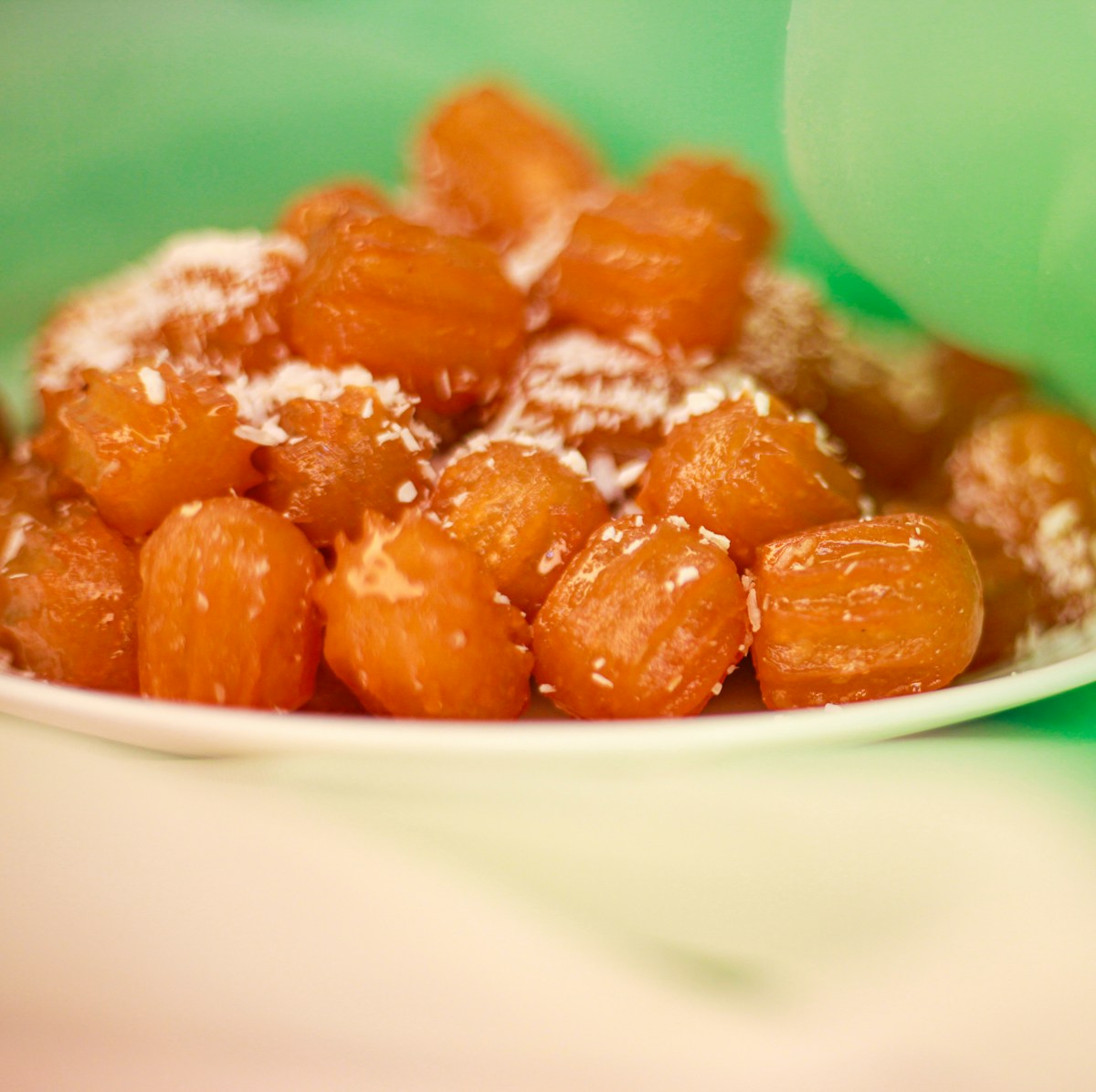
Taif Sweets is a local bakery chain with several branches in the city specialising in traditional Hejazi confectionery - basbousa (semolina cake), luqaimat (fried dough with date syrup), and several rose-flavoured varieties unique to Taif. Sweets from SAR 10–30 per portion.
The souk near the Al-Shuhada mosque has several independent sweet shops selling rose water-flavoured candies, nougat, and preserved rose jam in jars - these make good food souvenirs.
Cafes and Coffee
Taif’s café scene reflects the city’s popularity as a highland retreat for visitors from Jeddah and Mecca. Several modern cafés in the Al-Rawdah and Bani Saad districts serve specialty coffee, fresh juices, and light meals. Café Taif and Jabal Café (near the Al-Hada road) are consistently recommended by local visitors; expect to pay SAR 20–45 for coffee and a snack.
The traditional qahwa (Arabic coffee) culture is strong - dates and Arabic coffee are offered at almost every traditional restaurant and guesthouse as a standard welcome.
Take a Guided Food Tour of Taif
Taif’s three signature food products — damask rose water, highland Sidr honey, and pomegranate — are concentrated in the farms, distilleries, and souqs of Wadi Shubra and Al-Hada, where a guide makes the difference between a roadside stop and a genuine understanding of how these ingredients are produced and used in Hejazi cooking. Rose farm tours during the brief harvest season (late February to early April) typically combine distillery visits with a traditional mountain lunch — the kind of experience that reflects Taif’s food identity more completely than any individual restaurant visit.
Practical Notes
Opening hours: Traditional restaurants typically run two service periods: lunch (approximately 12pm–3pm) and dinner (approximately 7pm–midnight). During summer, when Taif sees its highest visitor numbers, restaurants on the Al-Shafa and Al-Hada mountain roads extend hours and may require a short wait for outdoor terrace seating.
Pricing: Taif is somewhat more affordable than Jeddah for equivalent quality of traditional food. A full traditional meal with rice, meat, soup, and flatbread runs SAR 50–100 per person at mid-range restaurants; budget spots come in at SAR 25–50.
Rose Festival timing: If visiting specifically for rose-themed food experiences, the rose harvest runs from roughly late February to early April depending on the year. Outside this window, rose products are available in preserved form but fresh rose drinks and rose jam are harder to find.
Browse tours and experiences in Taif for guided options, including rose farm visits that often combine with a traditional meal. Sort your travel insurance before the trip. Browse hotels in Taif — Al-Shafa and Al-Hada mountain properties offer the best access to terrace restaurants and the rose festival dining circuit in season.
See Also
- Things to Do in Taif - rose farms, Al-Shafa, and the cable car
- Where to Stay in Taif - hotel options across the city
- Abha vs Taif - comparing Saudi Arabia’s two highland cities
- Saudi Arabia Food Guide - nationwide food overview