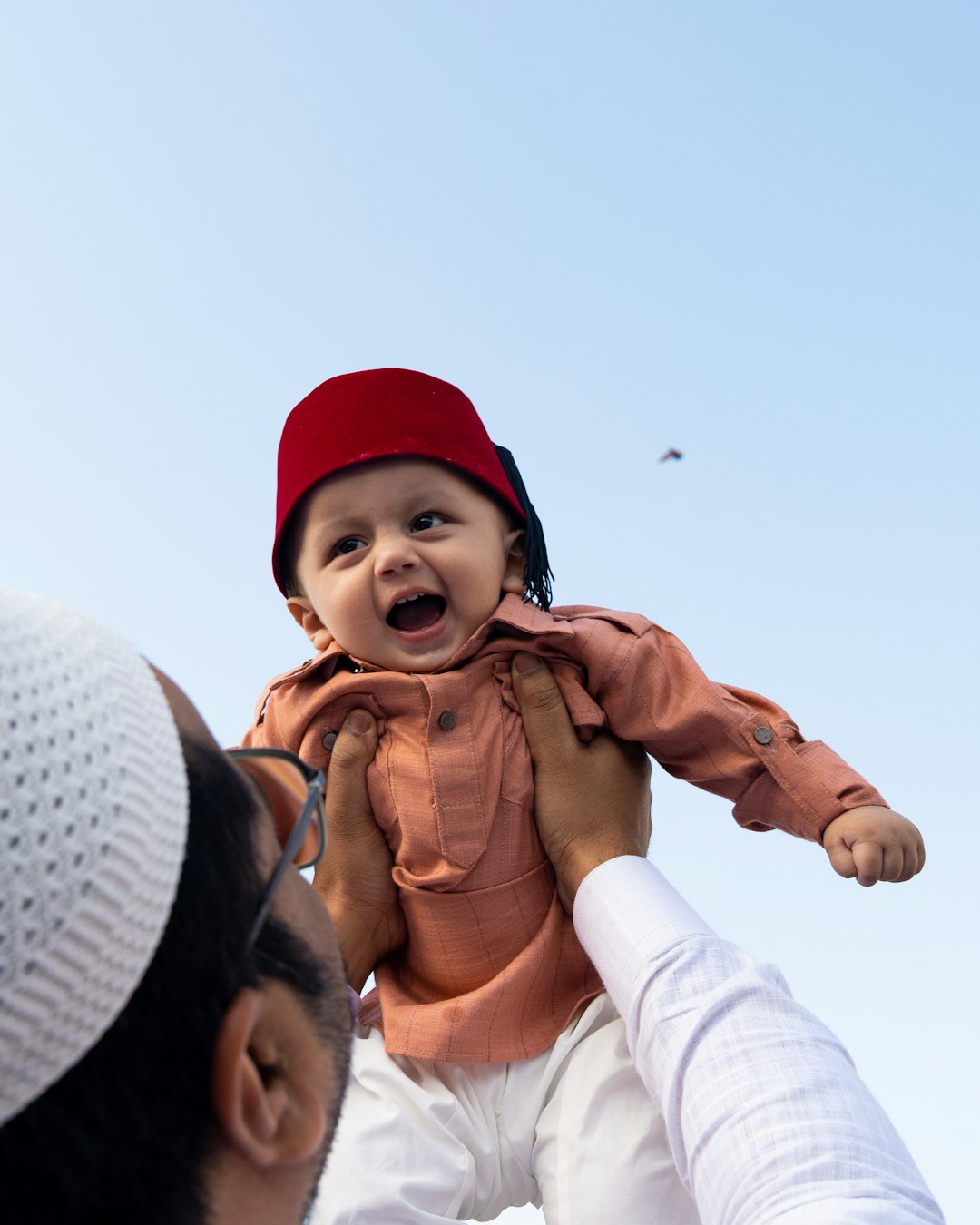
Eid al-Fitr marks the end of Ramadan - the month-long fast - and is one of the most joyful and socially active holidays on the Saudi calendar. For visitors, it is a time of packed malls, family gatherings spilling into public parks, traditional sweets at every turn, and a distinct atmosphere of collective celebration. It is also, practically speaking, a time when many businesses shift hours, some services close, and travel within the country becomes significantly busier.
Here is what tourists need to know before visiting Saudi Arabia during Eid al-Fitr.
When Is Eid al-Fitr?
Eid al-Fitr falls on the first day of Shawwal, the month following Ramadan. Like Ramadan itself, the exact date depends on moon sighting and is officially confirmed 1–2 days in advance by the Saudi Supreme Court. In recent years it has fallen in April or May; as the lunar calendar shifts, it will gradually move earlier.
The holiday lasts three days officially, though many Saudis take extended time off for family travel and celebrations. Banks and government offices may be closed for up to a week around Eid.
Public Holidays and Business Hours
What Closes
During Eid al-Fitr, expect the following to be closed or operating on reduced schedules:
- Government ministries and public offices - closed for the full Eid holiday period (typically 3–5 days minimum)
- Banks - closed on official Eid days; ATMs remain operational
- Schools and universities - closed for the Eid break
- Some smaller shops and local businesses - closed on Eid morning at minimum, especially in residential neighbourhoods
What Stays Open (or Opens Late)
- Shopping malls - open, often with extended hours and festive events
- Hotels - fully operational, often running Eid brunches and special programming
- Restaurants - open, typically busier than usual especially for family dining
- Major attractions - generally open, though check individual sites for adjusted hours
- Petrol stations and pharmacies - open throughout
Search hotels in Saudi Arabia on Booking.com
The general pattern: commercial and entertainment venues stay busy (Eid is a major spending period), while government and administrative services shut down.
The Eid Prayer
The morning of Eid begins with the Eid prayer, held at mosques and large outdoor prayer grounds across Saudi Arabia. In Riyadh, major prayer gatherings take place at the King Abdullah Grand Mosque and outdoor musallas (prayer grounds). The prayer is typically held in the first hour or two after sunrise.
Streets near mosques will be busy with worshippers from early morning. Non-Muslims are not expected to attend, but the sight of thousands heading to prayer in their best clothes - men in crisp white thobes, children in new outfits - is one of the most visually distinctive moments of Saudi Eid.
Traditional Eid Foods
Food is central to Eid al-Fitr, and Saudi families take it seriously. After a month of structured Ramadan eating, Eid morning starts with something sweet.
Eid Morning Sweets
- Maamoul - shortbread pastries filled with dates, pistachios, or walnuts, dusted with powdered sugar. Made at home or bought from bakeries in the days before Eid.
- Kleija - a Saudi cardamom-spiced biscuit, often shaped in decorative moulds.
- Qatayef - stuffed pancakes with cream or nuts, a Ramadan dessert that lingers into Eid.
- Luqaimat - fried dough balls drizzled with date syrup or honey.
The Eid Feast
Eid lunch is typically a large family gathering centred on a main dish:
- Kabsa - the national dish of Saudi Arabia: fragrant spiced rice with lamb, chicken, or camel meat, usually cooked in a large pot and served on a communal tray
- Harees - slow-cooked wheat and meat porridge, considered a celebration dish
- Mandi - slow-roasted meat over rice, especially popular in southern Saudi Arabia
- Margoog - meat and vegetable stew with thin bread, a Gulf favourite
If you are invited to a Saudi home for Eid - a genuine possibility if you have made local connections - accept. Eid hospitality is generous and the food will be abundant.
Shopping During Eid
Eid is Saudi Arabia’s biggest retail event. Families buy new clothes for the holiday, gifts are exchanged, and malls run dedicated Eid sales. If you plan to shop, go early in the day or late at night - midday and evening on the first two days of Eid see some of the heaviest mall traffic of the year.
Malls Worth Visiting
- Riyadh: Mall of Arabia, Riyadh Park, Al-Nakheel Mall - all run Eid events and decorations
- Jeddah: Red Sea Mall, Mall of Arabia Jeddah, Tahlia Street boutiques
- Dammam: Al-Rashid Mall, Dhahran Mall
Malls typically extend opening hours during Eid, sometimes running until 1:00–2:00 am to accommodate families who visit after dinner.
Souks During Eid
Traditional souks offer a different Eid atmosphere - busier and more local than the malls. In Jeddah, Al-Balad’s historic market area fills with shoppers buying traditional sweets, incense, and textiles. In Riyadh, the Al-Zal antiques and gold souk area sees increased footfall. Bargaining is normal in souks; fixed pricing applies in malls.
Family Traditions and What Tourists Can See
Eid is fundamentally a family holiday. The structure of the day:
- Eid prayer (early morning)
- Family breakfast with sweets and coffee
- Visits to extended family - grandparents, relatives, neighbours
- Children receiving Eidiyya (cash gifts from elders - a cherished tradition)
- Lunch or dinner feast with the extended family
- Evening outings - parks, corniche walks, malls, entertainment areas
As a tourist, you will most visibly encounter Eid in public parks and corniche areas, which fill with families in the afternoon and evening. In Riyadh, parks near Al-Murabba and Al-Malaz are packed. In Jeddah, the Corniche becomes a family promenade. The atmosphere is relaxed and welcoming - Eid extends outward, and visitors are rarely made to feel unwelcome in these public spaces.
Entertainment and Events
Saudi Arabia has significantly expanded its Eid entertainment programming in recent years through the Saudi Entertainment Authority. During Eid al-Fitr:
- Riyadh Season (if active) runs Eid-specific programming at Boulevard Riyadh City, Al-Diriyah, and other venues - concerts, family shows, fireworks
- Jeddah Season similarly activates Eid programming along the Corniche and in Al-Balad
- Theme parks (like Boulevard World in Riyadh) see peak attendance - expect queues
Check the Sharek app or Saudi Tourism Authority social channels for the current year’s Eid event calendar, as programming changes annually.
Travel Tips for Eid al-Fitr
Book ahead. Domestic flights, hotels, and restaurants fill up quickly for Eid. Saudi families travel heavily during the holiday - Jeddah and Abha in particular see significant domestic tourism. If you plan to travel during Eid, book accommodation 4–6 weeks in advance.
Expect airport delays. King Abdulaziz International Airport in Jeddah and King Khalid International in Riyadh handle enormous Eid travel volumes. Arrive with extra buffer time.
ATMs are your friend. Banks close on Eid days. Stock up on cash before the holiday begins - ATMs stay stocked but queues grow.
Accept invitations if offered. Saudi hospitality during Eid is warm and genuine. If a local offers to share Eid sweets or extends an invitation, saying yes creates a far more memorable experience than any tourist attraction.
Quieter options exist. If you prefer to avoid the Eid rush, Al-Ula and the northwest desert landscapes see less domestic tourism during Eid compared to Riyadh, Jeddah, and Abha. A pre-booked guided tour of Hegra or Dadan during Eid gives you the sites with smaller crowds.
Eid al-Fitr vs. Eid al-Adha
Saudi Arabia has two major Eid holidays. Eid al-Fitr ends Ramadan and is the more family-and-food focused celebration. Eid al-Adha (the Feast of Sacrifice) comes approximately 70 days later and is the more religiously significant of the two - it coincides with Hajj and involves the sacrifice of livestock. If you are visiting during one of the Eids, knowing which one matters for understanding the atmosphere and what activities are available.
At a Glance: Eid al-Fitr for Visitors
| Topic | Key point |
|---|---|
| Duration | 3 official days; expect 5–7 days of disruption |
| Government offices | Closed for at least 3 days |
| Malls and restaurants | Open, often with extended hours |
| Best activity | Join public park gatherings; shop the Eid sales |
| Foods to try | Maamoul, kabsa, luqaimat |
| Travel within KSA | Busier than normal - book ahead |
| Greeting to use | ”Eid Mubarak” or “Eid Saeed” |