Ramadan is the ninth month of the Islamic calendar - a month of fasting, prayer, and community that shapes almost every aspect of daily life in Saudi Arabia. For visitors, it can feel disorienting at first: streets quiet during the day, restaurants shuttered until sunset, then a sudden explosion of energy that lasts until well past midnight. But with the right preparation, Ramadan is one of the most rewarding times to experience Saudi culture up close.
This guide covers what to expect, what is and isn’t required of you as a non-Muslim tourist, and how to make the most of the season.
What Is Ramadan and When Does It Fall?
Ramadan follows the lunar calendar, which means the dates shift roughly 11 days earlier each year. In recent years it has fallen in March or April; by the late 2020s it will move into February. The Saudi Supreme Court announces the official start date based on moon sighting - so confirmed dates are usually only known 1–2 days in advance.
The holy month lasts 29 or 30 days, ending with Eid al-Fitr, a three-day public holiday.
The Call to Prayer During Ramadan
Saudi Arabia observes five daily prayers year-round, but during Ramadan their significance is heightened. The pre-dawn call (Fajr) takes on extra weight because it marks the start of the fasting day. The sunset call (Maghrib) signals the breaking of the fast - Iftar.
In cities like Riyadh and Jeddah, you will hear the Adhan (call to prayer) from mosques across the neighbourhood simultaneously. During Ramadan, the Maghrib call is particularly charged: restaurants and food stalls fill within minutes, and the streets that felt empty moments before come alive.
Non-Muslims are not required to attend prayers, but walking near a mosque during prayer time means you may be asked to wait outside or move on until prayers end - usually around 15–20 minutes.
Fasting Etiquette for Tourists
Saudi Arabia does not legally require non-Muslims to fast during Ramadan, but you are expected to respect the fast in public spaces. The practical rules:
| Situation | What to do |
|---|---|
| Eating or drinking in public during daylight | Avoid entirely - find a screened restaurant or hotel |
| Chewing gum in public | Treat the same as eating - not acceptable |
| Smoking in public during daylight | Prohibited during fasting hours |
| Eating in your hotel room | Completely fine at any hour |
| Eating in designated screened areas | Many malls and hotels provide private dining sections - use these |
Search hotels in Saudi Arabia on Booking.com
The key distinction is public vs. private. Hotels, screened restaurant sections, and your own accommodation are safe. Open streets, shopping areas, and public transport are not the place to snack or sip coffee.
Restaurant and Café Hours During Ramadan
This is where most visitors notice the biggest shift. The rhythm of the day inverts.
Daytime (Sunrise to Sunset)
Most restaurants close entirely during fasting hours. Hotel restaurants typically remain open but operate with frosted glass, curtained sections, or separate screened-off dining rooms for non-Muslim guests. Expect reduced menus and no music or entertainment during these hours.
Fast food chains (McDonald’s, AMED, local chains) sometimes operate with takeaway-only service through side windows - food handed over in a bag, no on-site dining.
Cafés are largely closed during the day. Hotel lobby cafés may serve guests discreetly in enclosed areas.
Iftar (Sunset to Around Midnight)
The fast breaks at Maghrib. This is when the city transforms. Every restaurant, café, and food stall opens simultaneously, and the rush is intense. Iftar buffets run from sunset until around 9:00–10:00 pm. Most popular spots fill up 30–60 minutes before Maghrib - book ahead.
After Midnight (Midnight to Suhoor)
Restaurants, shisha cafés, and food stalls stay open very late - often until 2:00–3:00 am. Street food markets come alive. In Riyadh’s Diriyah and Al-Murabba areas, and in Jeddah’s Al-Balad district, Ramadan nights have a carnival atmosphere.
Suhoor (Pre-Dawn Meal)
Suhoor is the meal Muslims eat before Fajr (pre-dawn prayer) to sustain them through the fasting day. Many restaurants stay open specifically for Suhoor crowds - serving from around 1:00 am until just before dawn. It is an entirely social occasion, and visitors are welcome to join in.
Business Hours and Government Services
| Service | Ramadan Hours (approx.) |
|---|---|
| Government offices | 9:00 am – 2:00 pm (shorter than usual) |
| Banks | 9:30 am – 1:30 pm, sometimes reopening 4:00–7:00 pm |
| Shopping malls | Closed morning, open from around 3:00–4:00 pm until midnight or later |
| Supermarkets | Similar to malls - reduced daytime hours, extended evenings |
| Pharmacies | Typically open through the day, hours vary |
| Attractions (museums, heritage sites) | Often closed morning, open afternoon/evening - check individual sites |
Expect most non-essential business to operate on a compressed schedule. If you need to visit a government office or deal with paperwork, do it early and don’t assume normal opening times apply.
Dress Code During Ramadan
Saudi Arabia already expects modest dress from tourists, and this applies with added emphasis during Ramadan. For both men and women:
- Cover shoulders and knees at minimum in all public spaces
- Women do not need to wear a headscarf, but loose, non-form-fitting clothing is appropriate
- Avoid tight, sheer, or revealing clothing in shopping malls and public areas
- At mosques (if visiting non-prayer areas), full modest dress and headscarves for women are required
Ramadan is not the time to push the boundaries on dress standards - even in tourist-facing areas like Jeddah Corniche or Riyadh Boulevard.
The Iftar Experience
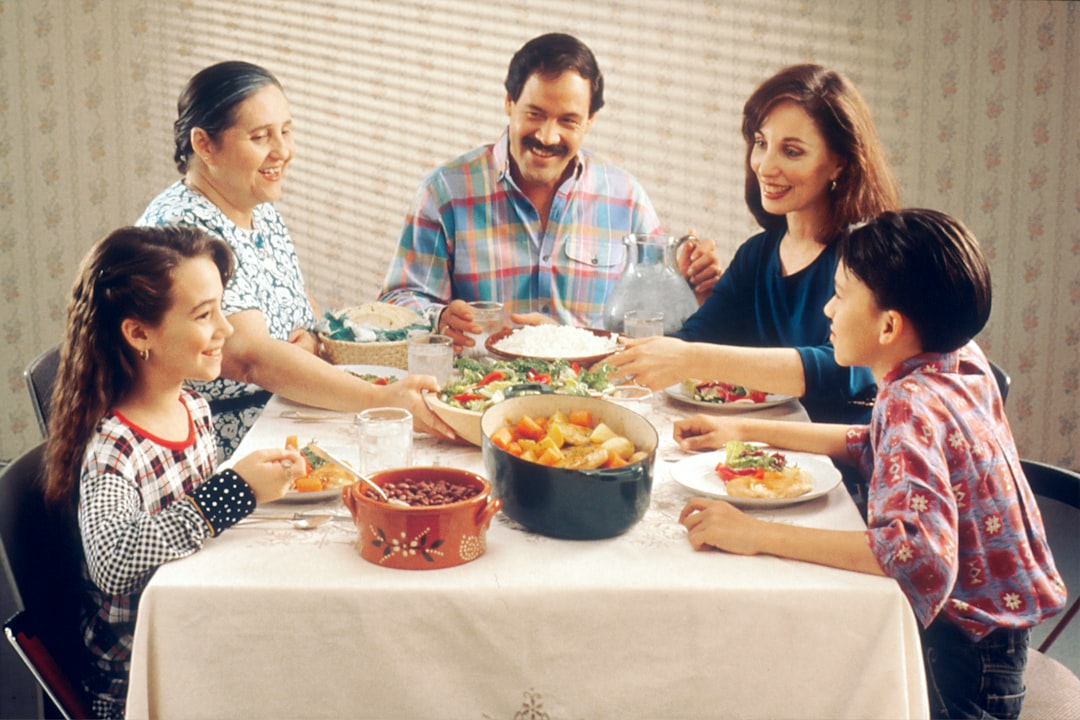
Iftar - the meal that breaks the fast - is one of the most generous food experiences Saudi culture offers. It traditionally begins with dates and water (echoing the Prophet’s practice), followed by soup, salads, and then a full spread of grilled meats, rice dishes, and desserts.
What to expect at an Iftar buffet:
- Dates and Zamzam water (or regular water) are placed on tables before the call to prayer
- At the sound of the Maghrib call, everyone eats simultaneously - a powerful communal moment
- Laban (buttermilk), harees (wheat and meat porridge), kabsa (spiced rice with meat), and jareesh (crushed wheat) are Ramadan staples
- Desserts include qatayef (filled pancakes), luqaimat (fried dough balls with date syrup), and um ali (bread pudding)
Iftar buffet prices (as of 2026):
- Hotel Iftar buffets in Riyadh: approximately SAR 200–450 per person
- Mid-range restaurant Iftar set menus: approximately SAR 80–150 per person
- Community Iftar tents (often free or very affordable): SAR 0–30, typically funded by charities and businesses
Book hotel Iftar buffets at least 24–48 hours ahead, especially in the first and last ten days of Ramadan when demand peaks.
Ramadan Nights in Riyadh and Jeddah
Riyadh
After Iftar, Riyadh’s entertainment districts run until the early hours. Riyadh Season (the city’s entertainment calendar) sometimes extends Ramadan-specific programming. Al-Diriyah’s old city district and the Boulevard Riyadh City area host live entertainment, street food markets, and Ramadan tent experiences. Expect large crowds from around 9:00 pm to 2:00 am.
Jeddah
Al-Balad (Jeddah’s UNESCO-listed historic district) is especially atmospheric during Ramadan. The narrow coral-stone alleys lit at night, street vendors selling Ramadan sweets, and the sea air from the Corniche create a setting unlike anywhere else in Saudi Arabia. The Jeddah Corniche Ramadan market is a popular evening destination.
Mecca
Non-Muslims cannot enter Mecca. If you are a Muslim visitor, Mecca during Ramadan - particularly during the last ten days - is one of the most spiritually intense experiences in Islam. Expect enormous crowds; the Grand Mosque hosts millions during Laylat al-Qadr (the Night of Power, 27th of Ramadan).
Do’s and Don’ts at a Glance
| Do | Don’t |
|---|---|
| Eat and drink inside hotels and screened restaurant areas | Eat, drink, or smoke in public during daylight |
| Greet people with “Ramadan Kareem” or “Ramadan Mubarak” | Play loud music in public spaces |
| Book Iftar at restaurants well in advance | Assume normal business hours apply |
| Dress modestly throughout the day | Wear revealing clothing even briefly in public |
| Experience Suhoor - join the late-night restaurant scene | Expect government offices to run on regular schedules |
| Respect prayer times when near mosques | Rush through mosque areas during Adhan |
Practical Tips for Your Visit
Adjust your schedule. Lean into the Ramadan rhythm - sleep later, eat later, explore later. Fighting it is tiring; going with it is genuinely enjoyable.
Carry water discreetly. You are not prohibited from drinking water, but do so inside, in your car, or in private. A water bottle sipped on an open street is considered disrespectful.
Try at least one Iftar. Even if you are not fasting, joining an Iftar - whether at a hotel, a restaurant, or if you are lucky enough to be invited by a Saudi family - is one of the most memorable experiences the country offers.
Prices go up at hotels. Demand for Iftar venues and late-night dining is high. Ramadan is not a budget-travel time in Saudi Arabia’s hotel sector - factor this into your accommodation planning.
Check Eid al-Fitr dates before travelling. The three-day holiday at the end of Ramadan sees domestic travel surge, malls packed, and some tourist attractions temporarily closed. If you want a quieter visit, avoid the first two days of Eid.