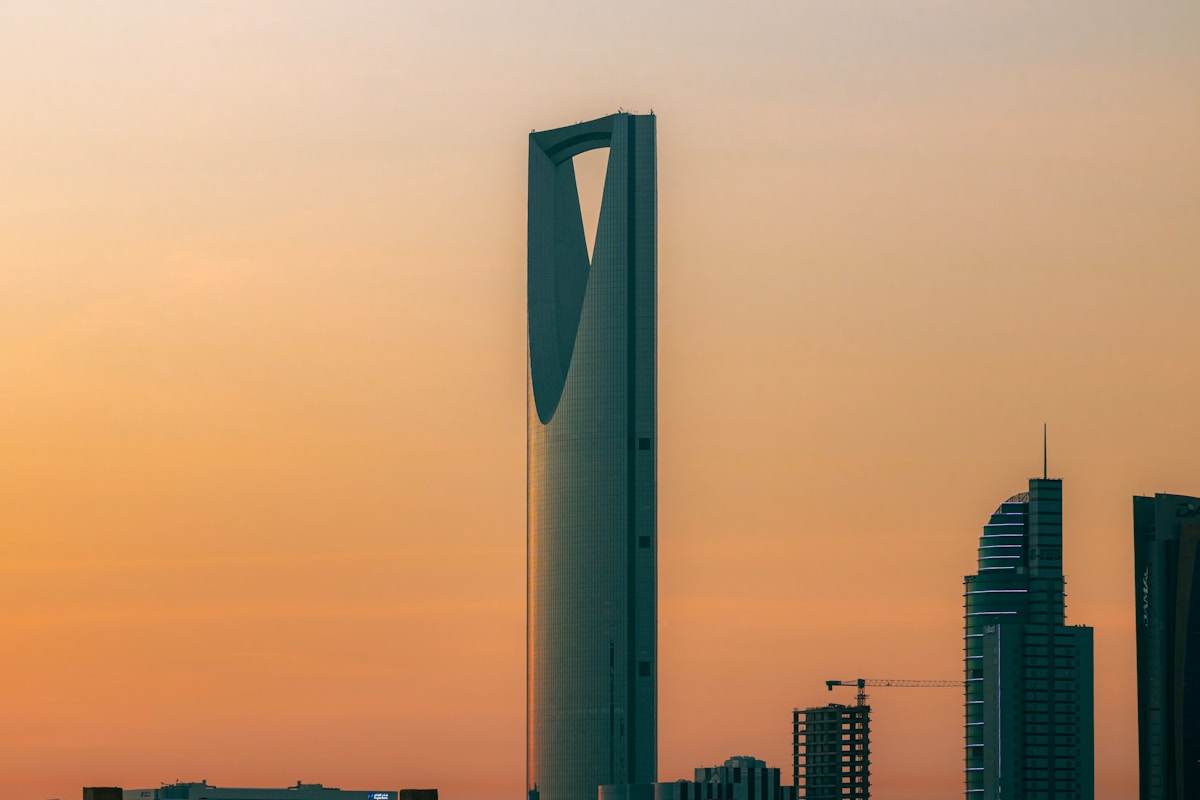
Islamic New Year - Ra’s as-Sanah al-Hijriyyah - marked the beginning of Muharram 1448 AH and fell on Monday, 16 June 2026. In Saudi Arabia it was an official one-day public holiday, though its character is quite different from the large-scale celebrations of Eid al-Fitr or Saudi National Day. The next Islamic New Year (1 Muharram 1449 AH) is expected around 5 June 2027, subject to moon sighting confirmation.
A Reflective, Not Festive, Occasion
Islamic New Year in Saudi Arabia is a quiet day. There are no public parades, fireworks, or commercial events. The occasion is marked with special prayers in mosques, private family reflection, and religious recitation. It is not comparable to Eid - travellers expecting festivity will find none.
This quietness is not specific to Saudi Arabia; it reflects the Islamic scholarly tradition, which regards Muharram 1 as an occasion for introspection rather than celebration.
What Is Closed on June 16
As a national public holiday, the following close:
- Government ministries and public sector offices
- Banks and financial institutions
- Saudi Post and public services
Tourist sites, shopping malls, hotels, restaurants, and attractions remain open. Saudi Arabia has made a deliberate policy effort to separate the religious calendar from the tourism experience, and visitors will find Riyadh, Jeddah, and AlUla fully accessible.
Visiting Saudi Arabia on June 16
Riyadh and Jeddah continue as normal for tourists. The Al-Ula desert heritage site operates on its usual visiting schedule. Museums including the National Museum in Riyadh may have adjusted hours - confirm directly before visiting. Browse tours and activities in Riyadh to fill your day if government sites are closed.
AlUla, with its Nabataean heritage and Hegra archaeological site, is equally unaffected by the public holiday. Desert tour operators and heritage experiences continue to run.
Note on Mecca and Medina: Both cities are accessible to Muslims only. Non-Muslim travellers should not plan visits to either city regardless of the date.
June Conditions in Saudi Arabia
June is one of the hottest months in Saudi Arabia - daytime temperatures in Riyadh frequently exceed 40°C. If you are visiting around Islamic New Year, our guide to visiting Saudi Arabia in June covers heat management, dress codes, and what to prioritise.
For first-time visitors planning a trip, the first-time guide to Saudi Arabia provides essential context on customs, entry requirements, and cultural expectations.
Islamic New Year is a moment of spiritual significance in the Islamic calendar - observing a respectful quiet on the day, particularly near mosques, is appreciated throughout the Kingdom.
The Islamic Calendar and Why Dates Shift Each Year
The Hijri calendar is a purely lunar calendar of 12 months, each beginning with the sighting of the crescent moon. At approximately 354 days, the Hijri year is 10 to 11 days shorter than the Gregorian year, which means Islamic New Year falls on a different Gregorian date each year and cycles through all seasons over roughly a 33-year period. In 2026 it fell in mid-June; by 2033 it will have moved to early April. Travellers planning multi-year trips to Saudi Arabia should check the expected date for their travel year, as the public holiday shift affects bank and government office availability.
Muharram: The First Month and What It Means
Muharram - the month that begins on Islamic New Year - is one of the four sacred months in the Islamic tradition. The 10th of Muharram, known as the Day of Ashura, holds particular significance: Sunni Muslims observe it as a day of optional fasting in gratitude for the Exodus of Moses, while Shia Muslims mark it as a day of mourning commemorating the death of Husayn ibn Ali at Karbala in 680 CE. In Saudi Arabia, which follows the Sunni tradition, Ashura is not a public holiday but is observed privately by those who choose to fast.
For travellers arriving in Muharram, the broader atmosphere remains calm and the country fully open for business. Understanding the Islamic calendar structure helps set realistic expectations: Saudi Arabia’s festive energy concentrates around Eid al-Fitr, Eid al-Adha, and major events like Riyadh Season - Islamic New Year is not one of those occasions.