Hajj departure flights operated from King Abdulaziz International Airport (JED) in Jeddah and Prince Mohammad bin Abdulaziz International Airport (MED) in Medina through 30 June 2026, as Saudi Arabia and Egypt coordinated one of the largest annual repatriation operations in global aviation. Visitors travelling through Jeddah during June experienced higher passenger volumes, longer processing times and elevated demand on ground transport connections between the city and the airport. Hajj 2027 departure season is expected in mid-to-late May; check the Saudi Hajj Ministry for confirmed dates as 2027 approaches.
The dedicated Hajj Terminal at KAIA Jeddah operated through 16 June 2026, handling the bulk of departing pilgrims from around the world. With a capacity of up to 80,000 departing pilgrims over a 36-hour cycle, the terminal absorbs the majority of Hajj-season traffic separately from the main international and domestic concourses. However, the sheer volume of travellers on the ground means longer queues at immigration and baggage claim affect the wider airport campus throughout June.
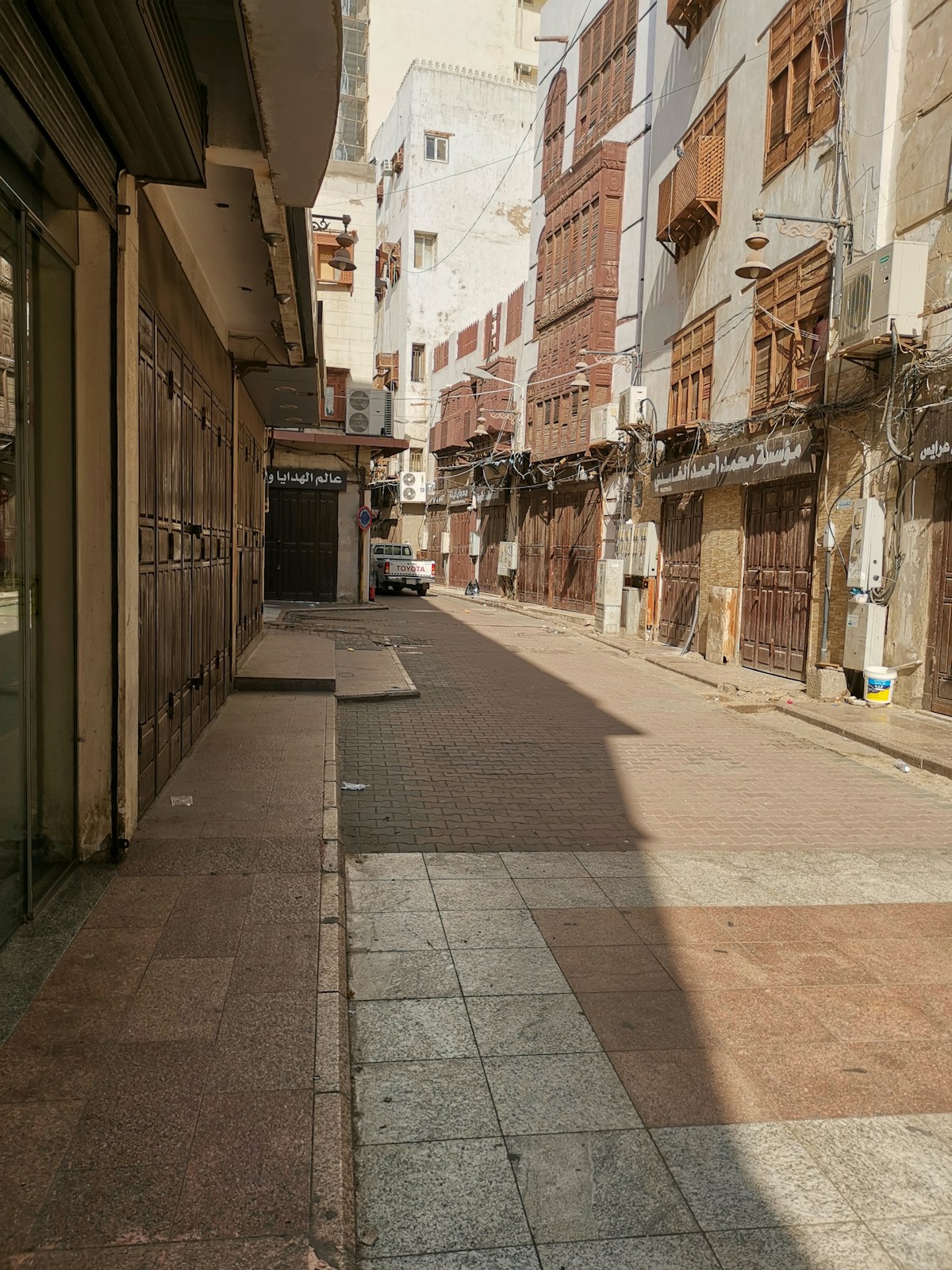
For leisure travellers visiting Jeddah’s historic Al-Balad district, the Red Sea corniche or continuing toward Al-Ula and the northwest, this is practical information: book airport transfers in advance, arrive at the terminal significantly earlier than the standard two-hour minimum, and confirm your airline’s specific check-in deadline - several carriers extend their cut-offs during Hajj repatriation periods.
Saudi Arabia’s tourism sector is running at record pace in 2026 under the Saudi Summer campaign, with more than 550 tourism products on offer across Aseer, the Red Sea, Jeddah, Taif and Al-Baha. None of those leisure destinations are affected by Hajj departure operations; the congestion is primarily concentrated at KAIA and the Medina airport rather than at leisure gateways in the interior. Visitors new to the kingdom should check our first-time guide to Saudi Arabia and our Saudi Arabia visa guide before travelling.
Please note: Mecca and Medina are the two cities at the centre of the Hajj pilgrimage season. Both cities are accessible to Muslim visitors only. Non-Muslim travellers are not permitted to enter the holy cities and should plan their routes through Jeddah and Medina’s airports accordingly, without attempting to enter the city centres.
Our comprehensive Hajj guide covers the full pilgrimage timeline, logistics and practical advice for Muslim visitors planning the journey. For the remainder of June, travellers booking flights to Saudi Arabia should factor the departure season into their scheduling, particularly for connections through Jeddah’s international hub.
Hajj 2026 in numbers: the scale of the operation
Hajj is the largest annual gathering of people on earth. In 2025, the Saudi Ministry of Hajj and Umrah reported approximately 1.8 million pilgrims performing Hajj, with numbers managed through a quota system that limits each country’s allocation to roughly 1,000 pilgrims per million Muslim population. The Saudi Hajj authorities have been managing this quota since the 1980s to prevent overcrowding incidents at the sacred sites.
For the aviation network, Hajj departure season is an extraordinary logistical undertaking. Over a roughly three-week period, Saudi Arabia’s airports process millions of departing pilgrims - the majority through KAIA Jeddah and MED Medina - using a combination of regular commercial flights and dedicated charter operations organised by national Hajj missions. Egypt alone operates hundreds of charter flights in the post-Hajj departure window. The coordination between the Saudi General Authority of Civil Aviation (GACA), the airlines, and the Hajj Ministry is one of the world’s most complex annual aviation operations.
Alternatives to KAIA for June travellers
Travellers not connected to the Hajj pilgrimage and seeking to minimise airport congestion during June have options. Riyadh’s King Khalid International Airport (RUH) handles significant international traffic with no Hajj-season surge on the same scale. For those visiting AlUla, the newly expanded Prince Abdul Majeed bin Abdulaziz International Airport (ULH) connects directly to Riyadh and Jeddah. Travellers with flexibility in their routing should consider whether their itinerary requires transit through KAIA specifically or whether alternate entry points are practical.