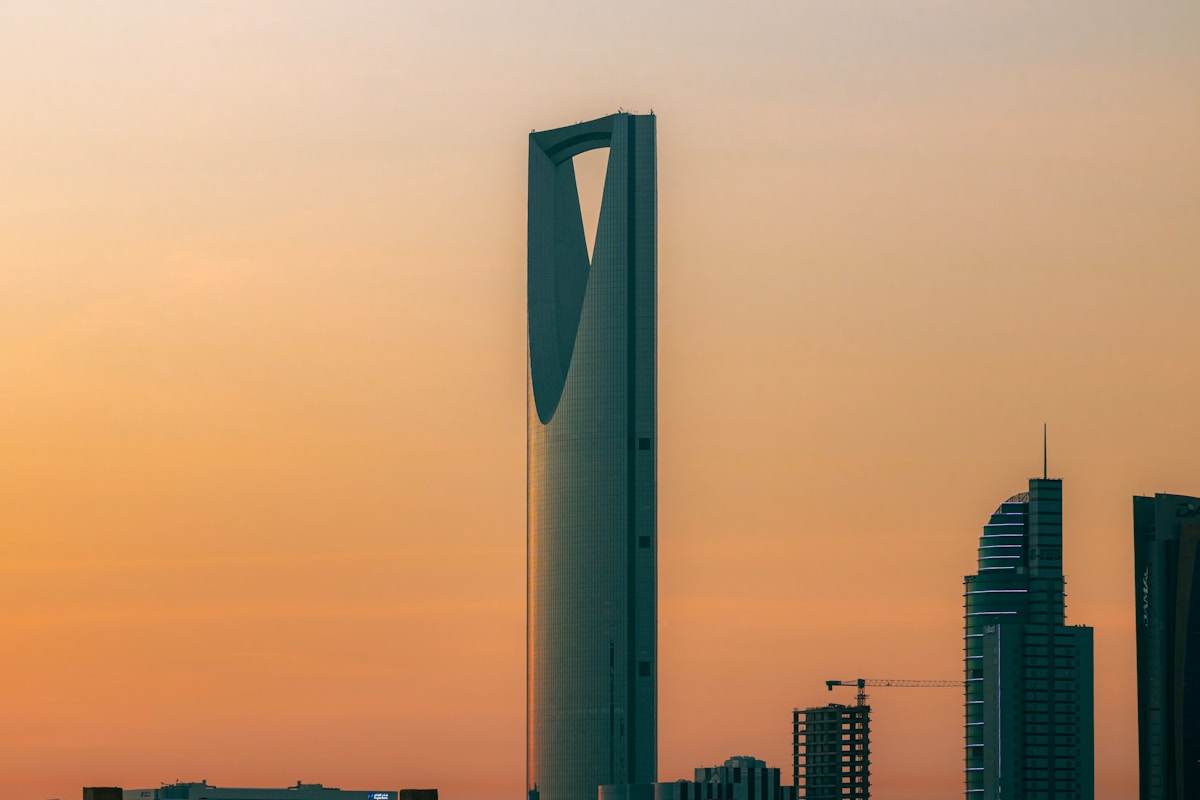
Saudi Arabia’s tourism sector posted SAR 82.7 billion in total spending during the first quarter of 2026, with the United States, Egypt, India and Türkiye among the strongest source markets, according to figures presented at the Future Hospitality Summit (FHS) in Riyadh from 22 to 24 June 2026.
The summit, attended by international hospitality investors and government officials, highlighted the Kingdom’s progress toward its Vision 2030 target of 150 million annual visits and a tourism GDP contribution of 10 per cent. Saudi Arabia welcomed over 123 million visitors in 2025, establishing it firmly among the world’s top-ten inbound destinations by volume.
For travellers planning a visit, the context matters: this growth has been accompanied by rapid infrastructure expansion. New hotels, resorts and cultural experiences have opened across Riyadh and Jeddah, AlUla and the Red Sea coast, and more are scheduled to open through the rest of 2026. Explore tours and activities across Saudi Arabia to see what’s available during your dates. AlUla in particular has become a globally recognised archaeological destination, its ancient Nabatean tombs and dramatic sandstone landscape rivalling Petra in scale.
The Saudi tourist eVisa - available to nationals of 66 eligible countries through visa.visitsaudi.com - remains a streamlined one-year multiple-entry permit allowing stays of up to 90 days per visit. Approval typically arrives within 24 hours.
Current travel advisories: On 18 June 2026, the UK FCDO updated its Saudi Arabia advice and removed the advisory against all but essential travel to the Eastern Province and Riyadh Province, a significant downgrade from earlier restrictions. The UK does continue to advise against travel within 10km of the Yemeni border. Travellers from other countries should check their own government’s current advice before booking.
A note for visitors: Saudi Arabia has opened considerably to international tourism under Vision 2030, with women now able to travel independently, entertainment venues operating across major cities and the dress code for tourists relaxed. The Kingdom welcomes visitors of all faiths. Access to Mecca and Medina, however, is restricted to Muslims only.
The Red Sea season runs year-round at lower latitudes, but June to September brings extreme heat inland - temperatures in Riyadh and AlUla can exceed 50°C and visitors planning cultural site visits should time them for early morning.
What the SAR 82.7 billion figure tells us
SAR 82.7 billion converts to approximately $22 billion at the Q1 2026 exchange rate - a substantial figure for a single quarter. To contextualise: Saudi Arabia’s total tourism contribution to GDP for full-year 2024 was approximately SAR 259 billion. If Q1 2026’s pace holds, full-year 2026 is on track to significantly surpass that. The Vision 2030 target - tourism at 10 per cent of GDP - looked aspirational in 2016 when the plan was announced; at current growth rates, it appears achievable ahead of the 2030 deadline.
The US, Egypt, India and Türkiye as lead source markets tell a particular story. US visitors are high-spend travellers predominantly combining cultural tourism (AlUla, Diriyah, Jeddah Al-Balad) with luxury resort stays. Egyptian visitors are the largest single nationality group by volume, partly due to Saudi Arabia’s large Egyptian expatriate workforce and partly due to the deep cultural and religious ties that bring Egyptian tourists for Umrah and leisure. Indian and Turkish visitor growth reflects expanding direct air connections from both countries and strong outbound tourism demand from two of the world’s fastest-growing middle-class populations.
New infrastructure driving the numbers
The Q1 2026 growth was not organic - it is supported by an unprecedented pipeline of new hotels, resorts, and cultural attractions. AlUla completed its second major visitor season with expanded capacity at Hegra and the Maraya concert venue. The Red Sea Project added several international resort properties. Diriyah’s Phase One - the historic At-Turaif district and its surrounding dining and cultural quarter - received its first full year of operation. And Riyadh’s entertainment and hospitality infrastructure has expanded substantially since 2022, with new concert venues, theme parks, and international hotel brands all contributing to the experience available to visitors.
For travellers planning ahead, the implication is that Saudi Arabia in 2026 and beyond is genuinely a different destination from the one that existed before Vision 2030’s tourism opening in 2019. The question for most visitors is no longer whether Saudi Arabia is accessible but where to begin - our first-time guide to Saudi Arabia is the right starting point.