The European Union Aviation Safety Agency (EASA) has issued an advisory to commercial air operators recommending they avoid Gulf airspace until at least 29 July 2026. The notice, which follows the Houthi missile and drone attack on Abha International Airport on 13 July, affects flight routing across Saudi Arabia and neighbouring Gulf states and has consequences for anyone with travel plans in the region this month.
What Has Changed for Flights
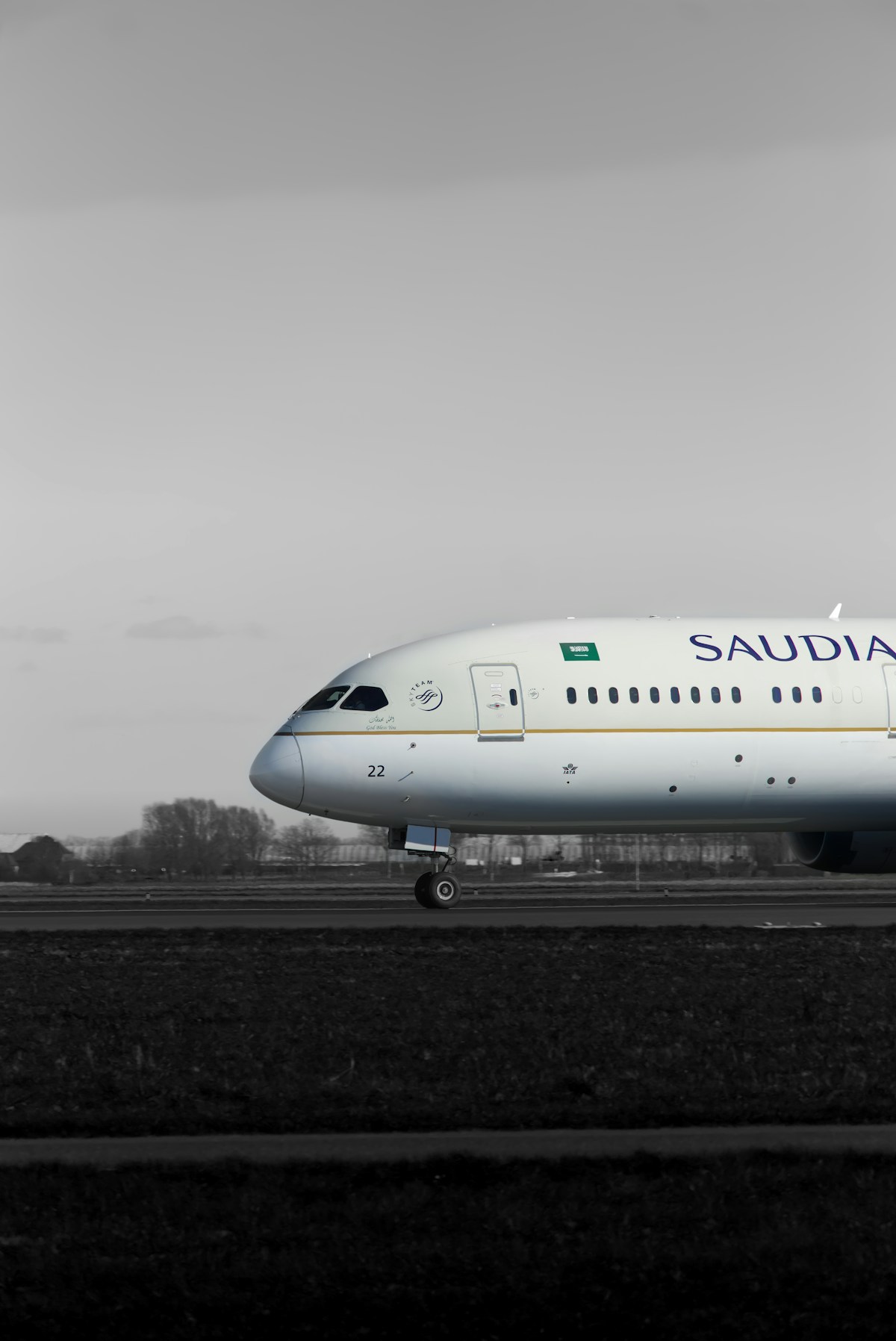
The most immediate impact has been on routes connecting Saudi Arabia with the United Arab Emirates. Services between Abha and Dubai and between Abha and Sharjah have remained suspended since the initial attack, with carriers including flydubai, Air Arabia, and Saudia pulling flights across multiple days. Saudi domestic routes - Riyadh, Jeddah, Dammam, Medina, Tabuk - have largely continued to operate, though some disruption persisted into the days immediately after the attack.
Major Saudi airports including King Khalid International (Riyadh) and King Abdulaziz International (Jeddah) are not within the immediate danger zone and continue handling international operations. The disruption is concentrated in and around Abha in the southwest, the closest major airport to the Yemen border.
Travel Warnings in Force
Several governments have updated their Saudi Arabia travel advice following the attack:
- UK FCDO: Advises against all travel within 10 km of the Saudi-Yemen border. Advises against all but essential travel to areas between 10 km and 80 km from that border. The Abha region falls within this zone.
- Canada: Updated guidance to “exercise a high degree of caution” across Saudi Arabia, with stronger warnings for the border region.
- US State Department: Has maintained its existing Level 2 advisory for Saudi Arabia (“exercise increased caution”) and added specific notes on the southwestern region.
If you are planning travel to Abha, Jizan, Najran or anywhere in the Asir region close to Yemen, we recommend reading the current safety guidance for Saudi Arabia before booking.
What To Do If You Have a Booking
For travellers with flights into or out of Abha in the coming two weeks, the priority is to contact your airline directly to understand your options. Most carriers are waiving change fees for affected bookings. If you have connecting itineraries passing through Saudi airports and onward to UAE destinations, check routing changes with your airline - some carriers are adding stops or rerouting via Oman.
Travel insurance with a “disruption due to civil unrest or military action” clause is worth reviewing if you hold a policy. Not all standard policies cover this scenario automatically — EKTA is one option worth comparing.
For flights to Saudi Arabia via Riyadh or Jeddah - the main international entry points - no significant disruption is expected. The EASA notice advises airlines on routing and altitude protocols rather than banning flights outright; airlines have been adjusting flight paths to stay clear of southern Saudi airspace while continuing to serve Riyadh and Jeddah normally.
Outlook
The EASA advisory runs until 29 July. Whether it is extended will depend on how the regional security situation develops. Travellers not heading to the southwestern corner of Saudi Arabia are unlikely to notice any practical difference on the ground. For those planning a trip to Abha specifically - one of the country’s most appealing summer destinations given its altitude and cooler temperatures - the advice is to delay departure until the security picture is clearer.