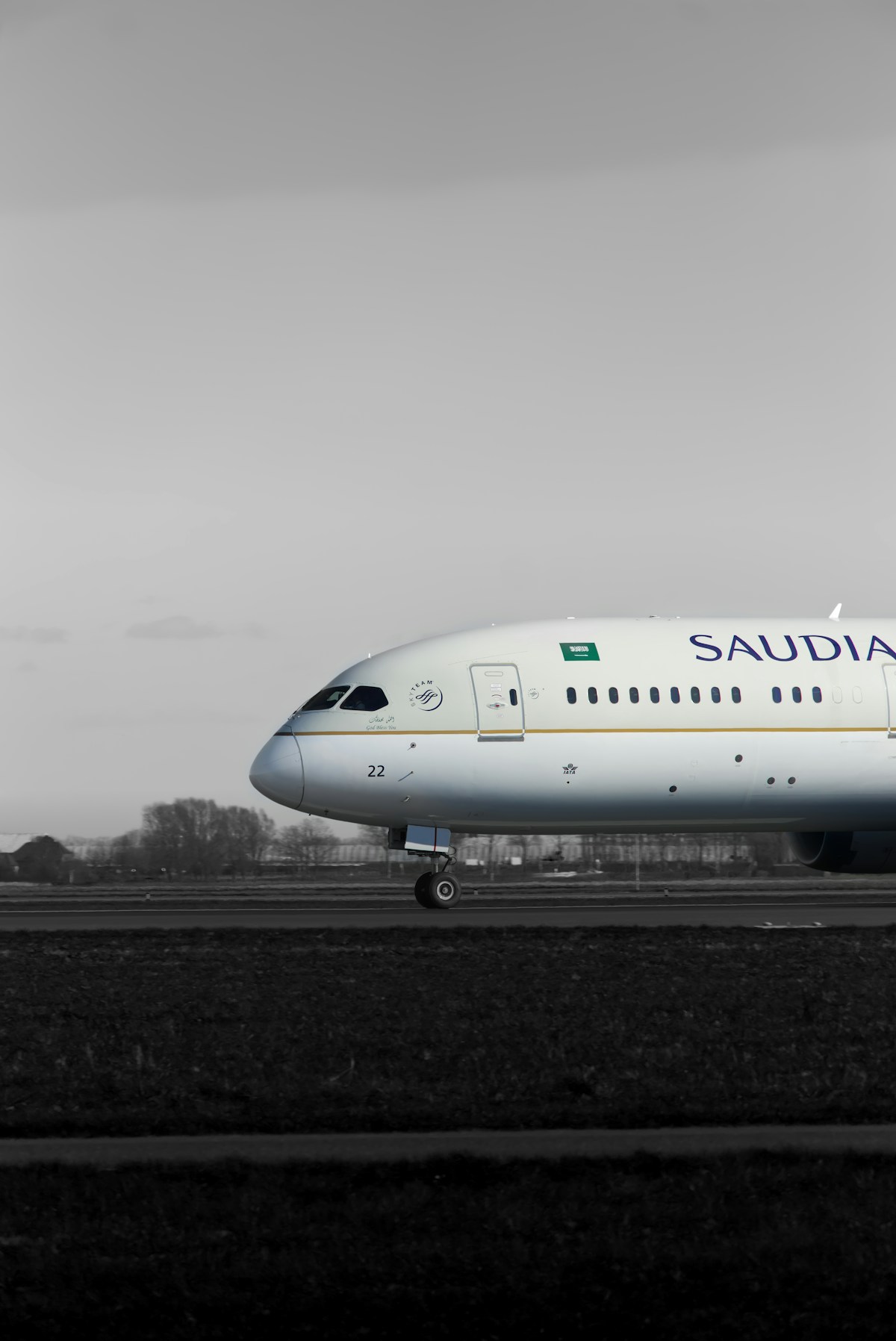
On 19 September 2026, Houthi rebels fired ballistic missiles targeting the Riyadh area, triggering Saudi air defence systems and causing major disruption at King Khalid International Airport (RUH). FlightRadar24 recorded a disruption index of 5.0 at its peak — the maximum rating, representing widespread delays and multiple cancelled flights.
The US Embassy in Riyadh issued a security alert on the same day, advising US citizens to shelter in place when attack warnings sound, review their personal security plans, remain aware of surroundings, and check flight status before proceeding to the airport.
The inbound missile was intercepted before reaching its target. However, the defensive operation and associated closures caused significant knock-on effects across the day’s flight schedule. The airport was in recovery mode by 20 September, with normal operations gradually resuming.
What to do if you have flights through Riyadh
- Check your airline before leaving for the airport. Residual delays and rebooking queues are likely on 20 September. Use Aviasales to find alternative routes if your service is cancelled.
- Allow extra time for connections. If RUH is a transit point, call your carrier to confirm the onward leg.
- Monitor the US Embassy alerts page. A follow-up advisory will be issued if the situation changes.
Wider context for Saudi Arabia travel
Saudi Arabia already carries a US State Department Level 3 “Reconsider Travel” advisory, renewed in mid-September after a drone reached the Mecca vicinity. This Riyadh attack reinforces the broader risk picture without changing the advisory level.
Jeddah, Dammam, Medina, and AlUla airports were not cited in disruption reports for 19 September. Travelers routing through those cities should confirm with their airline regardless, as knock-on effects can spread across a network.
For an overview of how to travel between Saudi cities by air or road, see our getting around Saudi Arabia guide. For destination-level information on the capital, see our Riyadh city guide.