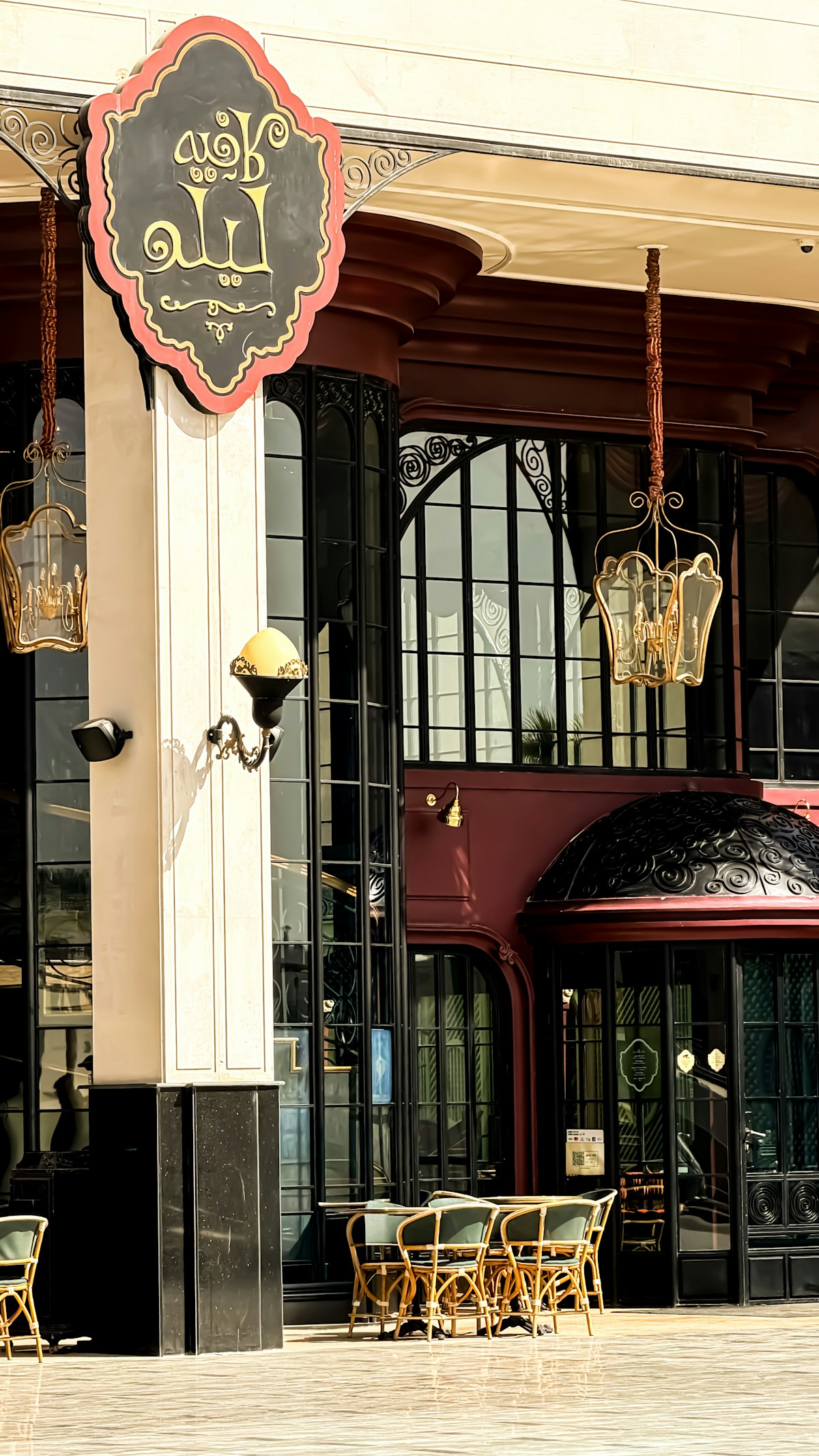
Riyadh’s restaurant scene has expanded dramatically since 2019. Vision 2030 relaxed entertainment licensing, brought in international chains, and encouraged a wave of homegrown concepts. The result is a city where you can eat traditional Najdi kabsa in a no-frills local restaurant at lunch and sit at a rooftop bar with Riyadh’s skyline at sunset.
Traditional Najdi Restaurants
Najdi Village Restaurant
The flagship traditional experience for visitors. Atmospheric Najdi architecture — low seating, carved wooden screens, traditional textiles — with a full menu of central Arabian dishes. Staff speak enough English to guide first-timers through the menu. Multiple locations across Riyadh; the Al-Olaya branch is easiest for visitors.
Order: Kabsa (spiced rice with lamb), jareesh (crushed wheat with meat), margoog (lamb stew on flatbread). Full meal approximately SAR 80–120 per person as of 2026.
Al-Nakheel District Kabsa Spots
The cluster of traditional kabsa restaurants in the Al-Nakheel district north of downtown is where Riyadh’s working Saudis eat. No English menus, minimal decor, but the food is some of the most authentic in the city. Point at what the table next to you is eating if in doubt. Lunch only (roughly 12:00–16:00). SAR 25–45 per person.
Mandi Al-Yemeni
Yemeni-style mandi (slow-roasted meat over fragrant rice in an underground clay oven) has its own category in Riyadh. Al-Yemeni restaurants are found throughout the city, particularly in Batha and the older commercial districts. A full mandi platter for two is approximately SAR 60–80 as of 2026.
International Dining — Al-Olaya and King Abdullah Financial District
Spazio 77
One of Riyadh’s longest-running and most consistent Italian restaurants. Located in Al-Olaya, it has been feeding the city’s expatriate and business community for years. Reliable pasta and pizza in the SAR 80–150 per person range. Book for Thursday evenings.
Coya Riyadh
Peruvian-Asian fusion in a dramatic space at the Four Seasons. Ceviche, tiradito, and Nikkei dishes that hold their own against the Dubai and London originals. SAR 200–350 per person. Requires a reservation — book at least a week ahead for weekends.
Nobu Riyadh
The Japanese-Peruvian concept now has a Riyadh outpost at the Four Seasons Hotel. Signature black cod miso, yellowtail jalapeño, and wagyu dishes. Approximately SAR 300–500 per person including beverages. The bar area fills quickly after 21:00 on weekends.
Cafes and Casual All-Day Dining
Urth Caffé
The Los Angeles import that has become a Riyadh institution. Organic coffee, extensive brunch menu, and long weekend queues at the Al-Olaya and Riyadh Front locations. SAR 60–100 for brunch. Expect a 30–45 minute wait on Friday mornings without a reservation.
Yard
A local Riyadh concept with multiple branches. Solid brunch menu, good coffee, and a relaxed atmosphere that works for both a working breakfast and a slow Friday morning. SAR 50–90 per person. Generally easier to get a table than Urth Caffé.
Bu Qtair
The Riyadh version of the famous Dubai seafood shack concept. Simple fried fish and shrimp at low prices. Not a Jeddah Red Sea seafood experience — the fish comes inland by road — but for central Riyadh it delivers fresh fish at approximately SAR 40–70 per person.
Rooftop and View Dining
Eighteen at the Kingdom Tower
Perched in the Kingdom Centre skyscraper, Eighteen offers skyline views across Riyadh alongside a Mediterranean-leaning menu. The view is the draw; the food is consistently good without being exceptional. SAR 200–350 per person. Book the window tables through the website — they go quickly.
Globe Restaurant, Al Faisaliyah Tower
Suspended inside the golden ball at the top of Al Faisaliyah Tower, Globe is arguably the most theatrical dining room in Riyadh. Saudi-international menu, strong wine-free cocktail list, and 360-degree views. SAR 200–400 per person. Book a minimum of 48 hours in advance.
Practical Notes
- Most Riyadh restaurants are open 12:00–16:00 and 18:00–midnight. Some close for prayer times (roughly 5–10 minutes).
- Family sections and singles/couples sections are the norm in traditional restaurants; the division is less enforced in upscale dining.
- During Ramadan, restaurants are closed during daylight hours. Iftar (sunset meal) and suhoor (pre-dawn meal) become major social dining events — booking is essential.
Book a Guided Food Tour of Riyadh
The best Riyadh food experiences — the unlabelled kabsa houses in Al-Nakheel, the spice souqs in Dira, the mutabbaq and sweets of Batha — are the hardest to navigate without local guidance. A guided food tour handles the language barrier, gets you to the working restaurants rather than the tourist-facing approximations, and explains the Najdi food culture that produced these dishes. It is the most direct route from wanting to eat properly in Riyadh to actually doing it.
Browse hotels in Riyadh — Al-Olaya district properties give the best access to the rooftop dining cluster and the international restaurant strip along Prince Mohammed bin Abdul Aziz Road.