Al Khobar is the most cosmopolitan city in Saudi Arabia’s Eastern Province, and its restaurant scene reflects a history that has no parallel elsewhere in the country. When Saudi Aramco established its Dhahran operations in the 1930s and 1940s, it brought American engineers, Lebanese technicians, South Asian contractors, and eventually a sustained international workforce to a region that had previously been defined by pearl fishing and date farming. The demand that workforce created, for familiar food, for variety, for quality, shaped Al Khobar’s food culture over decades and explains why a city of its size has a dining scene that reaches beyond what its population alone would sustain.
The result is a food city with three distinct layers: traditional Eastern Province Gulf cuisine, the Hejazi-influenced Saudi mainstream, and an international dining scene that is genuinely broad.
Eastern Province Gulf Cuisine
Al Khobar’s indigenous food tradition belongs to the Gulf coastal culture of the Eastern Arabian coast, closely related to Kuwaiti and Bahraini cuisine, distinct from both the Hejazi tradition of western Saudi Arabia and the Najdi food of Riyadh.
Machboos is the signature dish. In Al Khobar, it frequently features seafood rather than the lamb or chicken that dominates inland versions. The spice blend used is bezar (or baharat), a Gulf-specific mixture of black pepper, coriander, cumin, dried lime, cloves, and cinnamon that differs from the cinnamon-and-cardamom-forward profile of Hejazi kabsa. The rice in machboos cooked Al Khobar-style is slightly wetter and more fragrant than the drier Najdi version, and the shrimp and fish versions are local adaptations; the Hejazi interior could not access fresh Gulf seafood in the same way.
Muhammar is a traditional Gulf sweet rice dish cooked with dates and rose water, served alongside grilled fish or as a dessert. It is less common in restaurants than machboos, but appears at traditional Gulf-cuisine specialists and at home cooking, an inherited practice from the old date-farming and pearl-fishing economy of the coast.
Grilled Gulf fish including hammour (grouper), zubaidi (pomfret), safi (rabbitfish), and Arabian Gulf shrimp are staples of the Corniche restaurant scene. The traditional preparation is simply spiced with cumin, coriander, and lemon, then grilled over charcoal. The freshness of fish sourced that morning from local boats is the main argument for eating at the unpretentious fish restaurants on the Corniche waterfront rather than at more elaborate inland options.
Harees is wheat slowly cooked and pounded with meat until it reaches a thick, porridge-like consistency; it is the Eastern Province’s comfort food. It is less elaborate than it sounds and requires slow patience to prepare correctly. Traditional restaurants with Gulf menus serve it; it is not widely represented on tourist-facing menus but is ubiquitous at family meals.
Best Restaurants in Al Khobar
Corniche seafood restaurants: the strip of restaurants along Al Khobar’s waterfront Corniche includes a number of traditional fish specialists. These are typically family operations with no ambitions toward design or atmosphere beyond plastic tables and the smell of the sea. A kilogram of grilled hammour with rice costs approximately SAR 70–100 as of 2026 and is the most straightforward way to eat Gulf seafood in the city. The quality depends heavily on what came in that day; ask the staff what is freshest. Al-Shallal Restaurant and Al-Samaka Fish Restaurant are two of the most established names on this strip; both take walk-in guests and serve until around midnight.
Al-Baik is the Saudi fried chicken institution, with multiple Al Khobar branches. The broasted chicken with garlic sauce is the unambiguous crowd favourite. SAR 20–28 for a full meal. No visit to the Eastern Province is complete without it.
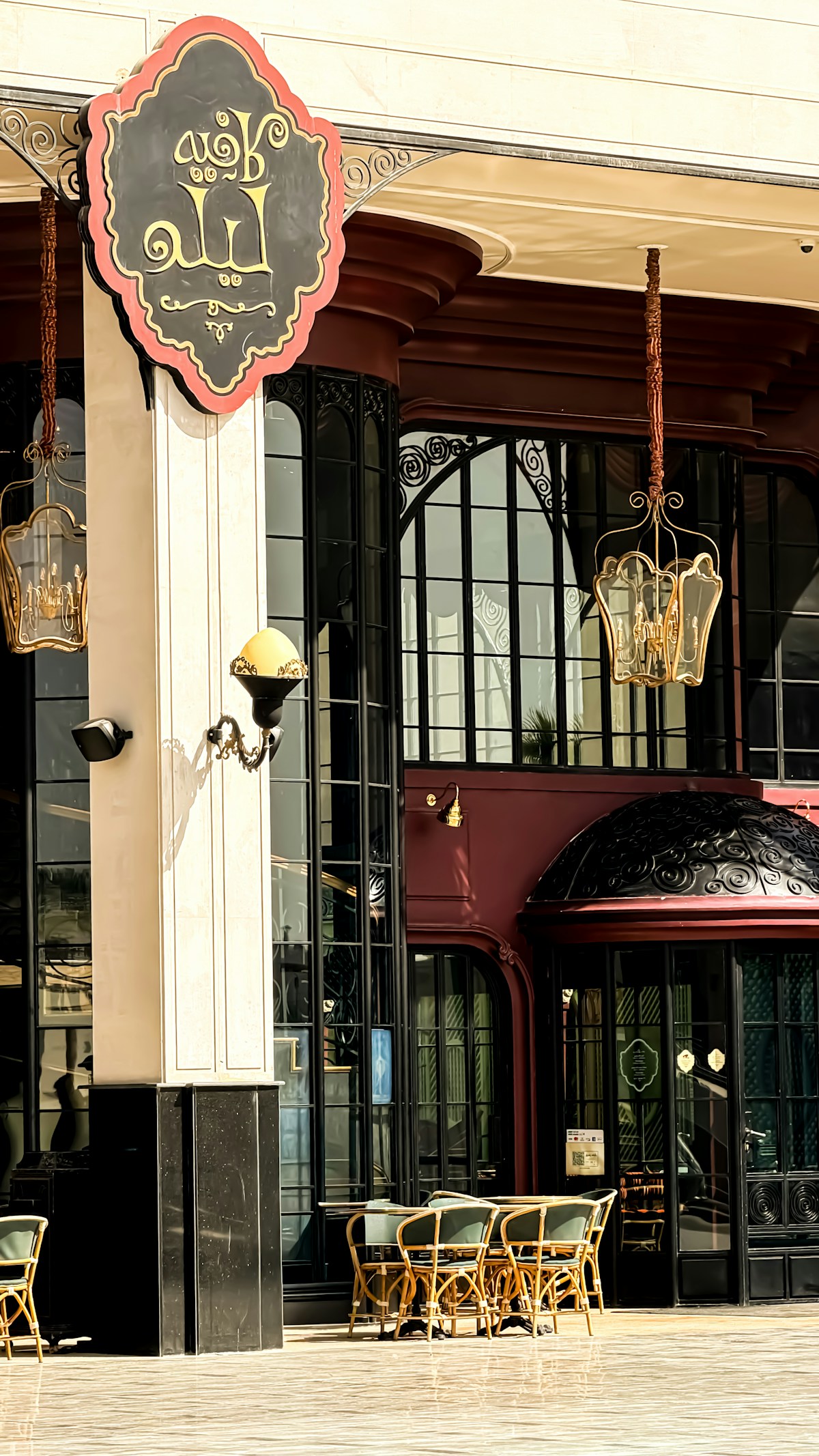
Lebanese restaurants on Prince Turki bin Abdulaziz Road: this commercial strip hosts several Lebanese-style restaurants covering both the fast-casual (shawarma, falafel, hummus) and the sit-down mezze segments. Al-Falamanki and Leila are the two best-known operators here with sit-down dining; Zaatar w Zeit handles the fast-casual end across multiple locations. A full mezze spread with grilled meats at a mid-range Lebanese restaurant runs approximately SAR 50–90 per person.
Mall-based international dining: Al Rashid Mall and Marina Mall in Al Khobar house the most concentrated clusters of international restaurant chains and regional brands. Japanese, Korean, Italian, American casual dining, and pan-Asian options are all represented. Price ranges broadly follow global chain expectations: SAR 55–110 per main at a mid-range international restaurant. The quality is reliable rather than remarkable, but the variety is genuinely broad for a Saudi city of this size.
Half Moon Bay restaurants: approximately 30km south of central Al Khobar along the coast road, the Half Moon Bay area has become a destination for waterfront seafood dining and beachside cafes. The drive is part of the experience; the restaurants here tend to have more outdoor space and a resort feel compared to the dense city Corniche. Seafood mains from SAR 80–160; some venues require reservations on weekends.
Indian and Pakistani restaurants in the commercial districts around Al Khobar’s older residential quarters serve South Asian halal food, biryani, daal, karahi, at prices substantially below the tourist-facing restaurants. SAR 18–35 per main. The customer base is largely the South Asian community that works in the construction and services sectors of the Eastern Province.
International Dining Scene
The Saudi Aramco effect on Al Khobar’s food culture is real and visible. American-style burger and fast food culture arrived here before it reached most of Saudi Arabia, simply because American oil workers created the market. What developed over decades is a restaurant ecosystem that is less Saudi-specific than Riyadh’s and more accustomed to accommodating dietary variety, though alcohol remains entirely unavailable, as across Saudi Arabia.
Coffee culture is extremely well developed in Al Khobar. Specialty coffee shops cluster around the commercial areas near Al Rashid Mall and along the Corniche. The Saudi third-wave coffee scene, with locally-roasted specialty beans, pour-over methods, and proper barista training, has matured significantly since 2019 and Al Khobar has several genuine specialty shops alongside the global chain presence. Kava on Al Khobar’s main commercial strip and Brew92 near the Corniche are two of the most consistent specialty roasters in the Eastern Province. A specialty pourover costs approximately SAR 18–28; a cortado from a local specialty roaster is typically SAR 15–20.
Japanese and Korean restaurants: the appetite for East Asian food in Al Khobar is well established, partly due to the presence of South Korean and Japanese engineering contractors and their families connected to Aramco projects. Several Japanese restaurants in the city centre and mall zones offer sushi, ramen, and teppanyaki at SAR 55–120 per main; Korean BBQ restaurants follow a similar price range. Matagi and Nori are two consistently rated Japanese options in the Al Rashid Mall area.
Practical Dining Tips for Al Khobar
Bahrain day trips affect weekend demand. Al Khobar is 30 minutes from the King Fahd Causeway connecting Saudi Arabia to Bahrain, and a significant number of Bahrainis cross for weekend dining (Friday-Saturday in Saudi Arabia). Popular restaurants in Al Khobar fill up early on Thursday evening and Friday lunch; these are the peak weekend dining periods. Book ahead or arrive before 20:00 on these nights.
Mall restaurants are busiest on Thursday and Friday evenings. The family outing to a mall is central to Eastern Province social life. If you want a quieter experience, eat at Corniche or standalone restaurants on weekday evenings.
The Corniche fish restaurants do not take reservations. These are first-come operations. Arriving at 18:00 (early by Saudi standards) is the most reliable way to get a table at the popular spots without a wait.
Dining in mixed-gender groups is straightforward. Al Khobar follows the Saudi Vision 2030-era normalisation of mixed dining; families, couples, and mixed groups of friends all eat together in the same dining rooms. The old family/singles section separation has been phased out.
Take a Guided Food Tour of Al Khobar
Al Khobar’s unusually layered food landscape — traditional Gulf machboos alongside Japanese ramen, Lebanese mezze, and fresh Arabian Gulf seafood at the Corniche restaurants — is easier to navigate with a guide who traces the connections between these culinary traditions. A guided food experience in the Eastern Province typically covers the fish market where you select your catch by weight, a Corniche seafood restaurant for Gulf-caught hammour and shrimp, and a traditional Gulf-cuisine specialist serving machboos cooked with the bezar spice blend that distinguishes Eastern Province food from anything inland. The Saudi Aramco era and its effect on the city’s international food culture is the kind of story that lands better with local context.
Browse Al Khobar and Eastern Province tours on GetYourGuide for day tours, Gulf seafood experiences, and guided food activities. The Dammam food guide covers the bezar-spiced machboos tradition of Al Khobar’s twin city 30km north.
Delivery Apps and Booking Restaurants
HungerStation and Jahez are the primary food delivery platforms in Al Khobar, both available on iOS and Android. Most of the Corniche fish restaurants and traditional Gulf-cuisine specialists are walk-in only and do not list on delivery apps. The delivery inventory skews toward chain restaurants, international fast food, and the better-known Lebanese and Indian restaurants.
For sit-down restaurants at Half Moon Bay and the luxury hotel dining rooms (Sheraton Al Bander, Le Meridien), reservations are recommended on Thursday and Friday evenings. Call directly or use Table (the Saudi restaurant booking app) for same-day reservations. Most Corniche casual restaurants do not accept advance bookings and operate on a first-come basis.
Seasonal note on seafood: the Arabian Gulf fishing season affects supply. The summer months (June-September) are when local Gulf shrimp are at their freshest; king prawns peak in July and August. Hammour grouper is available year-round but the quality is highest in the cooler months (November-March) when the fish are more active in deeper Gulf waters. If you are visiting specifically for seafood, the winter season delivers the broadest fresh fish selection at Corniche restaurants.
Prices are slightly higher than in Riyadh for equivalent international food, reflecting the higher proportion of expat patrons and import costs for non-Saudi products. Traditional Saudi food is priced competitively everywhere in the city.
The best value seafood is consistently at the unpretentious Corniche restaurants rather than the mall-based seafood chains. The supply chain is shorter, the fish is fresher, and the overhead costs are lower. Skip the elaborate presentation and go for the grill.
Plan Your Stay
Find hotels in Al Khobar — search accommodation across all budgets in Al Khobar.