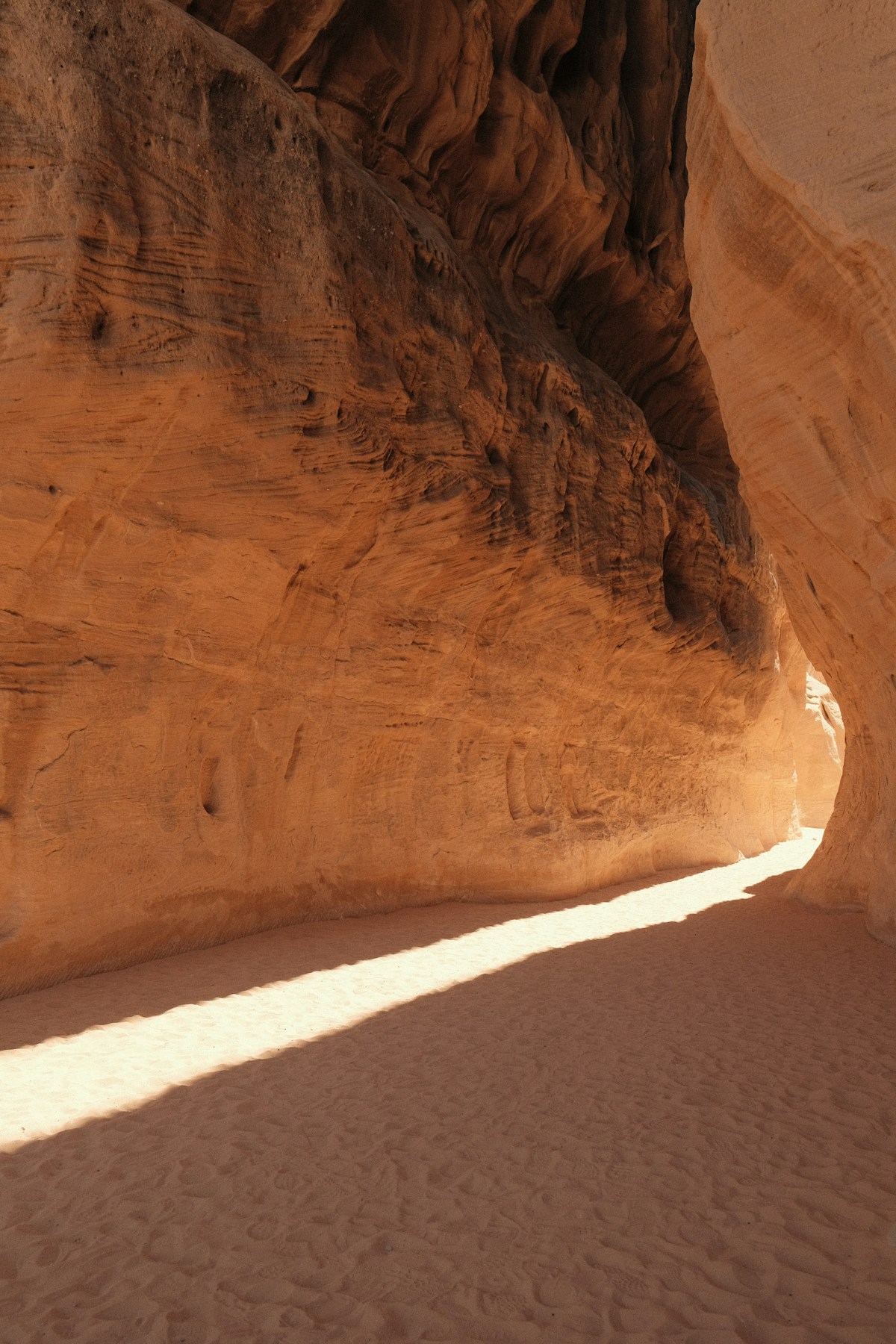
AlUla is Saudi Arabia’s most ambitious tourism project - a UNESCO-scale archaeological landscape in the northwest Hejaz mountains, home to the ancient Nabataean city of Hegra (Madain Salih), Dadan, Jabal Ikmah, and some of the most striking sandstone formations in the world. The destination is still maturing, which means accommodation is more limited than the scale of the destination warrants - but what exists is genuinely exceptional, and the range has grown significantly since 2022.
The Landscape Context
AlUla’s accommodation is spread across a 200-km valley system. Most properties sit within 20–40 minutes’ drive of Hegra, the principal heritage site. A car or arranged transport is essential - there is no public transit, and distances between sites are too great for walking.
Luxury Eco-Resorts: AlUla’s Signature Experience
AlUla’s luxury properties are some of the most architecturally distinctive hotels in the Middle East. They lean into the landscape rather than against it - low-rise, desert-palette, often with private plunge pools facing cliff faces and canyon walls.
Aman Suhayliyah (from approximately SAR 3,500 per night as of 2026): The most talked-about property in AlUla - Aman’s first Saudi hotel, a collection of free-standing casitas set into a sandstone canyon with direct views across the valley to Hegra. Designed by Jean-Michel Wilmotte and built in collaboration with the Royal Commission for AlUla. Pool villas start at approximately SAR 3,500 per night; suites run significantly higher. Breakfast is included. Advance booking of six to eight weeks is advised during the Winter at Tantora festival season (December–March).
Banyan Tree AlUla (from approximately SAR 2,500 per night as of 2026): One of AlUla’s most established luxury properties. Banyan Tree’s experience in eco-resort design translates well to the desert landscape - pavilion-style villas set among the sandstone rocks, with views across the valley. The pool area and outdoor dining terraces are beautifully designed. Best for couples and honeymooners who want a seamless luxury experience with full services. Book direct at banyan-tree.com for best rates; minimum stays apply during festival season.
Habitas AlUla (from approximately SAR 1,800 per night as of 2026): Habitas pioneered AlUla’s eco-resort concept - a collection of modular dome tents and rammed-earth structures in a palm grove, with outdoor cinema, yoga pavilion, and guided stargazing. Less formal than Aman and popular with younger international travellers. The onsite restaurant uses local produce and is genuinely one of the better eating experiences in the region. The communal areas (restaurant, lounge, fire pit) foster a social atmosphere that makes it particularly suited to solo travellers and smaller groups.
Shaden Resort (from approximately SAR 1,200 per night as of 2026): A newer entrant and the most accessible of AlUla’s luxury options in price terms. Palm-frond shading, a large pool, and a strong breakfast spread. Canyon views from upper rooms. A good choice for travellers who want eco-resort atmosphere without the Aman price point. Closer to the old town, making it practical for cultural visitors.
Mid-Range: Valley Hotels and Guesthouses
The mid-range category in AlUla has expanded since 2023, though options remain fewer than in major Saudi cities.
Naur Boutique Resort (from approximately SAR 550–850 per night as of 2026): A restored traditional mud-brick property in AlUla Old Town, with 15 rooms, rooftop terrace, and a good location for walking the Old Town lanes after dark. From approximately SAR 580 per night including breakfast. Atmosphere is strong - this is genuinely old architecture, not a replica.
Ashar Resort (from approximately SAR 480–700 per night as of 2026): A newer property in the Al-Ashar area with traditional architecture. Positioned to serve the cultural tourism market around the festivals. Well-reviewed for its combination of heritage aesthetic and modern comforts.
AlUla Old Town guesthouses (from approximately SAR 350–550 per night as of 2026): Several family-run guesthouses in AlUla Old Town offer rooms from approximately SAR 350–400 per night. English-language service varies, but prices are significantly lower than the resort belt.
Maraya Social Hotel (from approximately SAR 480–650 per night as of 2026): Located near the Maraya concert hall (the mirror-clad venue visible from the highway), this newer property suits travellers combining heritage sightseeing with the arts and music events programme. From approximately SAR 500 per night.
Desert Camps: Sleeping Under the Stars
AlUla’s desert camps are a different category of experience - more basic than the eco-resorts but with an atmosphere that fixed buildings can’t replicate. Most camps operate October through March only; summer heat makes overnight stays outside air-conditioned accommodation unpleasant.
Hegra Camp experiences (from approximately SAR 600–1,000 per night as of 2026): Several operators near Hegra offer overnight camp packages combining dinner, stargazing, and a sunrise Hegra visit before the day-tripper crowds arrive. Accommodation ranges from furnished Bedouin-style tents to more structured glamping units with private bathrooms. Rates from approximately SAR 650 per night per person including dinner and breakfast. Booking through the Royal Commission for AlUla’s official platform (experiencealula.com) gives access to the widest range of licensed operators.
Dadan Valley camps (from approximately SAR 500–800 per night as of 2026): Smaller camps closer to the Dadan archaeological site offer similar experiences to the Hegra camps. Less visited and often better value. From approximately SAR 550 per night.
Before you book your room, sort your travel insurance to cover the stay, arrange an airport transfer so the arrival is smooth, and consider picking up a local eSIM to stay connected from the moment you land.
Booking Tips for AlUla
Book early for festival season: The Winter at Tantora festival (December through March) is AlUla’s peak period. Aman and Habitas sell out entirely for key event weekends - sometimes six months in advance. Mid-week stays in January or February often have better availability and occasionally lower rates.
Transport: All major hotels offer transfers from AlUla Regional Airport (ULH), which has direct flights from Riyadh and Jeddah. For independent movement, rent a car at the airport - a 4WD is not essential for the main sites but useful for unpaved tracks.
Site access: Hegra requires pre-booked tickets (experiencealula.com). Entry costs approximately SAR 95 per person as of 2026. The site has timed-entry slots - book before you arrive, not on arrival.
Minimum stays: Many AlUla properties require minimum 2-night stays during festival season. Check before booking.
For the full landscape of what AlUla offers, read the AlUla city guide. For a structured itinerary, the Winter at Tantora festival guide covers the full event programme.
Additional AlUla properties: Dar Tantora Heritage House Hotel in AlUla Old Town is one of the most distinctive stays in the Kingdom - a restored traditional mud-brick residence with atmospheric rooms and a courtyard setting; from approximately SAR 600 per night. Caravan by Habitas AlUla is a more accessible price point than the main Habitas property, with the same focus on curated experiences and community; from approximately SAR 700 per night. Sahary AlUla Resort is a desert camp-style property with tent accommodations and guided excursions; from approximately SAR 500 per night.
See Also
- AlUla City Guide
- AlUla Things to Do
- AlUla 3-Day Itinerary
- Winter at Tantora Festival
- Hegra (Madain Saleh) - the Nabataean tombs that anchor any AlUla visit
- Best Time to Visit Saudi Arabia - AlUla is best October–March