World Tourism Day 2026 falls on 27 September, and this year’s theme — “Digital Agenda and AI to Redesign Tourism” — sits at the centre of Saudi Arabia’s Vision 2030 strategy. The Kingdom has moved quickly to make its ambitions concrete, positioning itself as one of the leading examples of AI-enabled destination management globally.
Nusuk’s AI Assistant: 180 Languages, 2 Million Users
The most visible example is the Nusuk platform’s AI-powered assistant, which now operates in 180 languages and has supported more than two million users navigating Hajj and Umrah logistics. The tool handles permit applications, route planning, accommodation queries, and real-time crowd guidance for the holy sites in Mecca and Medina — a logistical challenge that serves the largest annual peaceful gathering of people on Earth.
For travellers planning a pilgrimage to Saudi Arabia, this represents a meaningful shift: multilingual digital support removes one of the most significant friction points for non-Arabic speakers attempting to navigate complex religious travel requirements.
Smart Destination Management Beyond the Holy Cities
The AI agenda extends well beyond pilgrimage. Saudi Arabia’s Ministry of Tourism signed a memorandum of understanding with Accenture to develop smart tourism infrastructure across the Kingdom’s key destinations. Riyadh and AlUla are among the first cities targeted for integrated data platforms that track visitor flows, optimise guide-to-visitor ratios on heritage site tours, and provide real-time capacity management.
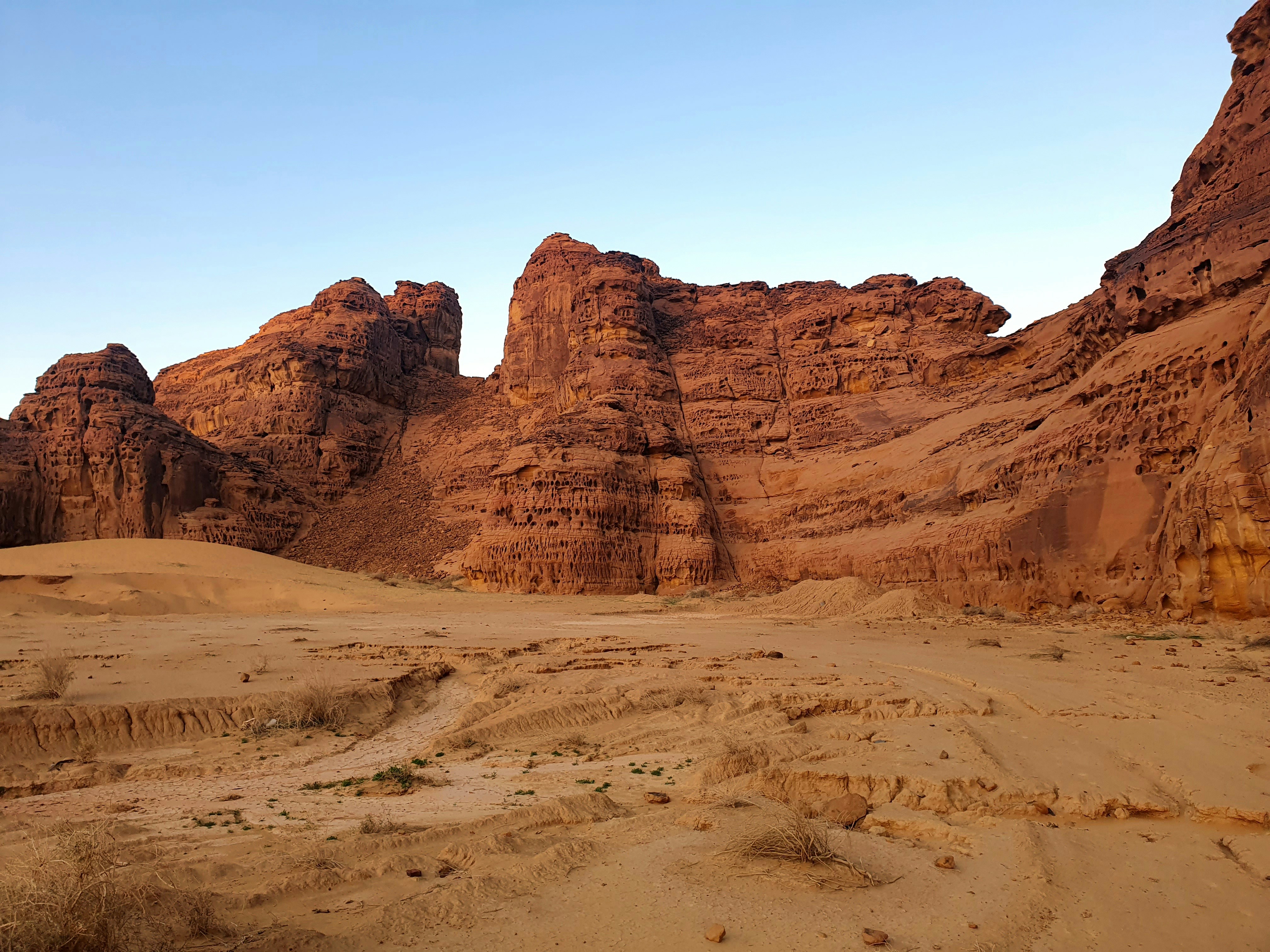
These systems are designed to solve a genuine problem: Saudi Arabia’s ambition to attract 150 million visitors per year by 2030 requires infrastructure that scales without degrading the experience. AI-driven crowd management at sites like Hegra and the Edge of the World — two of the most popular stops on tours of Saudi Arabia — means authorities can cap group sizes and reroute visitors before bottlenecks form.
What This Means for Visitors in 2026
Practically speaking, visitors to Saudi Arabia in the coming months can expect wider deployment of AI-powered translation at heritage sites, digital queuing systems at high-demand attractions, and expanded English and multilingual interfaces on the official Nusuk app.
The Vision 2030 target of attracting visitors across all seasons is also supported by these tools. If you are deciding when to visit Saudi Arabia, the shoulder months — spring and autumn — remain the most comfortable, and the AI-curated itinerary tools on Nusuk are now better equipped to suggest routes based on real-time weather conditions and site availability.
Saudi Arabia’s approach on World Tourism Day 2026 is less a celebration and more a statement of intent: the Kingdom intends to use technology not as a novelty layer on top of existing infrastructure, but as the operating system for how it manages and grows its tourism sector in the decade ahead.