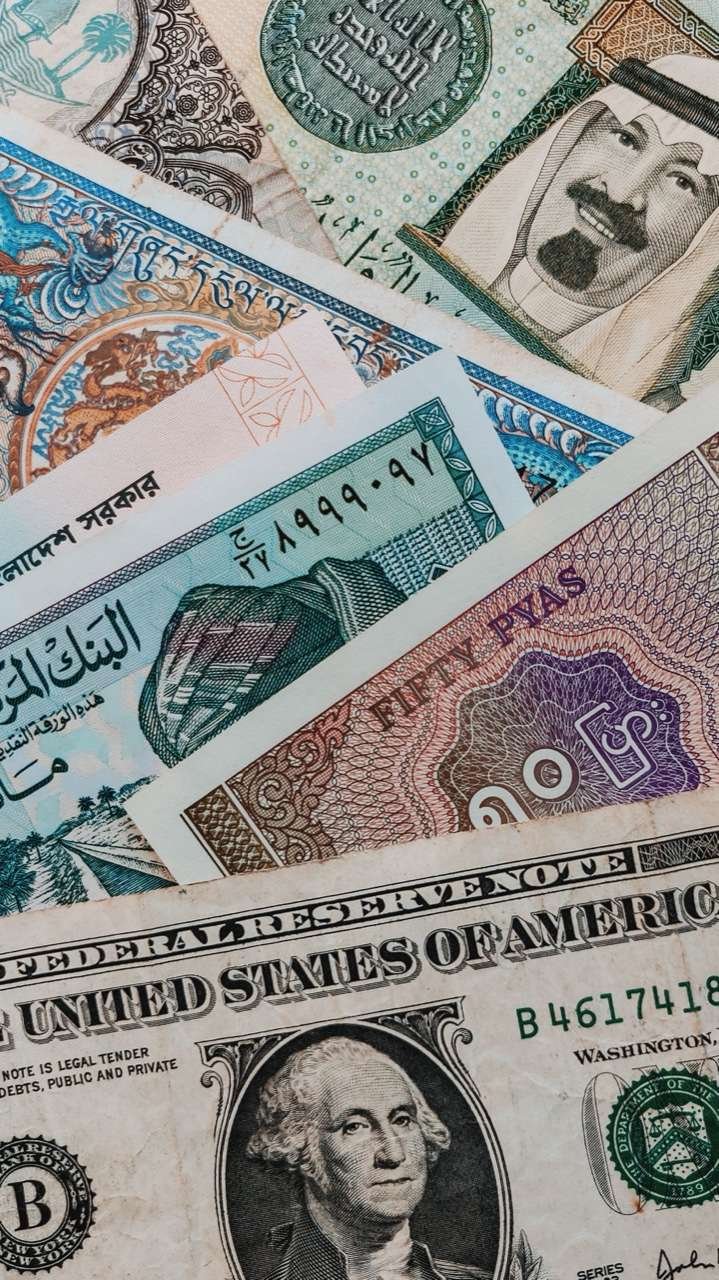
Saudi Arabia is a straightforward country for money. The Saudi Riyal is one of the world’s most stable currencies, the banking network is modern, and card payments work reliably in cities. The main thing travellers underestimate is cash dependency in markets and smaller towns.
Money in Saudi Arabia at a glance, with the figures covered in this guide:
| Topic | Details |
|---|---|
| Currency | Saudi Riyal (SAR), pegged at 3.75 SAR per USD since 1986 |
| Budget travel | Approximately SAR 150-250 per day (USD 40-65) |
| Mid-range | Approximately SAR 400-700 per day (USD 107-187) |
| Comfortable | Approximately SAR 900-1,500+ per day (USD 240-400+) |
| ATMs | Widespread; typical cap of SAR 3,000 per withdrawal, with a fee of around SAR 15-25 for foreign cards |
| Cards | Visa and Mastercard accepted in most hotels, restaurants and shops in cities |
The Saudi Riyal
The official currency is the Saudi Riyal (SAR), abbreviated to SR on price tags and receipts. One riyal divides into 100 halalas, though halala coins are rare in daily use. Banknotes come in denominations of 1, 5, 10, 50, 100, 200, and 500 SAR.
The riyal has been pegged to the US dollar at exactly 3.75 SAR per USD since 1986 - this peg is one of the oldest and most stable in the world and is not expected to change. The practical benefit is simple mental maths: divide any SAR amount by roughly 3.75 to get a dollar equivalent. 100 SAR = approximately $26.70.
At the time of writing:
- 1 USD = 3.75 SAR
- 1 EUR = approximately 4.05 SAR
- 1 GBP = approximately 4.75 SAR
Where to Exchange Currency
Airports offer currency exchange at all major terminals (King Khalid in Riyadh, King Abdulaziz in Jeddah, King Fahd in Dammam). Rates at airports are poorer than in-city, but acceptable for small amounts on arrival.
Currency exchange offices (sarrafas) in city centres and shopping malls offer better rates than banks. In Riyadh, the Tahlia Street and Olaya areas have multiple exchange offices. In Jeddah, Al-Balad and Palestine Street have competitive rates. Always check the rate board before handing over cash.
Banks accept currency exchange with valid passport but often involve queuing. Not generally the fastest option for tourists.
Avoid exchanging large amounts at hotel front desks - rates are consistently the worst available.
ATMs
ATMs are everywhere in Saudi Arabia: inside shopping malls, at petrol stations, attached to bank branches, and in hotel lobbies. The Mada network connects all major Saudi banks and accepts international Visa and Mastercard.
Reliable ATM networks for foreign cards include:
- Saudi National Bank (SNB) - widest coverage nationally
- Al Rajhi Bank - largest Islamic bank, ATMs across the country including smaller towns
- SABB (HSBC affiliate) - accepts international cards without issues
- Riyad Bank - common in commercial areas and airports
- Citibank - limited to major cities but good for international card holders
Withdrawal limits vary by bank but typically cap at 3,000 SAR per transaction. Foreign card holders pay an ATM fee of around 15-25 SAR per withdrawal, plus whatever your home bank charges. Minimise fees by withdrawing larger amounts less frequently rather than topping up in small amounts.
Card Payments
Visa and Mastercard work in the vast majority of hotels, restaurants, supermarkets, petrol stations, and retail shops across Saudi Arabia. American Express is accepted at five-star hotels and upscale venues but is not universal.
Contactless and mobile payment is widespread in cities. Apple Pay and Google Pay are accepted at most modern POS terminals, particularly in Riyadh and Jeddah. In smaller cities and rural areas, card acceptance is less reliable.
Saudi Arabia has its own domestic payment network called Mada, which links Saudi bank accounts. As a visitor you won’t have a Mada card, but you’ll see the logo everywhere - Mada terminals also accept Visa and Mastercard, so this is not a concern. We go into more detail in Tipping in Saudi Arabia.
How Much Things Cost
Saudi Arabia is mid-range overall. Accommodation and some restaurants are priced comparably to European capitals, while transport and everyday food remain inexpensive.
Budget (hostels, local restaurants, public transport): approximately 150-250 SAR per day (40-65 USD).
Mid-range (3-star hotels or Airbnb, mix of restaurants, occasional tours): approximately 400-700 SAR per day (107-187 USD).
Comfortable (4-5 star hotels, regular dining out, private transport): 900-1,500+ SAR per day (240-400+ USD).
Indicative prices:
- Shawarma or falafel wrap from a street stall: 5-10 SAR
- Sit-down meal at a mid-range restaurant: 40-90 SAR per person
- Specialty coffee (Dunkin, Starbucks, or Saudi cafe): 15-25 SAR
- 1.5L water bottle from a supermarket: 1-2 SAR
- Taxi within Riyadh city (10km): 25-40 SAR via Uber or Careem
- Domestic flight Riyadh to Jeddah: from 120 SAR one way with flynas or flyadeal
- AlUla Heritage Site day tour: 350-600 SAR depending on operator
- Budget hotel in Riyadh (3-star): 200-350 SAR per night
To turn these prices into a total for your dates, use our Saudi Arabia trip cost calculator, or read the full Saudi Arabia budget guide.
Tipping Culture
Saudi Arabia has no mandatory tipping culture, and service charges are sometimes included on restaurant bills (check before tipping twice). That said, tipping is appreciated.
Practical guidelines:
- Restaurants: 10 percent is generous, 5 percent is fine. Check if service charge is on the bill.
- Taxis and rideshare: not expected, but rounding up on cash is fine.
- Hotel bellhops and porters: 5-10 SAR per bag.
- Tour guides: 20-50 SAR per person per day for good service.
- Housekeeping: 10-20 SAR per night in mid-range and above hotels.
Workers from South and Southeast Asia fill many service roles and often rely on tips to supplement modest wages. Tipping them directly is appreciated and appropriate.
Practical Money Tips
Inform your bank before travel. Saudi Arabia flags as unusual activity for many European and North American banks. A quick call or app notification before departure prevents your card being blocked.
Get mobile data before you land. An eSIM for Saudi Arabia lets you use banking apps, ride-hailing and payment verification codes from arrival, with no queue at the airport SIM counter.
Carry some cash at all times. Markets (souks), small restaurants, mosque donation boxes, and rural petrol stations often expect or require cash.
Friday prayers affect banking hours. Banks are closed on Fridays (Saudi weekend). ATMs continue to operate 24/7, so cash access is not affected, but in-branch services are not available Friday morning.
Large bills can be hard to break. A 500 SAR note handed over for a 15 SAR purchase at a small stall may cause difficulty. Keep a stock of 10, 50, and 100 SAR notes for daily use.
VAT is 15 percent since July 2020 and applies to most goods and services. Prices in malls and formal restaurants typically include VAT; check smaller establishments.