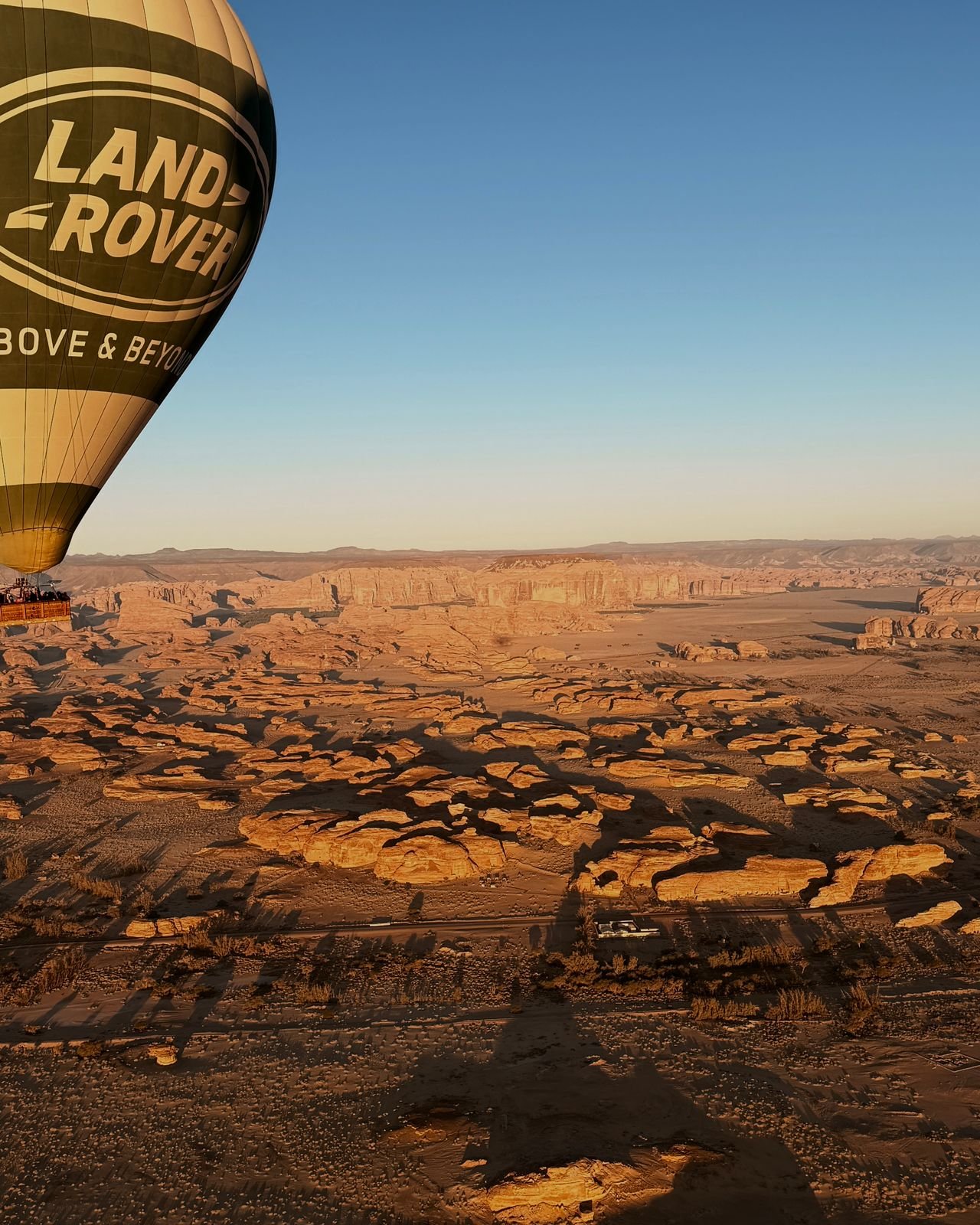
January is the month AlUla was made for: days sit near 20°C, but nights fall to about 6°C and frost is possible at dawn. The combination of Winter at Tantora concerts at Maraya, ideal temperatures for the Hegra archaeological site, and the valley in its peak condition draws visitors from across the Gulf and Europe. It is also the month when AlUla’s accommodation sells out fastest - if you are planning a January visit, the 6-week booking rule is not a recommendation but a practical necessity.
For the full country picture, see our Saudi Arabia in January guide.
January 2027 Update
Refreshed on 4 November 2026. The 2025-26 Winter at Tantora ran from 18 December to 10 January, so January coverage in 2027 depends on the calendar the Royal Commission for AlUla has not yet published; check experiencealula.com before booking Maraya tickets. Hegra, Dadan and the Old Town do not depend on the festival and stay open through the winter. Airline schedules to Saudi Arabia have also shifted this autumn, so read our KLM and Etihad Saudi flights update before booking. We could not verify 2027 concert lineups or ticket prices; figures here are approximately as of 2026.
AlUla January Weather: Warm Days, Very Cold Nights
| January Average | |
|---|---|
| Daytime high | 20°C |
| Nighttime low | 6°C |
| Conditions | Sunny, occasional wind, frost possible at elevation |
| Rain days | 0–1 |
| Sunshine hours | 9 per day |
| UV index | Moderate (4–5) |
The temperature gap between day and night in AlUla in January is one of the most extreme in the region - 14°C difference is common. This matters practically: morning Hegra visits that start at 08:00 begin in genuine cold (6–8°C with wind chill from the valley), while afternoon exploration of Elephant Rock at 14:00 can be done in a light shirt. Pack both.
Winter at Tantora: Maraya Concerts and Valley Events
Winter at Tantora is AlUla’s annual cultural festival. January represents its peak - the full concert programme is running, the valley landscape is at its greenest (relative to the rest of the year), and daytime temperatures are ideal for outdoor site visits.
The centrepiece is Maraya Concert Hall - a 9,740 square-metre structure entirely clad in mirrors that reflects the surrounding sandstone landscape. It holds approximately 500 people and hosts world-class music performances through the winter season. The building is visually extraordinary in January morning light when the rock formations are reflected in the full facade.
Concert ticket prices range from approximately SAR 200 for smaller acts to SAR 800+ for international headliners. Tickets are sold via alula.events and sell out quickly for popular acts - check as soon as your travel dates are confirmed. Non-concert programme items (arts exhibitions, wellness events, cultural workshops) are less capacity-constrained but still worth booking 1–2 weeks ahead.
For dinner, book a restaurant near the Maraya Concert Hall or at your own resort, especially on concert nights. Book ahead for dinner on concert nights.
Hegra (Madain Saleh): Saudi Arabia’s First UNESCO World Heritage Site
Hegra is AlUla’s centrepiece archaeological site - over 100 Nabataean rock tombs carved into free-standing sandstone formations, a UNESCO World Heritage Site since 2008. The scale and open-landscape drama here surpasses Petra in Jordan: the tombs are spread across multiple isolated rock formations across a wide plain rather than carved into a single canyon wall.
Guided tours are mandatory. Tours depart from the AlUla Visitor Centre and run approximately 2.5 hours. The best morning light falls on the main tomb facades (particularly Jabal Al-Ahmar and Qasr Al-Farid, the “Lonely Castle”) between 08:00 and 10:30. January’s low sun angle produces longer shadows across the carved inscriptions - the most photogenic conditions of the year.
Book via the AlUla Experience app or the official Experience AlUla website. January is the busiest period and tours fill 2–3 weeks ahead; book the moment your travel dates are confirmed. Prices are approximately SAR 95 per adult for a standard morning tour.
Search Hegra guided tours and AlUla experiences
Elephant Rock (Jabal Al-Fil): Sunset Photography in January
Elephant Rock - a 52-metre freestanding sandstone formation naturally eroded into the shape of an elephant - is AlUla’s most-photographed landmark. Access is free and unguided, a 10-minute walk from the carpark off the Medina Road. For more on this, see Best Time to Visit AlUla.
The Rum AlUla restaurant operates directly beside Elephant Rock - a fully outdoor venue with fire pits, cushioned seating, and traditional Saudi food (SAR 80–140 per person). January evenings here are cold (10–12°C by sunset) but the combination of fire pits, warm food, and the rock formation lit from below makes this one of the best evening experiences in Saudi Arabia in winter. Book ahead - the restaurant has limited capacity.
The golden hour in January falls around 16:45. Arrive by 16:00 to settle before the light.
Dadan and Jabal Ikmah: AlUla’s Pre-Nabataean Layer
Most visitors focus on Hegra and miss the adjacent Dadan and Jabal Ikmah sites - which predate the Nabataean period by several centuries. Dadan (also called Al-Khuraybah) contains Dadanite and Lihyanite rock tombs dating to approximately 900 BCE - they are carved higher on the cliff face than the Nabataean tombs at Hegra, with a different architectural style.
Jabal Ikmah is described by Saudi archaeologists as an outdoor library: a sandstone mountain north of the AlUla valley whose faces carry hundreds of inscriptions in multiple ancient scripts (Dadanite, Lihyanite, Nabataean, Minaic, Aramaic) representing one of the most significant epigraphic concentrations in the Arabian Peninsula. Access is via guided tour from the AlUla Visitor Centre; combined Dadan/Jabal Ikmah tours run approximately 2 hours and are priced separately from Hegra. Budget a dedicated half-day for this rather than combining with a Hegra morning.
AlUla Old Town: The Medieval Mud-Brick Village
The abandoned mud-brick settlement of AlUla Old Town sits at the base of a cliff at the northern end of the valley. Occupied from the 13th century until the 1980s, it contains approximately 900 houses arranged in tight alleys up to 7 storeys tall, built directly into and against the cliff face. Entry is via guided tour from the AlUla Visitor Centre (approximately SAR 45 per adult); January daylight hours give comfortable time for a 90-minute guided exploration.
Adjacent to the old town, the AlUla Oasis - a productive palm and citrus grove that has been farmed continuously for over 2,000 years - is one of the few points in AlUla where the agricultural foundation of the ancient Dadanite and Lihyanite civilisations is directly visible. Walking through the oasis is free.
Search AlUla Old Town and valley tours
Where to Stay in AlUla in January
| Property | Style | Approx. rate (SAR/night) |
|---|---|---|
| Habitas AlUla | Eco-camp, Ashar Valley | 2,000–4,000+ |
| Banyan Tree AlUla | Boutique resort, valley views | 2,500–5,000+ |
| Shaden Resort | Mid-range, close to Old Town | 900–1,800 |
| Ula Nite Hotel | Budget, AlUla town | 400–700 |
Habitas AlUla in the Ashar Valley (a 10-minute drive from the visitor centre) is the most-requested property. It sits among sandstone formations and offers the most direct access to the valley landscape. Fully booked through most of January by early December - do not wait.
Banyan Tree AlUla opened in 2024 and offers larger rooms with private plunge pools and panoramic valley views. The most expensive and most architecturally dramatic option.
For budget stays, Ula Nite Hotel in AlUla town is functional and well-located for the visitor centre; book 4–5 weeks ahead.
Search AlUla hotels and resorts
January Logistics: Cold Mornings, Hegra Transport and Camel Festival Access
- Transport within AlUla: a rental car or organised tour vehicle is essential - the distances between sites (Hegra is 22 km from AlUla town, Elephant Rock is 11 km) are not walkable. No reliable public transport operates between sites. The AlUla Experience app runs a booking system for some site shuttles but availability is limited during peak season
- Camel Festival connection: the King Abdulaziz Camel Festival is held at Al-Sayahid in the Al-Dahna desert, roughly 650 km or more from AlUla by road; 2026-27 dates are unconfirmed. Combining AlUla and the Camel Festival in one trip requires either a domestic flight via Riyadh or a two-day drive; most visitors choose one or the other
- Photography gear: bring a fast lens or camera capable of low-light performance for Maraya evening events and Hegra early morning visits
- Warm layers are non-negotiable: frost is possible before dawn in the valley. Early morning Hegra tours are genuinely cold
January Trip Planning for AlUla
- AlUla city guide - full guide to the valley, sites, and logistics
- AlUla 3-day itinerary - Hegra, Elephant Rock, and Dadan in 72 hours
- 5-day AlUla itinerary - deeper coverage including Dadan and Jabal Ikmah
- Saudi Arabia winter itinerary - AlUla, Diriyah, and Riyadh in one trip
- Saudi Arabia in January - country overview with Riyadh and Jeddah conditions
- Winter at Tantora guide - concerts, tickets, and festival overview
Plan Your AlUla Trip
✈️ Book flights to Saudi Arabia 🛡️ Get travel insurance 📱 Stay connected with an eSIM 🚗 Rent a car in Saudi Arabia