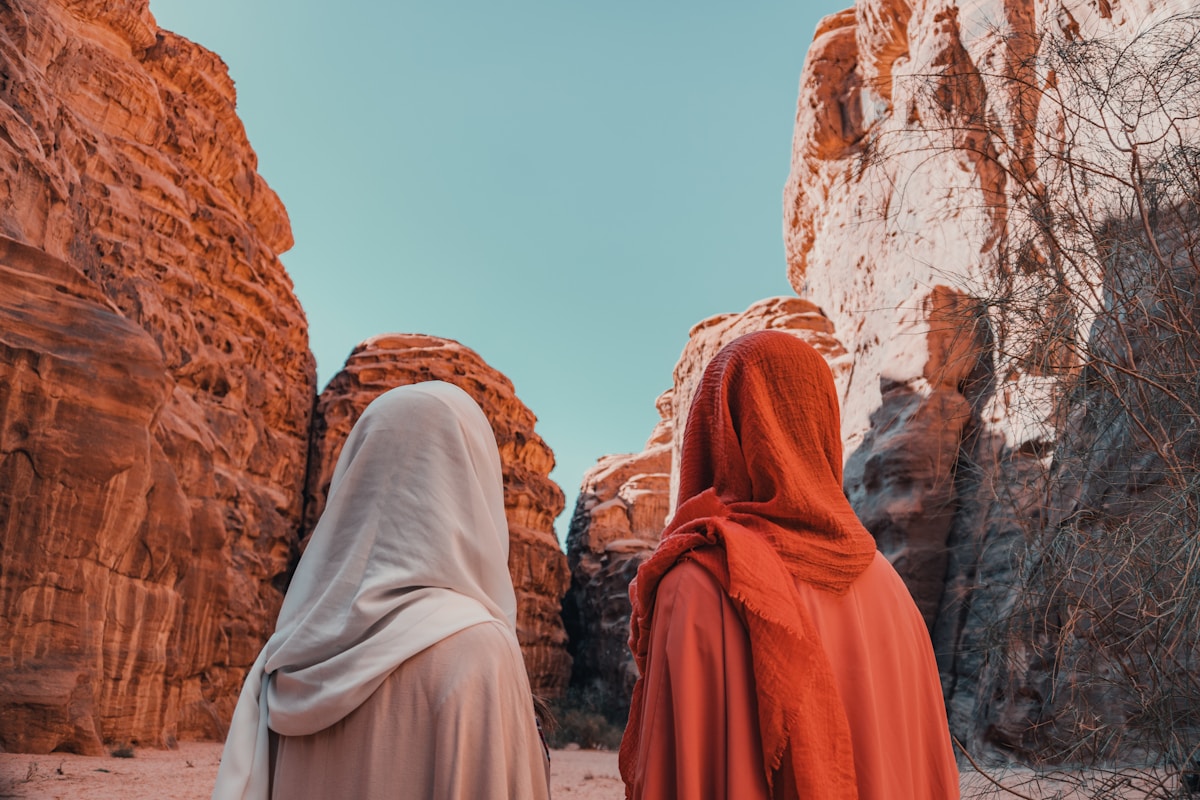
Americans visit Saudi Arabia in growing numbers - for business, for pilgrimage (Muslim Americans performing Umrah), for leisure travel to AlUla, Riyadh, and Jeddah, and for the growing sports and events calendar. The question of safety is reasonable and deserves a clear answer that goes beyond reassurance or alarm.
The short answer: Saudi Arabia is safe for American tourists by most physical measures, but it requires real advance preparation around its laws, and several categories of traveller face specific risks that do not apply in other popular destinations.
The US State Department Picture
The US State Department currently rates Saudi Arabia at Level 2 (Exercise Increased Caution) - the same rating applied to France, Germany, the UK, and dozens of other countries Americans visit without concern. Level 2 is not a “do not travel” designation. It flags elevated general awareness rather than specific threats to American citizens.
The exception is the Yemeni border zone - areas of Najran, Jizan, and southern Asir within approximately 10km of the Yemeni border - rated Level 3 (Reconsider Travel) due to Houthi cross-border attacks. If you are visiting Riyadh, Jeddah, AlUla, Abha city, the Eastern Province, or any of the main tourist destinations, you are nowhere near these border areas.
What to do: Register with the Smart Traveler Enrollment Program (STEP) at step.state.gov before travelling. This is free, takes 5 minutes, and ensures the US Embassy can contact you in an emergency. The US Embassy in Riyadh and the Consulate in Jeddah can assist American citizens in emergencies.
Physical Safety: Street Crime and Terrorism
Street crime: Very low. Pickpocketing, mugging, and theft are significantly less common in Riyadh, Jeddah, and AlUla than in comparable US or European cities. American tourists report feeling physically safe on the street - this is consistent with crime statistics and with the on-the-ground experience of most visitors.
Terrorism: Saudi Arabia has experienced terrorist attacks, and the government maintains a high security posture. Public spaces, government buildings, and transportation hubs have visible security presence. No major terrorist incident has been directed specifically at American tourists. The risk exists but is not uniquely elevated for Americans over other nationalities.
Road safety: More significant than crime or terrorism as a day-to-day risk. Saudi Arabia has high traffic fatality rates. Speeding, aggressive lane changes, and lack of seatbelt compliance are common. Use seatbelts, drive defensively, and consider ride-hailing apps (Uber and Careem both operate across Saudi Arabia) rather than driving yourself in unfamiliar areas.
The Legal Landscape: Where Americans Get Into Trouble
The risks most likely to affect American visitors are legal, not physical.
Alcohol
Alcohol is completely illegal in Saudi Arabia. There are no exceptions for tourists, no licensed hotel bars, and no diplomatic-area workarounds outside of certain embassy compounds (which American tourists do not access). The Saudi airport customs form asks whether you are carrying alcohol - this is enforced.
Penalties for alcohol possession: fines, detention, deportation, or imprisonment. The severity depends on quantity and circumstances. A tourist found with a single bottle of wine in their luggage has faced detention and deportation.
American-specific note: US entertainment media - TV shows, travel influencer content - occasionally depicts Saudi Arabia with alcohol available. This is either set in the UAE (different country, different laws) or fictional. Do not rely on this.
Drugs
Drug trafficking carries the death penalty in Saudi Arabia. Possession of any controlled substance - including amounts treated as personal use in US states - can result in arrest and lengthy imprisonment. Cannabis is illegal and there are no exceptions for medical authorisation from the US.
LGBTQ+ Travellers
Same-sex relationships are criminalised under Saudi law. Penalties include fines, imprisonment, and deportation. There is no legal recognition of same-sex partnerships or gender identity outside of binary norms.
Practical reality: Saudi Arabia does not interrogate tourists about sexual orientation at entry. The enforcement risk is primarily from visible public behaviour - public affection between same-sex partners, overt discussion of LGBTQ+ identity with officials, or situations where a relationship becomes apparent to authorities.
The honest assessment: LGBTQ+ American travellers visit Saudi Arabia and most do so without incident. But the law is real, enforcement does occur, and the consequences can be serious. This is a category where individual risk tolerance matters. Consult Stonewall’s travel guidance and the US State Department’s LGBTQ+ travel information before deciding.
Dress Code
Saudi Arabia does not require non-Muslim women to wear a full abaya in public (this was relaxed in 2019). However, modesty standards apply to all visitors regardless of nationality or gender:
- Women: Cover shoulders and knees in public spaces. Loose-fitting clothing. A lightweight shawl or scarf is useful. Hair covering is not required for non-Muslim foreign women, though some conservative areas and mosques will expect it.
- Men: No shorts in most public spaces, including shopping malls in more conservative cities. T-shirts are generally fine.
- Religious sites: Mosques require modest dress from any visitor allowed to enter. Non-Muslims cannot enter Mecca or Medina at all.
Violating dress codes can result in a request to cover up from religious police (the Commission for the Promotion of Virtue and Prevention of Vice - Hay’a). Their enforcement powers have been curtailed since 2016, but the social expectation remains in many areas.
Photography
Do not photograph military installations, government buildings, airports, or police facilities. Do not photograph individuals without their clear consent - this applies particularly to women. Violations can result in detention and equipment confiscation.
Female American Travellers
Saudi Arabia has changed significantly for women since the 2017–2019 reforms. Female American tourists - including solo travellers - visit without major incident at growing rates.
Specific changes relevant to American women:
- You no longer need a male guardian to travel, stay in hotels, rent a car, or move around independently.
- Women can attend concerts, sporting events, and entertainment venues.
- Women can drive (confirmed since June 2018).
- Harassment of Western female tourists in tourist areas is uncommon - less so than in several popular European and Mediterranean destinations.
Practical precautions that still apply:
- Use Uber or Careem rather than hailing unlicensed taxis.
- Book accommodation at reputable hotels that have experience with international guests.
- In conservative residential areas or smaller cities, dress more conservatively than the legal minimum.
- A solo female traveller visiting strictly tourist areas (Riyadh city centre, AlUla, Jeddah Corniche, Al Balad) is at very low physical risk.
American–Saudi Political Context
The US and Saudi Arabia have a complex geopolitical relationship. This has not historically manifested as risk to ordinary American tourists. There have been no recorded incidents of American tourists being targeted based on nationality in tourist areas. Business travellers and journalists have occasionally faced scrutiny, but this is not the tourist experience.
If you are a journalist, activist, researcher, or NGO worker, the calculus is different - consult your organisation’s security guidelines for Saudi Arabia.
Practical Checklist for American Visitors
- Register with STEP (step.state.gov) before departure
- Check current State Department advisory (travel.state.gov) 1–2 weeks before flying
- Do not pack any alcohol - none
- Confirm any prescription medications are legal in Saudi Arabia (narcotics, some psychoactives, and certain common US medications are controlled - check with the Saudi Embassy)
- Download Uber and Careem apps before arriving
- Save US Embassy Riyadh number: +966 11 488 3800
- Save US Consulate Jeddah number: +966 12 622 6008
- Get comprehensive travel insurance that covers medical evacuation
The Overall Assessment
Saudi Arabia is a safe destination for most American tourists by physical standards. Street crime is low. The tourist infrastructure is modern. Guided activities and established tour operators function without issue.
The specific risks are legal - alcohol, drugs, LGBTQ+ restrictions, photography rules - and apply to American tourists the same way they apply to all foreign visitors. Being American confers no special exemption from Saudi law.
Know the rules before you go, follow them while you are there, and Saudi Arabia is a low-physical-risk destination with a remarkable amount to experience. For US citizens who drink alcohol and consider it a necessary part of travel, Saudi Arabia is a genuine dealbreaker. For most other categories of tourist, it is manageable with preparation.
If you are planning your trip, browse last-minute tour availability for Saudi Arabia — Riyadh city tours, AlUla heritage experiences, and Jeddah walking tours often have spots available within a few days of travel.
See Also
- Is Saudi Arabia Safe for Tourists? - general safety guide for all visitors
- Women Travelling in Saudi Arabia - specific logistics and safety for female visitors
- Saudi Arabia Dress Code - what to wear and where
- Alcohol in Saudi Arabia - full legal picture on alcohol laws
- First Time in Saudi Arabia - complete first-visit planning guide
- Saudi Arabia Visa Guide - US passport entry requirements