Vision 2030 is Saudi Arabia’s national transformation programme, launched in 2016 by Crown Prince Mohammed bin Salman. Its stated goals are to reduce the country’s dependence on oil revenue, develop tourism and entertainment as economic sectors, and reshape how Saudi society functions publicly. For travellers, its practical effect has been profound: the tourist visa launched in 2019, live entertainment venues opened, restrictions on mixed-gender public life were lifted, and billions of dollars of investment began flowing into heritage sites, cultural infrastructure, and a set of extraordinary megaprojects.
This guide covers the flagship projects - what they are, what is currently accessible, what remains under construction, and realistic visitor expectations as of 2026.
NEOM: The Overall Project
NEOM is a 26,500 square kilometre development zone in the Tabuk region of northwest Saudi Arabia, announced in 2017. It encompasses several distinct sub-projects: The Line, NEOM Bay (Sharma), Sindalah island, Oxagon, and Trojena. The entire NEOM region is a greenfield development - previously largely empty desert, mountain, and coastline - and is being built from scratch.
Current status (2026): NEOM is under active construction. The region is not open to general visitors. Some early-stage hospitality and infrastructure is operational for project staff and invited guests, but the public-facing tourism components are on revised timelines from the original Vision 2030 ambitions.
The Line
The Line is the most internationally discussed NEOM component - a 170-kilometre linear city running through the Tabuk desert and Hejaz Mountains to the Gulf of Aqaba coast, designed to be 200 metres wide, 500 metres tall, and home to up to 9 million people in a car-free environment.
Current status (2026): Construction is ongoing in the Neom Bay area and the Hejaz mountain sections. Reports from 2024–2025 indicate that the project has been scaled back significantly from initial plans - early completion targets focused on a much shorter initial segment rather than the full 170-kilometre vision. Timeline for any public-facing components has not been formally revised, but was not on track for 2030 completion at full scale as of the time of publication.
Can you visit? No. The construction zone is closed to the public. Aerial views from satellite imagery and official renders remain the primary way to observe progress.
What to watch: NEOM’s official channels (neom.com) periodically release updates. Progress on the early “NEOM Bay” residential and hotel components is the most advanced section.
Search hotels in Saudi Arabia on Booking.com
NEOM Bay (Sharma)
NEOM Bay is the coastal component of the NEOM project, centred on the Gulf of Aqaba shoreline near Sharma. The area has an established dive reputation among Saudi enthusiasts - the Red Sea here is particularly clear, with good coral coverage.
Current status (2026): The Sharma area has some early hospitality infrastructure for project staff. The broader NEOM Bay development - hotels, beach clubs, marina - is under construction.
Accessible diving: The reefs of the Gulf of Aqaba accessible from Tabuk’s existing infrastructure (notably from Haql, approximately 300 kilometres north of Tabuk city) are operational and have no connection to NEOM access restrictions. Independent travellers can reach these dive sites through Tabuk and established dive operators without any NEOM permits.
Sindalah Island
Sindalah is a 4.8 square kilometre island in the Gulf of Aqaba designated as NEOM’s luxury marina and yacht destination. It was announced as one of the earliest NEOM components to achieve completion.
Current status (2026): Sindalah’s marina infrastructure and initial hospitality facilities opened for select visitors in 2025. The island is accessible primarily through yacht arrivals and organised visits rather than scheduled tourism. Public-facing tourism access is limited.
Realistic visitor access: Sindalah is currently more relevant to yacht owners and charter clients sailing the Red Sea and Gulf of Aqaba than to overland travellers. Watch the NEOM and Sindalah official channels for when public visitor programmes are announced.
Trojena: The Mountain Ski Resort
Trojena is a mountain resort planned in the Hejaz Mountains within the NEOM zone, which plans to use natural year-round cool temperatures at its 1,500–2,600 metre elevation to support an outdoor ski resort - a project that prompted considerable international discussion given Saudi Arabia’s desert climate.
Current status (2026): Trojena is in active construction. The site was announced as the venue for the 2029 Asian Winter Games; infrastructure planning has been underway since 2023.
Can you visit? No. Trojena is a construction site within the restricted NEOM zone.
What makes it notable: The Hejaz Mountains at Trojena’s elevation genuinely do experience cold winters - the area around the planned resort sits significantly higher than Abha (2,200m) and records sub-zero temperatures. The feasibility of outdoor snow skiing is contested by independent analysts; artificial snow would be required for any reliable ski operation.
Expected timeline: No confirmed opening date for public visitors as of 2026. The 2029 Asian Winter Games target gives a suggested benchmark, though event infrastructure and public tourism infrastructure are different things.
Oxagon
Oxagon is planned as NEOM’s industrial and logistics port - an octagonal floating structure moored in the Gulf of Aqaba, intended to handle manufacturing and supply chain operations for the wider NEOM development.
Current status (2026): Oxagon is in early construction phases. As an industrial facility, it has never been positioned as a visitor destination and is not included in public tourism plans.
Diriyah Gate: The Most Accessible Vision 2030 Site
While NEOM captures global attention, the most practically accessible Vision 2030 development for visitors is Diriyah Gate on the edge of Riyadh - and it is already partially open.
Diriyah is the original home of the Al Saud dynasty and the birthplace of the first Saudi state. The walled city of At-Turaif - a UNESCO World Heritage Site since 2010 - is the historic core, a dense mud-brick settlement whose architecture is unlike anything else in Arabia.
Al Bujairi District is the open, activated portion of Diriyah Gate. It has restaurants, cafés, boutique retail, and walking paths through and around the heritage buildings. The atmosphere on a Friday evening - Saudis and tourists alike strolling through what is being sensitively developed as a cultural destination - is genuinely pleasant and gives a sense of what the full Diriyah development aspires to.
At-Turaif site entry: Approximately SAR 95 per person as of 2026. Hours: Saturday–Thursday 9am–10pm, Friday 2pm–10pm. Guided tours available and recommended for context. Book through the Diriyah website (diriyah.sa) or on arrival.
Getting there: Diriyah is 15 kilometres northwest of central Riyadh. By car (30 minutes from central Riyadh), or via the Riyadh Metro Line 4 to Diriyah station. Taxis and Uber are reliable.
The broader Diriyah Gate development - hotels, more restaurant districts, additional heritage interpretation - continues to expand around the existing activated areas. What is open now is a genuine attraction worth building into a Riyadh itinerary.
Other Vision 2030 Tourism Projects Open to Visitors
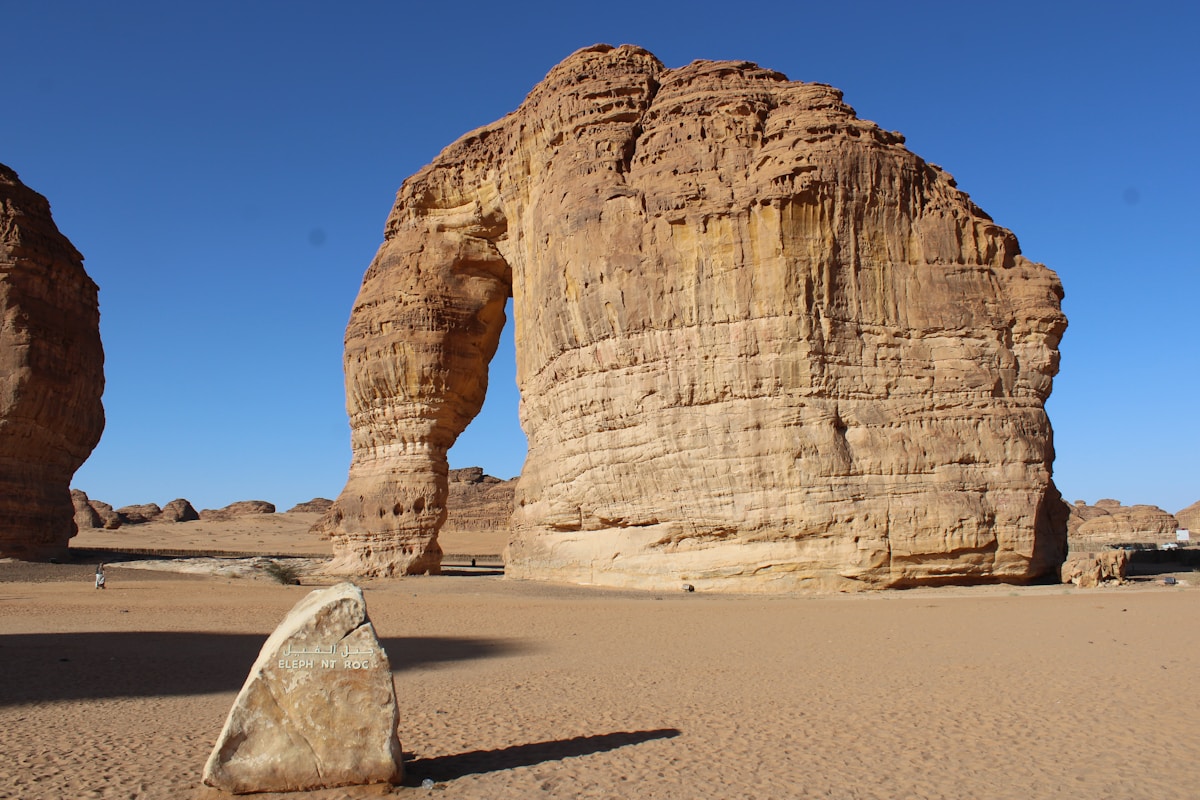
AlUla: The Royal Commission for AlUla (RCU) has delivered the most substantive new tourism infrastructure under Vision 2030 outside Riyadh. Hegra, Dadan, Jabal Ikmah, Maraya, and the seasonal Winter at Tantora festival are all operational. AlUla is the current leading example of what Vision 2030 tourism development looks like when it reaches a functioning state. See our AlUla guide and Winter at Tantora article.
King Abdulaziz Centre for World Culture (Ithra), Dhahran: Open since 2018. Museum, library, theatre, and cultural programming. Entry to exhibitions from approximately SAR 25–50. Well worth a visit if you are in the Eastern Province.
The Boulevard Riyadh City: A large entertainment and dining district in Riyadh’s north, including outdoor venues, cinemas, and restaurants. Free to enter; activity and dining costs vary. Represents the changed social landscape of Riyadh under Vision 2030 reforms more than a heritage site does.
Realistic Visitor Expectations for 2026
Vision 2030 is a long-term programme with a 2030 target date for its headline metrics - and many of its most ambitious projects are not yet complete. What a visitor to Saudi Arabia in 2026 can actually access is:
- Open and recommended: Diriyah Gate (Al Bujairi + At-Turaif), AlUla and Hegra, Ithra Dhahran, the Boulevard Riyadh, Soudah Peaks in Asir (new development near Abha)
- Partially open, limited access: Sindalah (for yacht arrivals), NEOM Bay existing hospitality
- Under construction, not accessible: The Line, Trojena, Oxagon, full Sindalah public access
The tourism transformation that is already in place - visa access, entertainment venues, heritage interpretation at major sites - makes Saudi Arabia a more viable destination now than it was five years ago, regardless of when the megaprojects reach completion. For travellers, the practical advice is: plan your trip around what is open, and follow NEOM and RCU announcements for when the major new projects reach visitor-ready status.
Browse our Saudi Arabia practical guides for visa information, transport, and advice on planning your itinerary.
Before you travel, compare flights to Saudi Arabia, arrange travel insurance that covers the region, and pick up a Saudi eSIM so you have data from the moment you land.
See Also
- AlUla city guide - the most accessible Vision 2030 heritage destination
- Diriyah history guide - background on the UNESCO-listed At-Turaif district
- Tabuk city guide - the closest established city to the NEOM zone
- AlUla vs NEOM comparison - which is worth visiting now
- 1-week Saudi Arabia itinerary - how to build Diriyah and AlUla into one trip
- Best time to visit Saudi Arabia - October to March for outdoor heritage sites
Plan Your Trip
✈️ Book your flights to Saudi Arabia 🛡️ Get travel insurance 📱 Stay connected with an eSIM 🚗 Rent a car