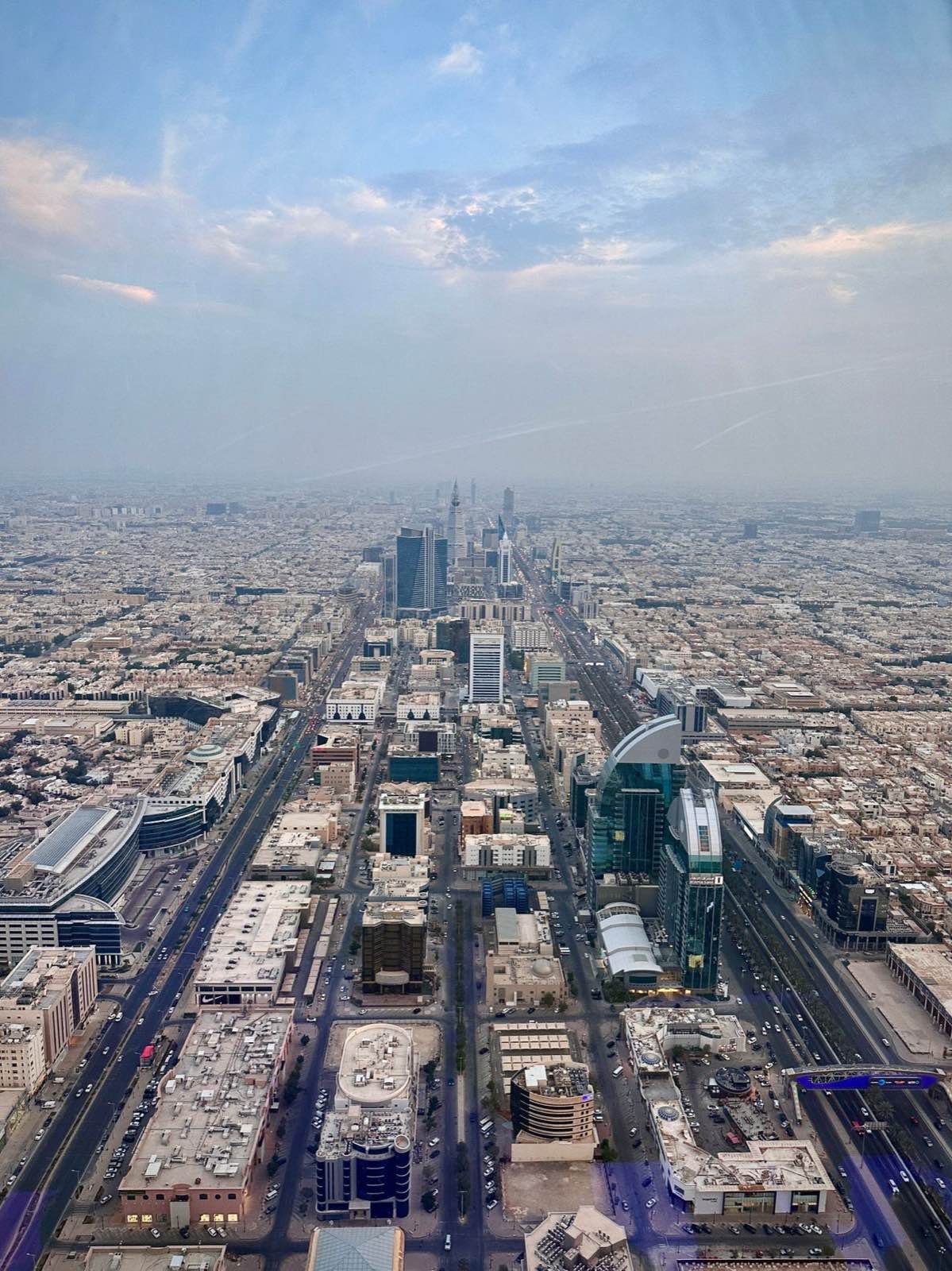
Saudi Arabia has moved from a country with almost no leisure tourism infrastructure to one of the fastest-growing travel destinations in the world, all within a single decade. The statistics that have emerged since the country opened its doors to international tourists in 2019 reflect that shift clearly.
Annual Visitor Numbers
Saudi Arabia recorded 29.7 million inbound international tourists in 2024, up 8% from 2023’s figure of 27.4 million. Including domestic trips, the total across both categories reached 116 million in 2024 (86.2 million domestic trips and 29.7 million inbound arrivals), according to the Saudi Tourism Authority.
Those headline numbers require context. Saudi Arabia distinguishes between inbound international arrivals and domestic tourism. The inbound figure of 29.7 million is the internationally comparable number and the one aligned with UNWTO methodology. Before the country launched its tourist e-visa in September 2019, international visitor numbers were dominated almost entirely by Hajj pilgrims, Umrah visitors, and business travellers. Leisure tourism was effectively absent.
In 2023, inbound international tourists spent SAR 141.2 billion during their visits. That figure rose to SAR 169 billion in 2024, a 19% year-on-year increase in international spending.
Top Source Markets
Egypt held the top spot among inbound source markets in 2024, contributing 3.19 million visits and a 10.7% share of total international arrivals. Pakistan ranked second with 2.79 million tourists, followed by Bahrain, Kuwait, and India. These five markets collectively accounted for roughly 40% of all inbound arrivals.
The source market picture in 2023 was slightly different. Bahrain topped the list with 3.4 million visitors, followed by Egypt at 2.6 million, Pakistan at 2.5 million, Kuwait at 2.3 million, and Indonesia at 1.8 million. The source market mix reflects Saudi Arabia’s geographic position as a hub for Islamic religious travel and its strong population ties to South and Southeast Asia.
Western markets remain a small but growing segment. Saudi Arabia’s tourist e-visa, which became available to nationals of 60+ countries in 2019, expanded access significantly. The Saudi Tourism Authority has since been targeting the UK, Germany, and France through marketing campaigns. European arrivals concentrate primarily on AlUla, Riyadh’s historic districts, and the Red Sea coast.
Peak Season and Travel Patterns
The busiest months for international leisure tourism run from October through March. Saudi Arabia’s desert and coastal regions are most comfortable in these cooler months, with daytime temperatures in Riyadh averaging 22 to 27 degrees Celsius between November and February.
AlUla, the Nabataean heritage zone in the northwest, draws the bulk of its visitors between November and March. The country’s flagship cultural tourism events, including the Hegra heritage season and the Riyadh Season festival, are scheduled through these cooler months and generate concentrated visitor flows. Riyadh Season alone attracted over 12 million visitors in its 2022/23 season.
Ramadan follows a different pattern. Domestic travel surges as Saudi families visit Mecca, Medina, and other religious sites. International arrivals for Umrah also rise sharply during Ramadan. The Saudi government issued over 13.5 million Umrah visas in the 2022/23 pilgrimage year. Hajj, the annual pilgrimage, drew approximately 1.84 million pilgrims from outside Saudi Arabia in 2023, tracked separately from the broader international tourism figures.
Summer months (June to August) are the weakest period for leisure tourism, with extreme heat across much of the country limiting outdoor activity. Coastal destinations such as Jeddah and the Red Sea coast see some domestic demand during school holidays, but international arrivals are lowest from June to September.
Economic Contribution
Tourism’s contribution to Saudi Arabia’s GDP reached 9.9% in 2024, according to the World Travel and Tourism Council (WTTC). In 2023, the sector’s total economic contribution, including indirect and induced impacts, was measured at SR 444.3 billion ($118.4 billion) by the WTTC, representing growth of over 32% year on year. Latest update: Saudi Arabia Tourism Hits SAR 82.7 Billion in Q1 2026.
Total tourist spending in 2024 reached SAR 284 billion across both domestic and international visitors. International visitors accounted for SAR 169 billion of that total.
Saudi Arabia’s government had initially set a target for tourism to contribute 10% of GDP by 2030 as part of Vision 2030. At 9.9% in 2024, the sector is on the threshold of meeting that target, with the government now pushing for higher ambitions given that the original milestones have been exceeded ahead of schedule.
The WTTC reported that Saudi Arabia’s travel and tourism sector directly employed over 700,000 people in 2023. The government is targeting 1 million tourism jobs by 2030 through hotel development and hospitality training programmes.
Accommodation Statistics
Saudi Arabia had 4,425 licensed tourism accommodation facilities at the end of 2024, according to the General Authority for Statistics (GASTAT). This total includes 2,163 hotels and 2,262 serviced apartments. The number of licensed facilities rose 89% year on year in 2024, reflecting new openings and the formalisation of previously unlicensed properties.
The Kingdom’s hotel room supply stood at approximately 171,650 rooms by the end of 2024. The luxury and upscale segments dominate: 60% of rooms fall within the luxury, upper-upscale, or upscale categories. Mecca accounts for 40,200 rooms in these upper tiers, driven by Hajj and Umrah demand, while Riyadh accounts for 18,500 rooms.
Hotel occupancy in December 2024 reached 58.6%, with serviced apartment occupancy at 55.6%. A pipeline of approximately 94,500 additional hotel rooms was under development as of 2024, targeting demand ahead of the 2034 FIFA World Cup, which Saudi Arabia will host.
Growth Trends and Vision 2030
Saudi Arabia’s tourism trajectory since 2019 has been steep. The pandemic interrupted initial growth in 2020 and 2021, but the sector recovered sharply from 2022 onward.
The government originally set a target of 100 million total tourist visits by 2030. Saudi Arabia surpassed that milestone in 2023, six years ahead of schedule. The Saudi Tourism Authority revised its target upward to 150 million annual visits by 2030, split between 70 million international and 80 million domestic trips.
Major tourism investment projects under development include NEOM (the future city development in Tabuk Region), the Red Sea Project (a luxury archipelago development on the Red Sea coast), Diriyah Gate (the birthplace of the Saudi state outside Riyadh), and AlUla (ancient Nabataean and Dadanite heritage sites). These projects together represent hundreds of billions of dollars in committed investment.
Saudi Arabia is also positioning itself as a sports tourism destination. The country hosted Formula 1’s Saudi Arabian Grand Prix (first held in 2021), LIV Golf, and multiple international boxing events in recent years. Hosting the 2034 FIFA World Cup will require significant stadium, transport, and accommodation infrastructure, with construction programmes already under way.
International arrivals growth of 8% in 2024 indicates that the sector is expanding, though the WTTC noted in early 2025 that Saudi Arabia would need to accelerate inbound growth to reach its target of 70 million international tourists by 2030. At the 2024 growth rate, the Kingdom would reach approximately 45 to 50 million international arrivals by 2030, making a further step-change in source market diversification a key strategic priority.
Plan your own trip
The numbers above show where the Kingdom is heading; to see it yourself, start with our best tours in Saudi Arabia, check the best time to visit Saudi Arabia, or follow the one week in Saudi Arabia itinerary.
Visitor growth is driving demand for guided experiences: browse tours across Saudi Arabia, compare Riyadh tours and Jeddah tours, or book a Riyadh desert safari. Hotel supply is tight in peak months, so check stays in Riyadh early and read our Riyadh where-to-stay guide.