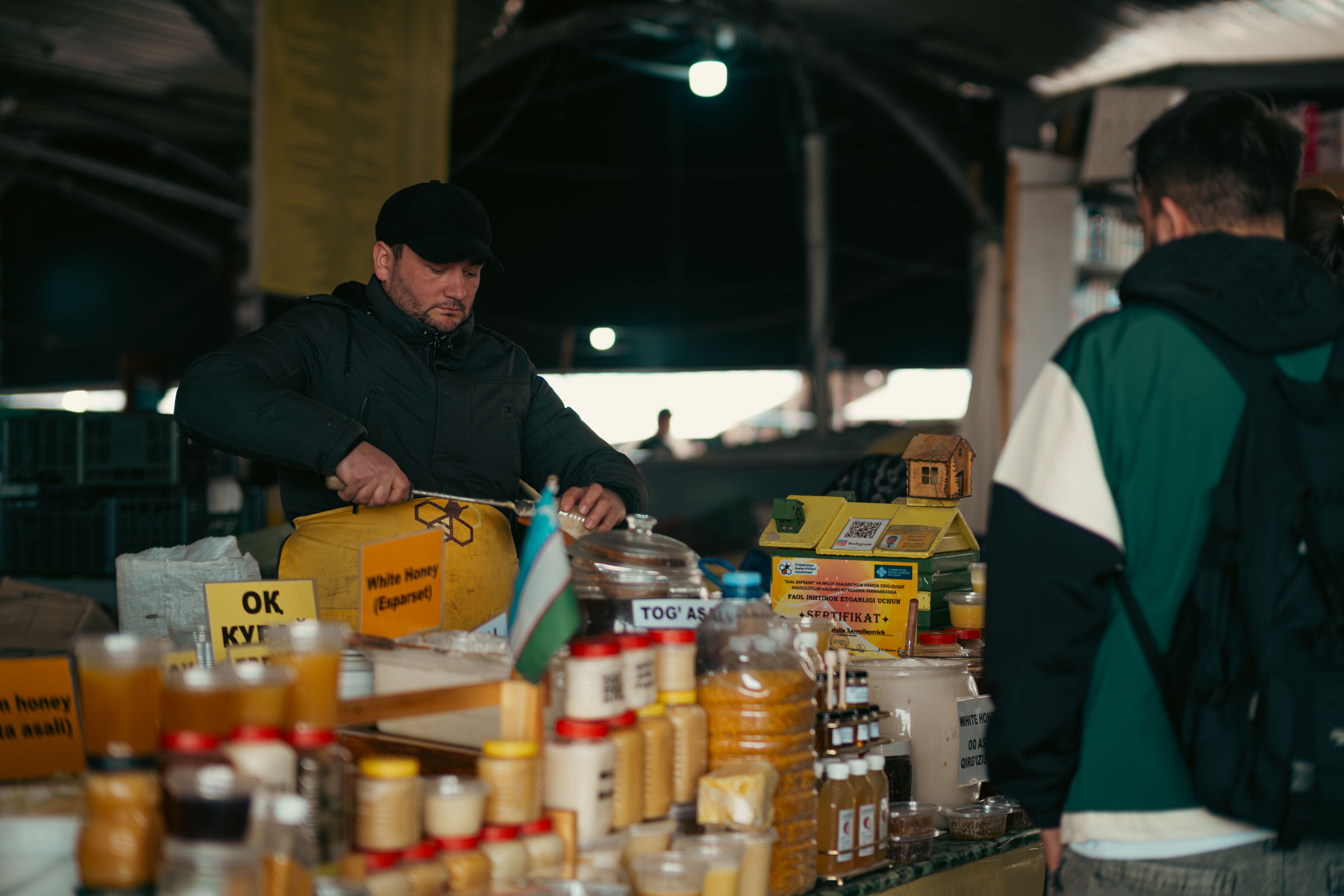
Abha sits at 2,200 metres in the Asir Mountains, and the food here reads differently from anywhere else in Saudi Arabia. The grain is sorghum, not wheat. The dominant flavour influence runs south toward Yemen rather than east toward the Gulf. The honey is wild mountain honey - dark, dense, and sold at prices that reflect how difficult it is to harvest from cliff-face hives. A food tour through Abha’s markets and traditional restaurants is one of the most distinctive culinary experiences in the Kingdom.
What to Expect from Abha’s Food Culture
Asiri cuisine developed in the mountains over centuries with limited access to the coastal trade routes that shaped Jeddah’s food, and without the central Arabian grain and lamb tradition that defines Riyadh’s table. The result is a set of dishes that feel genuinely regional: heavily spiced, slow-cooked, built around sorghum bread and stone-bowl presentation.
The key dishes visitors encounter on food tours:
- Saltah: a thick lamb or mixed-vegetable stew served bubbling in a stone bowl, topped with hulba (fenugreek froth). One of the defining dishes of the entire southwest region. Available at traditional restaurants throughout the old souk area; approximately SAR 25-45 per serving as of 2026
- Fahsa: slow-cooked lamb on the bone, heavily spiced, served in the same stone-bowl format - richer and meatier than saltah. SAR 30-55 per serving
- Asidah: a thick sorghum porridge, dense and filling, eaten with honey or clarified butter. The Asiri version is coarser-textured than versions found elsewhere in Saudi Arabia
- Khubz al-malla: flatbread cooked directly in coals, eaten with honey or alongside stews. The bread is thicker and more substantial than the standard tamis found in coastal cities
- Wild mountain honey: Asir produces several varieties from mountain bee colonies. Sidr honey and wild mountain honey from hive boxes attached to cliff faces command SAR 200-800 per kilogram at reputable sellers
Evening Food Walks in the Abha Souk
Old Market Circuit
The traditional souk in central Abha is the main starting point for evening food walks. Most guided tours run after Asr prayer (approximately 4-5pm in winter, 5-6pm in summer) when stalls open and temperatures are cooler.
Asiri Food Walk operates the most structured evening circuit in Abha (approximately 3 hours, SAR 180-260 per person as of 2026). The route covers seven stops: a saltah and fahsa restaurant that has operated from the same position in the souk for over two decades, a honey merchant who explains the difference between Asiri mountain varieties and the more widely available Sidr honey, an asidah stall, a fenugreek spice merchant, and two further stops at traditional sweet shops selling Asiri versions of luqaimat (fried dough balls) and basbousa.
Mountain Tastes Abha runs a shorter format (2 hours, SAR 130-190 per person) focused on the honey and spice trade specifically. The guide takes groups through the honey sellers, the spice market where Asiri spice blends are different from the Gulf and Hijazi equivalents, and a bread bakery where khubz al-malla is demonstrated. Good as an add-on to a second Abha evening.
Both available through GetYourGuide Abha tours.
Traditional Restaurant Experiences
Al-Miftaha District
The Al-Miftaha cultural district south of central Abha, developed as part of the Asir cultural revival, has concentrated several traditional Asiri restaurants alongside artisan workshops and galleries. The restaurants here are more formal than the souk stalls, with full saltah and fahsa menus:
Masharef Asir Restaurant serves a full traditional spread: saltah, fahsa, grilled lamb ribs with spiced rice, asidah with honey, and Asiri tea spiced with ginger and cardamom. A full meal for two is approximately SAR 120-200 as of 2026. The seating is on floor cushions with traditional Asiri textiles; the setting is more carefully considered than the market stalls and appropriate for a longer meal.
Bayt Al-Asir in the same district specialises in the bread and porridge tradition: multiple asidah preparations served alongside honey tasting - three or four varieties laid out for comparison, with the guide explaining provenance. Approximately SAR 80-120 per person for the tasting format.
Asiri Honey Tasting Experiences
Abha’s honey is sold everywhere, but most tourist-facing shops carry commercially produced honey rather than the genuine mountain-harvest product. A guided honey tasting cuts through this.
Asiri Honey House near the Al-Soudah road runs structured tastings (approximately SAR 100-150 per person) comparing: wild mountain honey (the most expensive, dark and sharp), Sidr honey (from Sidr tree blossom, lighter and sweeter), and commercially produced honey. The host explains the cliff-hive harvesting practice specific to the Asir, and participants taste each variety with asidah and bread. Honey available to purchase directly at verified-origin prices.
Several operators combine the honey tasting with the evening souk food walk as a full half-day experience (SAR 280-400 total). Bookable via GetYourGuide.
Cooking Classes in Abha
Asiri Kitchen Workshop
Dar Al-Asir Culinary Studio in the Al-Miftaha district runs cooking sessions focused on the core Asiri dishes. The class (3 hours, SAR 300-450 per person as of 2026) covers: preparing the fenugreek hulba base for saltah from scratch, slow-cooking the lamb component, grinding the Asiri spice blend, and making khubz al-malla in the clay oven. Groups of 4-8 participants; English instruction available.
This is a genuinely hands-on format - participants do the preparation rather than watching. The class ends with the group eating the dishes they made, plus an Asiri honey plate.
Mountain Flavours Workshop is a shorter bread-focused session (1.5 hours, SAR 150-220 per person). The focus is on sorghum bread preparation: making the dough, shaping the loaves, cooking in the traditional clay oven, and pairing with four honey varieties. Suitable as a morning activity before a mountain excursion.
Practical Notes for Abha Food Tours
Best season: Year-round, but Abha’s summer (June-August) is peak domestic tourism season when temperatures stay around 18-25°C while the rest of Saudi Arabia swelters. This is when the food scene is at its most active - more stalls open, more operators running tours.
Evening timing: The souk comes to life after Asr prayer. Most food walks depart between 4:30 and 6pm. Late-night dining runs to 11pm or later in summer.
Note on portions: Saltah and fahsa servings are large. On guided tours, portions are usually split between participants to allow more stops. Confirm the format with your operator before booking.
Getting around: The souk and Al-Miftaha district are close to central Abha hotels. A taxi or Uber between them costs SAR 15-25.
Tours Available via GetYourGuide Abha
Browse current Abha food and cultural experiences with real-time pricing and free cancellation. Sort your Saudi eSIM before you travel.
See Also
- Abha Food Guide - where to eat across the city
- Abha: Food to Try - the essential Asiri dishes
- Abha and the Asir Region Guide - what to do beyond the food scene
- Things to Do in Abha - full Abha activities
- Jeddah Food Tours - culinary experiences on the Red Sea coast