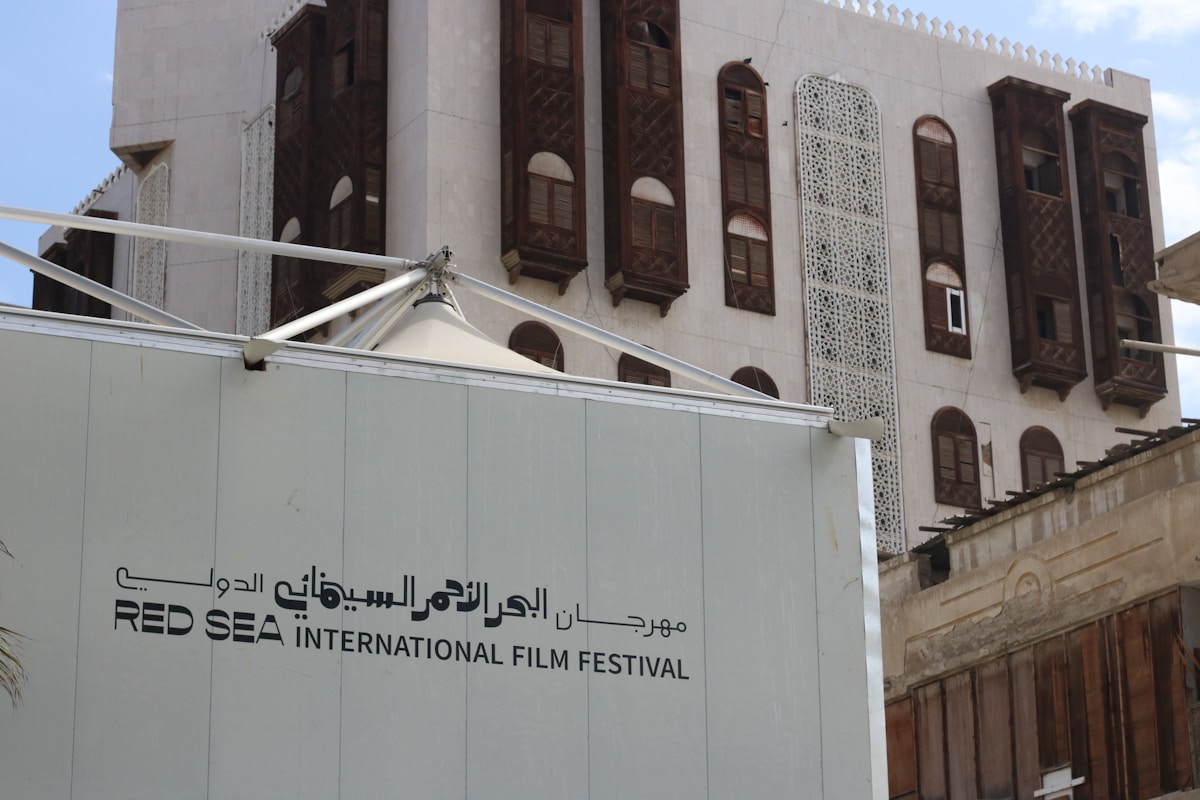
Jeddah’s food scene is arguably more varied than Riyadh’s - a function of the city’s centuries as a port and pilgrimage gateway. Hijazi cuisine here blends Gulf, East African, and South Asian influences in a way that feels completely distinct from the central Arabian Najdi tradition. A guided food tour through Al-Balad’s coral-stone lanes and the city’s waterfront fish markets is one of the most rewarding ways to spend an evening in western Saudi Arabia.
Why Jeddah Is Different
Riyadh’s food culture is built around lamb, wheat, and the communal platter - slow-cooked, heavy, Najdi. Jeddah’s is lighter, more diverse, and more outward-looking. The corniche fish markets have been supplying the city since before Saudi Arabia existed. Spice merchants along the old souk still sell blends that trace back to the Hajj trade routes. The neighbourhood restaurants in Al-Balad serve dishes that you cannot find anywhere inland.
This diversity makes Jeddah one of the best cities in Saudi Arabia for structured food exploration.
Al-Balad Street Food Walking Tours
Old Town Evening Walks
Al-Balad - the UNESCO-listed historic district - is the starting point for almost every food walking tour in Jeddah. The format typically covers:
- Mutabbaq stalls: the stuffed pastry that defines Jeddah’s street food - thick egg-and-minced-meat filling in thin crispy dough, sold from small shops that have operated in the same location for decades; approximately SAR 10–18 per portion
- Harees (wheat and meat porridge): a Ramadan staple available year-round in traditional restaurants near the Friday mosque
- Samboosa: deep-fried pastry triangles with meat or cheese filling, SAR 5–10 per piece at market stalls
- Jeddah shawarma: the Hijazi version - heavier on spice and often served with tahini alongside the standard garlic sauce
- Foul and tamis: a filling breakfast plate of slow-cooked fava beans with olive oil and flatbread (tamis), found at the working cafeterias near the souk that open from 6am
Jeddah Food Walks operates the most established Al-Balad evening circuit (approximately 3.5 hours, SAR 220–300 per person as of 2026). Groups capped at 10. English and Arabic. Tours include seven to nine tastings at different stalls and restaurants.
Heritage Bites Jeddah runs a longer format (4 hours) combining the Al-Balad food circuit with a brief orientation talk on Hijazi food history (SAR 260–350 per person; minimum group size 4).
Both bookable through GetYourGuide Jeddah tours.
Seafood Experiences
Jeddah’s position on the Red Sea means seafood is central to the city’s food identity in a way that other Saudi cities cannot match. Several operators have built tours specifically around this.
Fish Market and Waterfront Dinner
Red Sea Table offers a guided visit to the Al-Balad fish market (morning or afternoon), where a guide explains the catch - hamour (grouper), najil (coral grouper), sultan ibrahim (goatfish), shrimp, crab - and helps participants select fish for a subsequent prepared meal. The fish is cooked to order at a connected waterfront restaurant. Duration: approximately 2.5–3 hours including market visit and meal. Price: approximately SAR 350–450 per person including food as of 2026 (final price varies with fish selection).
Corniche Seafood Experience is a simpler format - a guided walk along the Corniche with stops at two or three seafood restaurants for a comparison of Jeddah fish preparation styles: grilled, fried, and the spiced Yemeni-influenced fish stew. Approximately SAR 280–380 per person; no cooking component. Duration: 2.5 hours.
Both available through GetYourGuide.
Hijazi Cooking Classes
Traditional Hijazi Kitchen
Jeddah Culinary Experience in the Al-Rawdah district runs cooking classes focused on Hijazi dishes. Classes typically include: preparing saleeg (the white rice dish cooked in milk and stock that defines Jeddah’s rice tradition), one seafood dish (the week’s best catch), and a traditional sweet. Class size: 6–10 participants; duration 3 hours. Price: approximately SAR 350–500 per person as of 2026 including ingredients and full meal.
The class format is genuinely hands-on - participants do the work rather than watching a demonstration. Good English instruction.
Al-Balad Bread and Spice Class
A shorter experience focused on the spice traditions and bread culture of the Hijaz - grinding and blending the spice mix used in saleeg and harees, baking tamis flatbread in a clay oven, and a short tasting of Jeddah’s most important spice blends. Run by Bayt Al Sharq Culinary Studio in Al-Balad. Duration: 2 hours; approximately SAR 200–280 per person. Suitable as an add-on to a walking tour or as a standalone morning activity.
Private Culinary Itineraries
For groups or individual travellers who want a full-day or custom culinary experience, several Jeddah operators will put together a bespoke itinerary:
Taste of Jeddah Private Tour covers the morning fish market, a spice souk visit, a traditional Hijazi lunch at a restaurant in Al-Balad that does not appear in standard tourist guides, an afternoon session at the date and nut merchants near Bab Makkah, and an evening street food circuit. Full-day; approximately SAR 900–1,400 per person for a private booking as of 2026. Bookable via GetYourGuide or by contacting the operator directly.
Practical Notes
Best time for tours: Evening tours after Asr prayer (around 4–5pm depending on season) through to late night. Al-Balad is most atmospheric after dark when the illuminated coral-stone facades are at their most striking.
Summer note: Jeddah’s summer heat (May–September) is significant - daily highs of 38–43°C and high humidity from the Red Sea. Evening tours are far more comfortable than morning ones in these months. The fish market is best visited in the morning before heat becomes an issue.
Dietary: All food on standard tours is halal. Vegetarian options are available - the bread, spice, and street food formats work well for non-meat eaters. Seafood allergy requires careful operator briefing.
Getting there: Most Al-Balad tours meet at the Al-Shafa gate or near the Red Fort. From central Jeddah hotels, a taxi or Uber costs approximately SAR 20–35.
Jeddah Tours Available on GetYourGuide
The tours below are bookable online with free cancellation up to 24 hours in advance. Prices are approximate as of 2026 and vary by date.
| Tour | Duration | From | Rating |
|---|---|---|---|
| Jeddah: Al-Balad Historical Highlights City Tour | 3 hrs | ~$30/person | ★ 4.8 |
| Jeddah: Al-Balad with a Local Certified Guide | 3–4 hrs | ~$35/person | ★ 4.9 |
| Jeddah: Al-Balad Guided Walking Tour with Tea & Music | 3 hrs | ~$40/person | ★ 4.8 |
| Jeddah: Al-Balad Old Town Historical City Guided Tour | 4 hrs | ~$45/person | ★ 4.7 |
| Jeddah: Full-Day Historical City Tour | 8 hrs | ~$50/person | ★ 4.6 |
| Jeddah: Bayada Leisure Boat Trip with Snorkeling | 3–4 hrs | ~$50/person | ★ 4.7 |
Browse all Jeddah tours and experiences on GetYourGuide for real-time availability. Sort your travel insurance and grab a Saudi eSIM before you travel — navigation through Al-Balad’s narrow lanes is significantly easier with mobile data.
See Also
- Food to Try in Jeddah - the essential Hijazi dishes
- Jeddah Food Guide - where to eat across the city
- Things to Do in Jeddah - full Jeddah attractions
- 3 Days in Jeddah Itinerary - how to structure your visit
- Riyadh Food Tours - culinary experiences in the capital