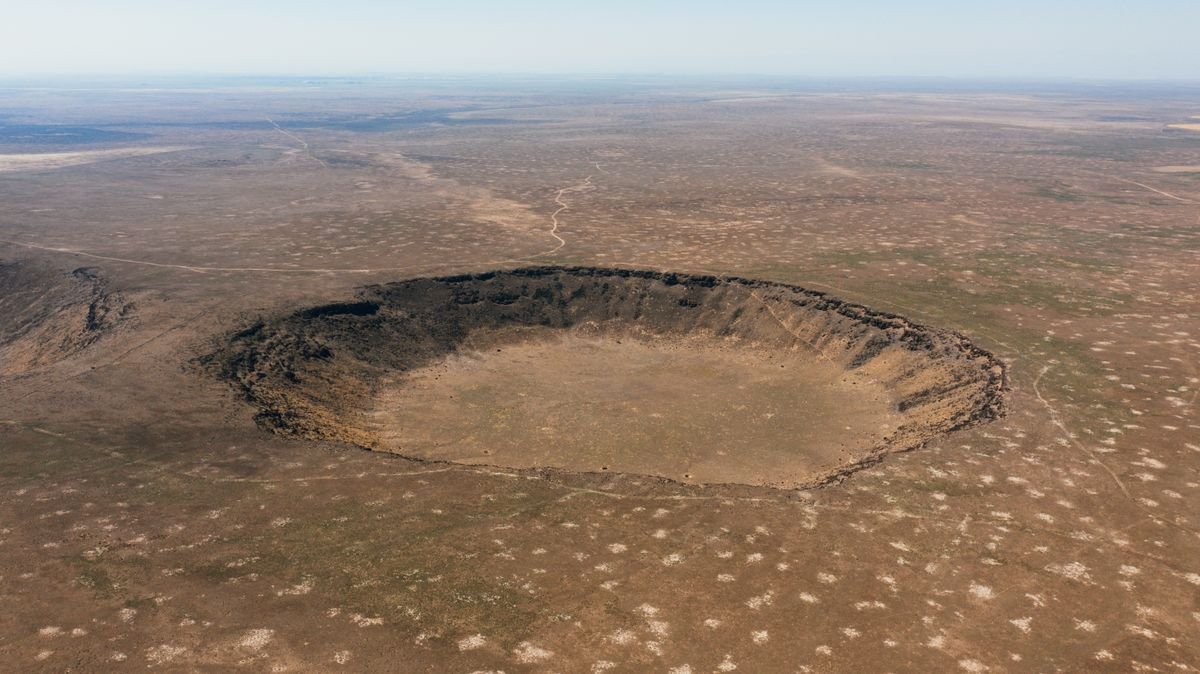
Al Wahbah is a volcanic crater roughly 2 km wide in the lava fields of western Saudi Arabia. It is one of the most unusual landscapes in the country, with a pale crust of salt and crystals on the crater floor set against dark basalt walls. It is remote and has no facilities, so a visit takes planning. This page covers the route from Taif, the descent, and when to go. For official visitor background, see the Visit Saudi page on the crater{target=“_blank”}.
Where It Is and How Far
The crater lies in the Harrat Kishb area, roughly 250 km northeast of Taif. Allow around three hours each way from Taif by road. From Jeddah it is a much longer drive, which our day trips from Jeddah page covers. Most visitors stay overnight in Taif and make the crater a full day. Our Taif city guide and Taif where to stay help you plan a base.
Getting There
By car: the main roads are paved, and the final approach is a track. A high-clearance vehicle helps, and a 4WD gives margin in loose gravel. Fill your tank in Taif, because fuel and food are scarce near the crater. Mobile signal is weak, so download offline maps. Our car rental guide explains what to book.
By tour: guided trips run from Taif and take most of a day, with a hike down and a driver for the long road. Browse Taif tours for current options, and expect prices to vary a lot by group size.
The Descent
The rim offers a view over the whole crater. The rough trail on the northern side is the only practical way down, because the other walls are near-vertical. The floor is wide and flat, and the descent and climb back take several hours in total. Start early in the morning and avoid heading down late in the day. Carry food, water (at least 3 litres per person), sun protection and sturdy shoes. There is no shade on the floor. If you are not confident, enjoy the rim viewpoint instead.
Fees and Hours
We found no entry fee. One listing shows the site as open around the clock, but that is a third-party listing and not an official schedule, so treat the access as open terrain with no staff. Sources differ on depth, from about 250 m to higher figures, so use approximations. For general reference, see Al Wahbah crater on Wikipedia{target=“_blank”}.
Best Time to Go
October to April is the sensible window. Summer temperatures make the descent dangerous. Winter mornings are cool, which is when the hike is comfortable. Our December guide and January guide describe conditions at the crater in those months.
Safety
- Tell someone your plan and return time.
- Travel with at least two vehicles if you drive yourself.
- Carry a spare tyre and extra water in the car.
- Do not descend alone, and turn back if you run short of water.
Combine It With
A Taif trip makes this a natural pairing. Read our things to do in Taif for the mountain town, gardens and markets, and food in Taif for where to eat on the way back.