Eid al-Adha, the Feast of Sacrifice, is the most religiously significant holiday in Saudi Arabia and the most disruptive one for travellers. It falls on 10 Dhul Hijjah, at the end of the Hajj, and the whole Kingdom slows down for several days of prayer, family meals and charity. For visitors, the practical questions are what closes, where the crowds are and which places remain open to you.
Important access note: Mecca is closed to non-Muslims at all times, and during Eid al-Adha the checkpoints on the approach roads, about 8 to 12 km from the city, are strictly enforced because of the Hajj. Non-Muslims may enter Medina but not the haram zone around Masjid al-Nabawi. If you are not Muslim, plan around Jeddah, Taif or Riyadh instead.
When Is Eid al-Adha?
Eid al-Adha is the tenth day of Dhul Hijjah, the last month of the Islamic calendar. Arafat Day, the peak of the Hajj, is on the ninth. The Saudi Central Bank’s holiday schedule places Eid al-Adha around 27 May in 2026 and around 16 May in 2027, with a bank and government break of about five days. The private sector may differ by a day. The moon sighting confirms the start only a day or two ahead, so treat our dates as a guide. See our public holidays guide for the full calendar, and the Hajj 2027 event page for pilgrim dates.
What the Holiday Means
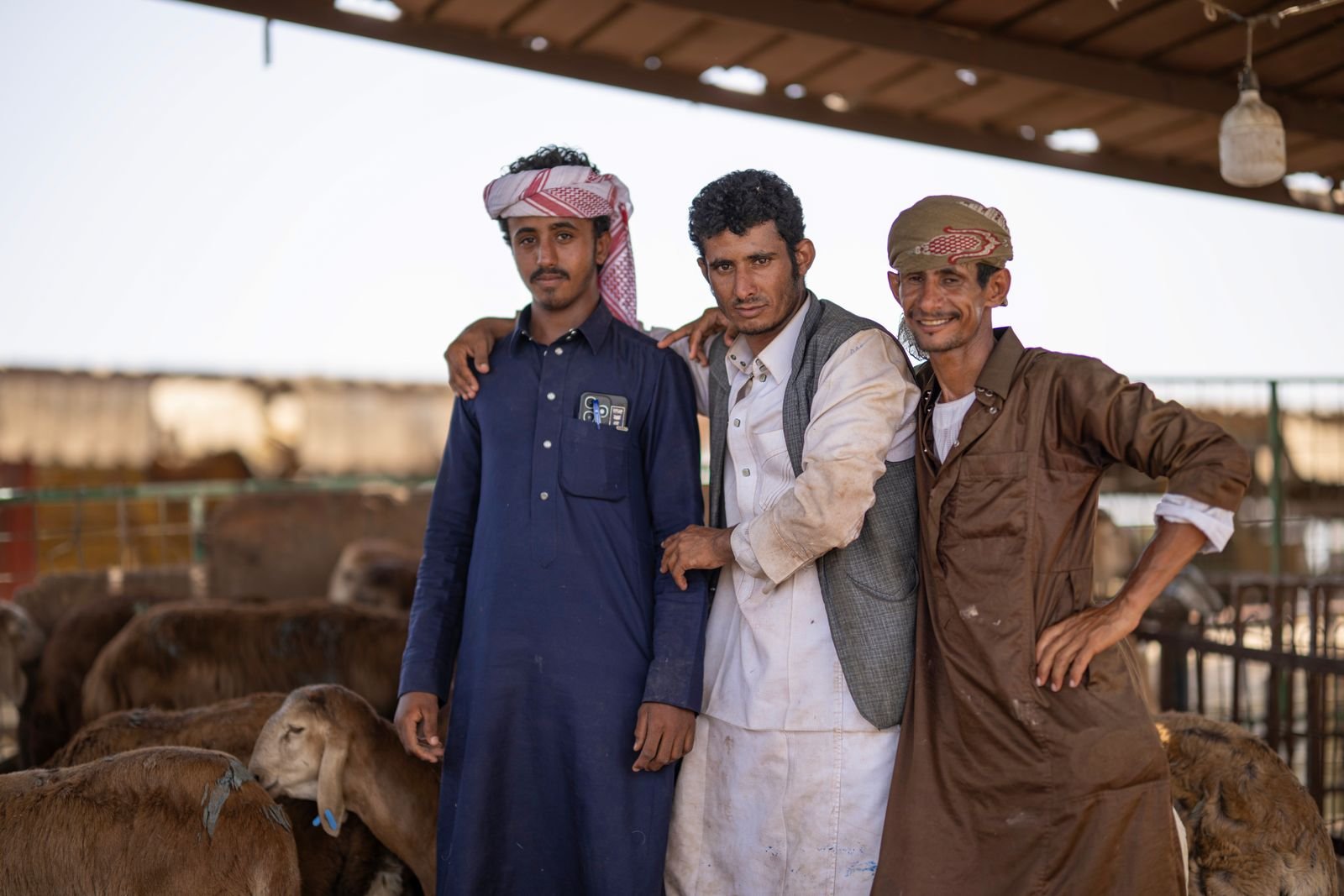
The festival commemorates the willingness of Ibrahim (Abraham) to sacrifice his son, and the ram provided in his place. Muslims who can afford it sacrifice a sheep, goat, cow or camel and divide the meat in three: one part for the household, one for relatives and neighbours, one for those in need. Pilgrims at Hajj perform the sacrifice on the same day, often through the official Saudi Adahi project. Our Hajj guide explains the full rites and the permit system.
What Closes and What Stays Open
- Closed: government ministries, banks, schools and universities, for roughly four to six days. Many small family shops close for the first one or two days.
- Open: shopping malls, restaurants, cafes, hotels, pharmacies and petrol stations, often with festive hours.
- Attractions: most major sites stay open with adjusted hours. Places such as Diriyah and Hegra sell out earlier, so pre-book. Browse Riyadh tours or AlUla tours well ahead.
- Transport: flights, the Haramain high-speed railway and intercity buses run but fill quickly. Domestic fares rise sharply in the days before the holiday. See our Haramain railway guide.
Where the Crowds Are
Eid al-Adha concentrates pilgrim movement in Mecca, Mina, Muzdalifah and Arafat, and then in Medina after the Hajj. Jeddah’s King Abdulaziz International Airport and the Haramain stations are the busiest transport points in the country. Expect long queues, full hotels and high prices in Jeddah, Mecca and Medina. Riyadh sees heavy family travel as well. Hajj access itself is permit-only, and unauthorised travel towards the holy sites is penalised. Read our Mecca vs Medina guide for what each city allows.
Traditional Foods
Eid meals centre on meat from the sacrifice. Expect:
- Kabsa and mandi - spiced rice with lamb or goat, served on shared trays
- Haneeth - slow-cooked lamb, common in Hejaz and the south
- Mutabbaq and sweets - stuffed pastries, dates and cardamom coffee for guests
Restaurants run Eid sets and hotels host brunches. Saudi hospitality peaks at this time, and an invitation to a family meal is worth accepting.
What Visitors Can Do
Non-Muslim visitors have good options away from the holy cities:
- Riyadh: malls, Boulevard City events and the heritage district at Diriyah, which is a short drive from the centre. Book entry in advance at the official Experience Diriyah site.
- AlUla: comparatively quiet, with Hegra and Dadan. Our AlUla guide covers booking.
- Jeddah: Al-Balad old town and the Corniche, though hotels are busy. Our Jeddah guide has the details.
- Abha and the Asir highlands: cooler air, with significant domestic tourism.
The late-May or mid-May timing means high heat in most lowland cities. Our best time to visit guide compares seasons.
Practical Tips
Book early. Flights, trains and hotels for the Eid week fill several weeks ahead. Search hotels in Saudi Arabia as soon as dates are fixed.
Carry cash. Banks close, and queues at ATMs grow.
Dress modestly. The standard rules apply, with extra attention to modesty near mosques. See our dress code guide.
Respect the sacrifice. Animals are slaughtered in licensed areas. Photograph only with permission.
Greet properly. “Eid Mubarak” is understood and appreciated everywhere.
Compared With Eid al-Fitr
Eid al-Fitr, which ends Ramadan, is more about sweets, shopping and family outings. Eid al-Adha is more solemn, tied to the Hajj and the sacrifice. Our Eid al-Fitr guide covers the other holiday.
| Topic | Key point |
|---|---|
| Date | 10 Dhul Hijjah, about 27 May 2026 and 16 May 2027 |
| Mecca | Closed to non-Muslims, checkpoints about 8-12 km out |
| Medina | City open, haram zone around the Prophet’s Mosque closed |
| Government and banks | Closed roughly 4-6 days |
| Malls and restaurants | Open |
| Quieter options | AlUla, Taif and the Asir highlands |
Plan Your Trip
✈️ Book your flights to Saudi Arabia 🛡️ Get travel insurance 📱 Stay connected with an eSIM 🚗 Rent a car