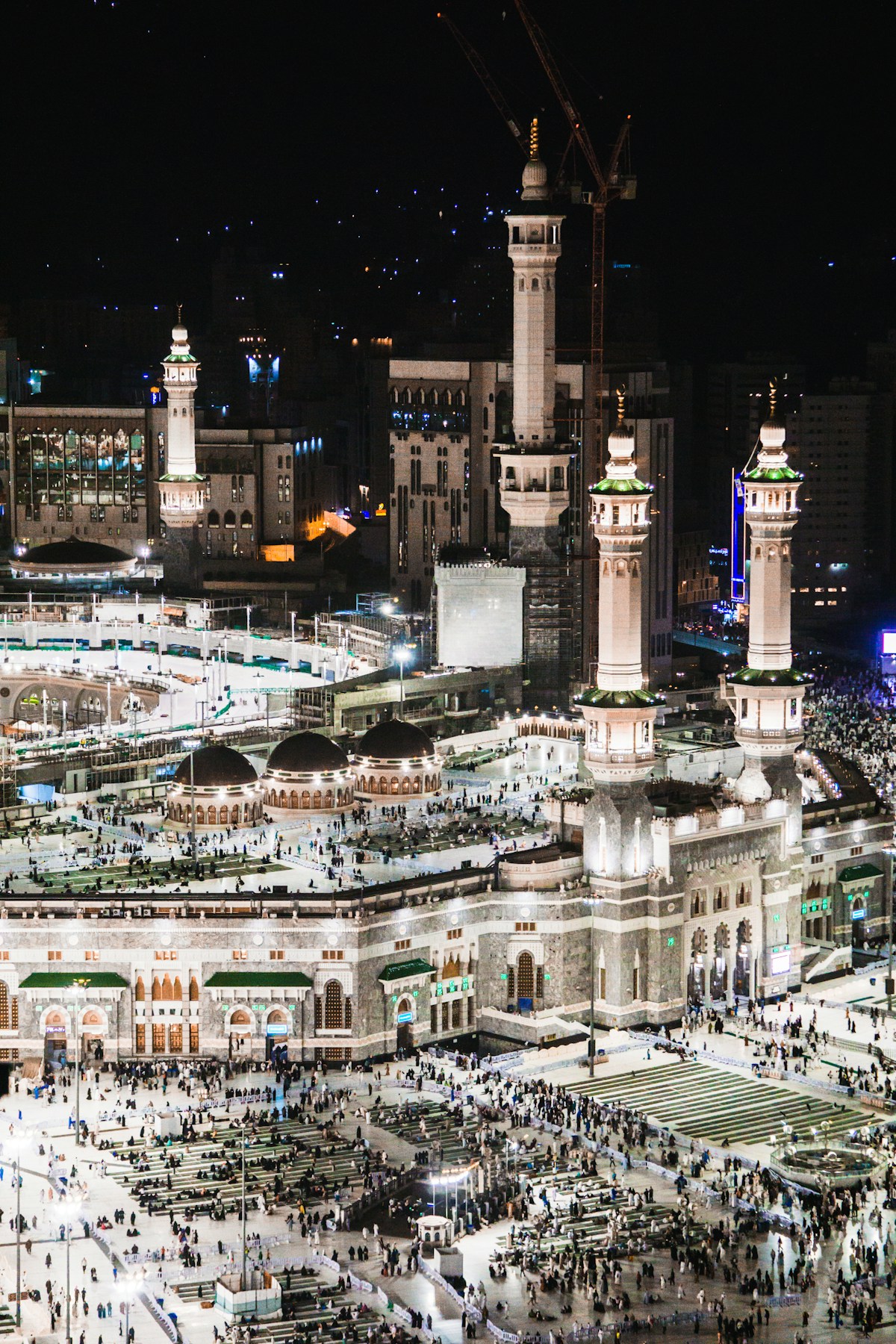
Mecca and Medina are the two cities that define Muslim pilgrimage - each drawing tens of millions of visitors annually, each carrying a spiritual weight that no other cities on earth quite match. For Muslim visitors planning their first Umrah or Hajj, or for those planning a return visit, understanding how the two cities compare in terms of spiritual significance, logistics, accommodation, and atmosphere helps you plan a more meaningful trip.
Note: Mecca is restricted to Muslim visitors only. Medina’s central mosque precinct is also restricted to Muslims. This guide is written for Muslim pilgrims and visitors.
Quick Comparison
| Category | Mecca | Medina |
|---|---|---|
| Arabic name | مكة المكرمة (Makkah al-Mukarramah) | المدينة المنورة (Al-Madinah al-Munawwarah) |
| Primary site | Masjid al-Haram, Kaaba | Masjid al-Nabawi (Prophet’s Mosque) |
| Ritual requirement | Tawaf, Sa’i, Umrah/Hajj rites | Visiting and praying at the mosque |
| Non-Muslim entry | Not permitted | City permitted; mosque precinct restricted |
| Distance from Jeddah | ~80 km east | ~430 km north |
| Population | ~2.4 million (swells to 3.5M+ during Hajj) | ~1.5 million |
| Hotel proximity | Many within 500m of Haram | Dense hotel zone around Nabawi |
| Key secondary sites | Mount Arafat, Mina, Cave of Hira | Uhud Mountain, Quba Mosque, Masjid al-Qiblatayn |
Mecca: The Spiritual Centre of Islam
Mecca is where the Quran’s first revelation came to the Prophet Muhammad ﷺ, where the Kaaba stands, and where every Muslim who is physically and financially able is required to perform Hajj at least once in their lifetime. It is the qibla - the direction of prayer - for 1.8 billion Muslims worldwide.
Masjid al-Haram
The Grand Mosque is the largest in the world by area, capable of accommodating more than 2 million worshippers simultaneously during peak periods. The Kaaba sits at its centre - the black stone cube draped in gold-embroidered black cloth (kiswah) that is the most sacred physical site in Islam. Tawaf (circumambulating the Kaaba seven times counterclockwise) is the central ritual of Umrah and one of the pillars of Hajj.
Entry to Masjid al-Haram is free for Muslims. The mosque has been massively expanded and continues to be expanded; the current structure is so large that the original 16th-century Ottoman columns are now interior features within a vast contemporary space. For more on the mosque, see our Masjid al-Haram guide.
Key Sites in and Around Mecca
Jabal al-Nour (Mountain of Light): The cave of Hira on this mountain is where the first Quranic revelation descended. The climb is approximately 1.5 km and 550 steps - allow 45 minutes to ascend and wear comfortable shoes. No entry fee.
Mount Arafat (Jabal ar-Rahmah): The plain of Arafat, approximately 20 km east of Mecca, is where pilgrims stand on the 9th of Dhul Hijjah - the central act of Hajj (Wuquf). Outside Hajj season, the site is accessible by bus from Mecca, free entry.
Mina: The tent city where Hajj pilgrims spend several nights. Free to visit outside Hajj season.
Jabal Thawr: The cave where the Prophet ﷺ and Abu Bakr رضي الله عنه sheltered during the Hijra to Medina. A steep 40-minute climb from the base of the mountain.
Old Mecca: Much of historical Mecca was demolished during 20th-century expansions. The Zamzam Well, within Masjid al-Haram, remains accessible. Zamzam water - drawn from this well - is distributed free to pilgrims.
Accommodation in Mecca
Mecca’s hotel market is among the most expensive in the world per square metre given the demand and proximity premium to the Haram.
Luxury: Raffles Makkah Palace is the closest luxury option to the Haram, with direct views of the mosque from higher floors. Rates from approximately SAR 2,500/night (USD 665) as of 2026, substantially higher during Ramadan and Hajj. Fairmont Makkah Clock Tower (inside the Abraj Al-Bait complex) starts from approximately SAR 2,000/night (USD 535) as of 2026 with some of the best Haram-view rooms available.
Mid-range: Hilton Suites Mecca from approximately SAR 1,200/night (USD 320) as of 2026 with walking distance access to the Haram. Marriott Mecca runs approximately SAR 900–1,400/night (USD 240–375) as of 2026.
Budget: Hotels in the Ajyad and Shisha neighbourhoods (approximately 500m–1km from the Haram) can be found from approximately SAR 400–700/night (USD 105–185) as of 2026, though standards vary. For a full breakdown, see our Mecca accommodation guide.
Eating in Mecca
Mecca’s food scene serves a global Muslim community - South Asian, Southeast Asian, Arab, African, and Turkish cuisines are all represented. Al-Baik (the Saudi fried chicken chain) has major Mecca branches; a meal runs approximately SAR 20–35. Yemeni restaurants cluster in the old market areas and serve full meals with lamb, rice, and saltah stew for approximately SAR 50–80 per person. The large hotels run all-day dining buffets - expect approximately SAR 150–250 per person for full hotel dining as of 2026.
Medina: The City of the Prophet
Medina is where the Prophet Muhammad ﷺ migrated after the early persecutions in Mecca, where the first Muslim community was established, where the first mosque (Masjid Quba) was built, and where the Prophet ﷺ lived, ruled, and is buried. Visiting Masjid al-Nabawi and making salutations at the Prophet’s tomb (Rawdah) is among the most significant acts a Muslim can perform outside of Hajj itself, though unlike Hajj, a visit to Medina is not a pillar of the religion - it is a deeply recommended act of devotion.
Masjid al-Nabawi
The Prophet’s Mosque is the second largest in the world (after Masjid al-Haram in Mecca). The Rawdah - the area between the Prophet’s tomb and his minbar - is described in hadith as “one of the gardens of Paradise.” Access to the Rawdah is managed by timed slots and can require waiting; women and men enter through separate sections. Entry is free. For more detail, see our Masjid al-Nabawi guide.
The mosque’s distinctive green dome marks the Prophet’s burial chamber. Prayers in Masjid al-Nabawi are said to be worth 1,000 prayers elsewhere (excluding Masjid al-Haram, which multiplies by 100,000).
Key Sites in and Around Medina
Masjid Quba: The first mosque in Islam, approximately 5 km south of the city centre. Praying two rak’ahs here is equivalent (in reward) to performing Umrah. Entry free, open all hours.
Uhud Mountain: The site of the Battle of Uhud (625 CE), where the Prophet ﷺ was wounded and 70 companions were martyred, including Hamza رضي الله عنه. The martyrs’ graves are at the mountain base. Entry free; approximately 5 km north of the city centre.
Masjid al-Qiblatayn (Mosque of the Two Qiblas): Where the revelation came changing the direction of prayer from Jerusalem to Mecca. Entry free.
Al-Baqi Cemetery: The main cemetery of Medina where many of the Prophet’s companions and family members are buried. Open to Muslim visitors at specific hours; entry free.
The Dates Market (Tamr Souq): Medina produces some of the finest Ajwa dates in the world. The central market near Masjid al-Nabawi sells dozens of varieties. Ajwa dates - specifically recommended in hadith - run approximately SAR 100–400 per kilogram depending on grade as of 2026.
Accommodation in Medina
The hotel market around Masjid al-Nabawi is dense and the walking-distance premium is significant but less extreme than Mecca.
Luxury: Anwar Madinah Movenpick overlooks Masjid al-Nabawi from approximately SAR 1,400/night (USD 375) as of 2026. Dar Al-Taqwa Hotel is an established address within 200m of the mosque from approximately SAR 1,100/night (USD 295) as of 2026.
Mid-range: Pullman Zamzam Madina from approximately SAR 800–1,100/night (USD 215–295) as of 2026 with mosque views. Mövenpick Hotel Madinah from approximately SAR 700–950/night (USD 185–255) as of 2026.
Budget: Numerous mid-tier hotels in the Markaziya district (500m–1km from the mosque) offer rooms from approximately SAR 350–600/night (USD 95–160) as of 2026. Standards vary; read recent reviews before booking.
Visiting Order and Logistics
There is no mandated order for visiting Mecca and Medina on Umrah. Most travel packages route through Jeddah first (given the international airport), then either:
- Mecca first: Perform Umrah, then travel by train or bus to Medina for further ziyarah (visits to sacred sites).
- Medina first: Begin in Medina for 2–3 days of spiritual preparation, then travel south to Mecca to perform Umrah.
The Haramain High-Speed Railway connects Jeddah Thaqbah station, King Abdulaziz Airport, Mecca, and Medina in a single line. The full Mecca-to-Medina journey takes approximately 2 hours. Tickets cost approximately SAR 100–300 one-way depending on class as of 2026. The train is a significant logistical improvement over the old road-only connections.
During peak periods (Ramadan, Hajj, school holidays), train tickets sell out well in advance. Book through the Haramain website or app as soon as your trip dates are confirmed. Omio lets you compare train and bus connections across the west coast corridor in one search — useful if you’re combining the Haramain with onward ground transport.
Spiritual Differences
Both cities are sacred in fundamental ways, but the character of worship differs.
In Mecca, the rites are active - tawaf, sa’i, the standing at Arafat, the symbolic stoning of Shaytan at Mina. The experience is physically demanding and highly structured. The Kaaba draws the eye and the spirit constantly.
In Medina, the atmosphere is quieter and more contemplative. There are no mandatory rites; the visit is centred on prayer, salutations (Salawat) on the Prophet ﷺ, reflection at the Rawdah, and visits to the surrounding historical sites. Many pilgrims describe the Medina experience as more emotionally affecting precisely because it lacks the structured pressure of the Meccan rites.
For a full Umrah preparation guide, see our Umrah guide. For Hajj planning, see the Hajj guide.
Before you travel, compare flights to Saudi Arabia, arrange travel insurance that covers the region, and pick up a Saudi eSIM so you have data from the moment you land.
See Also
- Mecca City Guide - practical information for visitors to the holy city
- Medina City Guide - Al-Masjid an-Nabawi, Mount Uhud, and logistics
- Things to do in Mecca - pilgrimage sites beyond the Grand Mosque
- Things to do in Medina - Quba Mosque, Mount Uhud, and the dates market
- Mecca hotels guide - accommodation options near Masjid al-Haram
- Medina hotels guide - accommodation by proximity to the Prophet’s Mosque
- Al-Masjid al-Haram guide - inside the Grand Mosque
- Al-Masjid an-Nabawi guide - the Prophet’s Mosque in detail
- Mecca accommodation guide - hotels near the Grand Mosque
- Umrah guide - planning a combined Mecca and Medina visit
- Getting around Saudi Arabia - Haramain Railway between the two cities
- Saudi Arabia visa guide - Umrah and tourist visa options
More Saudi Comparisons
- Riyadh vs Jeddah — the two main Saudi cities flanking the holy cities; Jeddah is the airport gateway for most pilgrims
- Abha vs Taif — Taif is 90 km from Mecca and a popular add-on for pilgrims visiting in rose season
- Saudi Arabia vs UAE — planning a broader Gulf trip around your Umrah visit
Plan Your Trip
✈️ Book your flights to Saudi Arabia 🛡️ Get travel insurance 📱 Stay connected with an eSIM 🚗 Rent a car